Ever catch a glimpse of your reflection and think, “Crikey, who’s that old grouch grinning back at me?” Trust me, it’s not just skin that reveals our age—our chompers give the game away, too. As someone who’s spent years chatting with Brisbane’s dental pros, I know smiles can age gracefully… or well ahead of their time.
Let’s chat about how to spot when your grin is holding an early retirement party, and more importantly, what you can do to keep it youthful and vibrant. No need for scaremongering here, just real talk and cheeky humor—because preserving your smile shouldn’t be another chore.
1. Yellow or Dull-Looking Teeth
Have you ever noticed how the whites of those pearly whites seem a bit… dull? It’s not just the latte stains. As enamel wears thin (yes, even from munching Vegemite on toast), the dentin underneath shows through, giving teeth that yellowish tint. This is a classic ageing signal. Think of enamel as a raincoat protecting your teeth—over time it thins, so the “beige” layer beneath pokes out.
Everyday habits speed this up. Cheers to that morning flat white? Acidic foods, fizzy drinks and too much coffee, red wine or tobacco can erode enamel and deep-stain it. Even using hard toothbrush bristles in a murder-spree scrubbing routine chips away at the glaze. “I’ve gone 25, but my teeth look 45!” I’ve heard that line too often (and I’m not talking about birth years, mate).
Besides cutting back on staining culprits, talk to your dentist about whitening. If stains are surface-level, a professional whitening can bring back sparkle. And if you’re after something more permanent, the best teeth whitening Brisbane providers can sort you out. It’s not vanity—it’s self-care (and hey, who doesn’t want to #shine?), and in Australia’s bright sun, a bright smile keeps you looking alive and well!
2. Flat, Chipped or Shorter Teeth
Ever heard of bruxism? It’s the fancy word for teeth-grinding, often when you sleep. If you wake up with a sore jaw or tension headaches, that’s a neon sign your teeth might be night-drilling without your knowledge. Long-term, grinding can make teeth flat and stubby, like worn-down wooden pegs. It’s subtle, but over years your once-smooth tooth edges get rough chips and cracks.
And it’s not just clenching; using your teeth as bottle-openers or nails—Stop!—also crafts notches and cracks. Over the decades, these micro-fractures catch the light awkwardly and can make your smile look weathered, even if you feel fresh as a daisy.
Imagine your teeth like mountains. Natural peaks and valleys? Great. But after grinding, it’s more like the top was sheared off. Function and aesthetics suffer: you might see tiny front-tooth chips or notice your molars feeling flatter when you bite. If your bite shifts or chewing becomes a chore, take note—that’s ageing smile in action.
Live wire: If gnashing is the culprit, a night guard or stress-busting routines can help protect those incisors. Cosmetic fixes like bonding or veneers can rebuild teeth shape and size, giving your face back that youthful support. And regular check-ups catch these changes early—don’t let worn teeth become a permanent “senior model” feature!
3. Gum Recession and Sensitivity
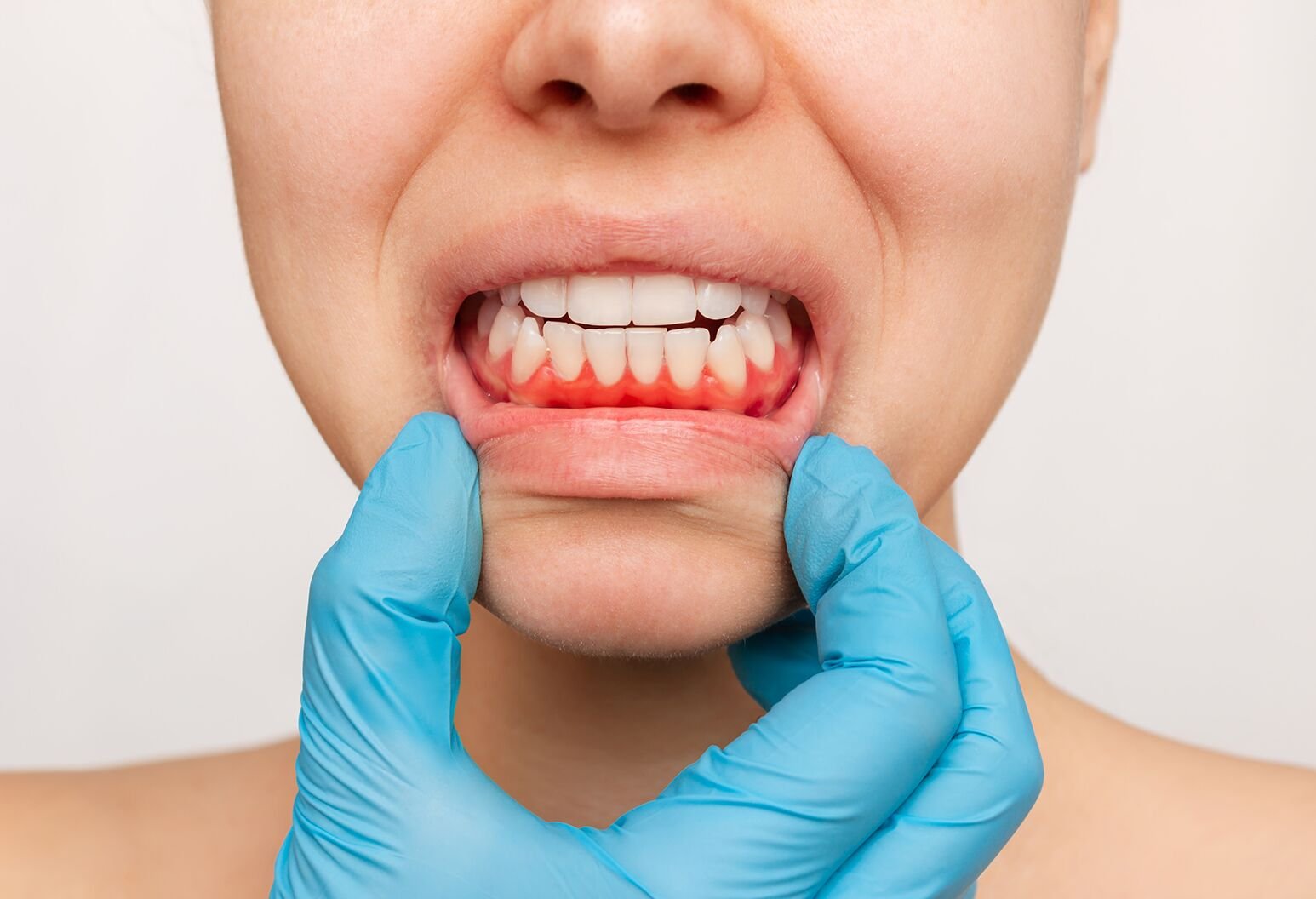
Your gums are supposed to hug your teeth, not strip away! Receding gums is when that pink fringe slowly pulls back, exposing more of the tooth (and sometimes root). The result? Teeth suddenly look longer than they did a few years back—terrible optics for a young-looking grin. It can happen so gradually you hardly notice, until one day you’re cringing at that gummy mirror selfie.
Causes can include years of brushing too hard (using a toothbrush like it’s a lawnmower), untreated gum disease, or even good old genetics. When the roots peek out, you might feel a jolt of pain drinking an icy fruit juice or a sip of beer—ouch! That sensitivity is a tip-off that something’s not right.
In Australia’s warmer climate, you may also dry out more easily—dry mouth (especially if on certain meds) reduces saliva, and saliva protects both teeth and gums. So, if your tongue feels like the Outback after a summer hike, your oral health is under siege too.
The Department of Health highlights how a dry mouth affects overall mouth health. In fact, some chronic health conditions common in older Aussies and their medications cause xerostomia (dry mouth), upping cavity risk.
To counteract, sip water, chew sugarless gum and chat to your doc about your meds. And if you spot those receding gums, chat with a dentist. Treatments like gentle gum grafts or better brushing techniques can save the day (and your smile’s frame).
4. Teeth Shifting or Crowding
Remember those adult braces ads? They’re partly trending because adult teeth move, mate. Yes, even well after your childhood, your jaw can subtly change. Over time, lower jaws can “grow” forward a hair (no idea how, biology is weird), while upper teeth can develop tiny gaps. This movement can thrust teeth out of alignment—hello little gap, bulging tooth, or that one crammed cuspid that looks like it’s trying to escape.
In orthodontic circles they call it “age-related orthodontic drift.” As we age, tiny changes in bone structure happen. Crunch away on a life’s worth of popcorn, and your teeth can rearrange. If you notice new gaps or overlapping front teeth, that’s a clue. Not only does it mess with a picture-perfect smile line, but it can give wrinkles around the mouth a helping hand—crooked teeth don’t support your lips as well.
Save your lineup: Keep an eye on any new spacing. Simple remedies might include clear aligners or braces for adults—yes, plenty of folks in Brisbane have them now. Sometimes a snug night guard (if you clench) also prevents shifting. Getting ahead of these changes means you won’t wake up wondering when your orthodontist photo became instant nostalgia.
5. Worn, Rough Enamel
Even if your teeth haven’t shortened much, look at their surface. Does your once-slick enamel now have more texture, pits or “frogs” on it? Enamel is the hardest thing in our bodies, but it’s not invincible. Micro-abrasions and acidic wear (hello, citric fruit enthusiast!) can leave teeth looking almost matte or uneven instead of glossy.
These surface changes make your teeth scatter light weirdly. Instead of a bright gleam when you smile, you might see dull patches. And if light catches a crack just right, teeth can look “foggy” or dulled. It’s like a car paint job – when it ages, you see layers wearing off, scratches and a general dullness.
Keep munching those pH-bomb snacks and skip protectors, and enamel will keep eroding. Once enamel’s gone, it doesn’t come back. But being aware is half the battle: if you notice texture changes or more yellowing (since dentin shows through more), treat it as a wake-up call.
Prevent and defend: Use a soft-bristled toothbrush with gentle technique. Rinse after acidic foods. If you must citrus-splash, try using a straw. My dentist friends swear by remineralizing toothpaste or professional fluoride treatments to slow down enamel decline. Every little bit helps keep the “new paint” vibe.
6. Dull or Dark Restorations
If you’ve had fillings or crowns a while back, look closely at them. Older silver (amalgam) fillings turn teeth grey around the edges. Likewise, cement in crowns can darken. If your dental work is getting on in years, it can age your smile like a vintage tuxedo—stylish once, now a bit dated.
Imagine having a brand-new white outfit with one sleeve faded—eyes go straight to the out-of-place patch. Same for teeth. Those dark triangles or old fillings shout “last decade’s makeover.” It’s not just vanity; outdated restorations can hide underlying problems too (like tiny cracks or leakages).
Modern upgrade: Today’s dentistry can replace old amalgams with tooth-colored composites or ceramic. Even swapping an old crown for a fresh porcelain one can shave years off your look. Chat with your dentist about options. It’s a cosmetic win and it updates any lurking wear or decay underneath. Suddenly your smile is all “fresh coat of paint.”
7. Not Showing Enough Teeth When You Smile
This one is sneaky: look at photos or mirror check your smile depth. An ageing grin sometimes hides more than it shows. You might notice your lips curling less or covering more tooth. Facial support comes from your teeth; as they wear down or you lose height (through bruxing or missing teeth), your bite collapses. Think of it like a building losing its foundation: cheeks sag a smidge, lips become thinner, and your grin looks “short.”
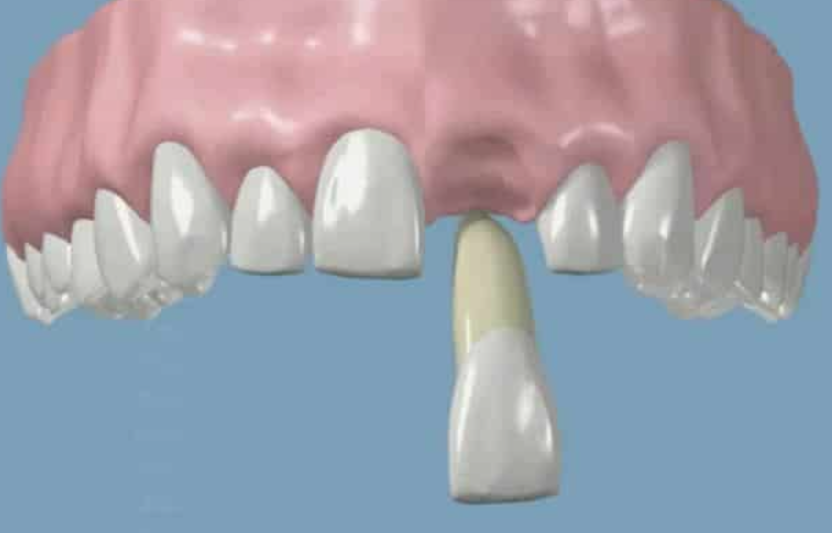
If you see more gum than tooth or vice versa, it may signal changes in bone or gum levels too. Missing a tooth (especially at the front) definitely does this, but even a worn-down bite can subtly reduce the vertical dimension. Or maybe your lips just changed shape with age (hello, fine lip lines!).
Bright idea: Keeping or restoring that tooth height helps. Cosmetic fixes like veneers or crowns can rebuild lost length. Even orthodontics or bridgework can prevent a lopsided look from missing gaps. And regular moisturizing (drink water, use a lip balm) ensures your lips aren’t betraying your age more than your teeth are. A fuller, toothier smile really does make you look younger and more vibrant.
Taking Action and Staying Young at Heart (and Smile!)
So there you have it—seven tell-tale signs that your smile might be speeding down the aging express. But don’t panic just yet! The good news is you’ve spotted the early warning lights. Now, you can take simple steps to reverse or at least slow the process. Just like you hit the gym to stay fit, show your grin some love: regular check-ups, mindful brushing, and maybe a cheeky whitening session on weekends.
Every Aussie wants to look as young as they feel, right? A bright, well-supported smile is a big part of that. If you’re worried about any of these signs—yellowing, chips, receding gums, or shifting—book in with a trusted Brisbane dentist.
They’ll guide you on fixes from a quick polish to a full makeover (think veneers or implants) if needed. And remember, even making one change (like swapping out an old filling or adding a fluoride rinse) is progress.
Take Control: Keep snacks like dried fruits and fizzy drinks as occasional treats, not everyday. Switch that hard-bristle for a soft-head brush. If stress has you grinding, find a relaxation hobby (hello, footy after work!). And floss! Yes, floss—even if Netflix is waiting. These habits are way cheaper (and easier!) than fixing a gnarly problem later.
Lastly, don’t underestimate the power of confidence. A grin that’s yours, even if it has a tiny chip or a slight tint, shines when you own it. Feel proud of the miles your teeth have travelled with you. Then, let’s keep them healthy and bright for years to come.
FAQs
Q: What age do teeth start to show aging?
A: It varies hugely by person, but generally by your mid-30s, subtle changes can appear. However, lifestyle (smoking, coffee, grinding, diet) has more impact than the calendar. The good news is, watching for the above signs early means you can address them at any age.
Q: Can yellowed teeth really be reversed?
A: To an extent, yes! Surface stains lift with whitening (even home kits help). But deep yellowing (from thinning enamel or age) might need veneers or crowns for a truly bright look. Still, regular touch-ups and maintenance can keep your teeth looking years younger.
Q: Are there non-invasive ways to deal with receding gums?
A: Absolutely. If you catch it early, simply switching to a gentler brush and flossing correctly can stop the slide. In more advanced cases, there are minimally invasive gum grafting procedures. Talk to your dentist—they’ll tailor an approach that won’t have you looking like you came out of a Root Canal movie.
Q: How often should I see the dentist to avoid premature aging signs?
A: Aim for the standard every 6-12 months. But if you have known issues (like gum disease or heavy grinding), your dentist might want to see you more often. Staying on top of cleanings and check-ups is the best insurance against any surprise ageing.
Remember, your smile is in your hands—literally. Treat it well, and it’ll treat you well in return. Go forth and grin, mates!

 27Jul
27Jul
 22Jul
22Jul
 17Jul
17Jul