Burning Tongue Syndrome: Dental Causes You Shouldn’t Ignore
Ever woken up feeling like you actually devoured a barbie before bedtime, even though it was just a toasted sandwich? That’s your tongue on fire...

You know that tiny moment when you catch your smile in the mirror and think, “Hang on… were my teeth always this short?” It sneaks up on you. One year your teeth look fine, the next they seem flatter, thinner, chipped at the edges, or a bit tired — like they’ve been working double shifts without a coffee break.
Worn down teeth can happen to anyone. You might grind your teeth at night, clench during stressful workdays, bite your nails, chew ice, sip acidic drinks, or simply deal with years of natural wear. And while it can start as a cosmetic worry, it often becomes a comfort issue too. Sensitivity, rough edges, jaw tension, and a weaker bite can all join the party.
If you live locally and want a practical way to restore strength and shape, dental crowns Red Hill treatment can help rebuild damaged teeth in a way that looks clean, natural, and quietly confident — not like a smile trying too hard.
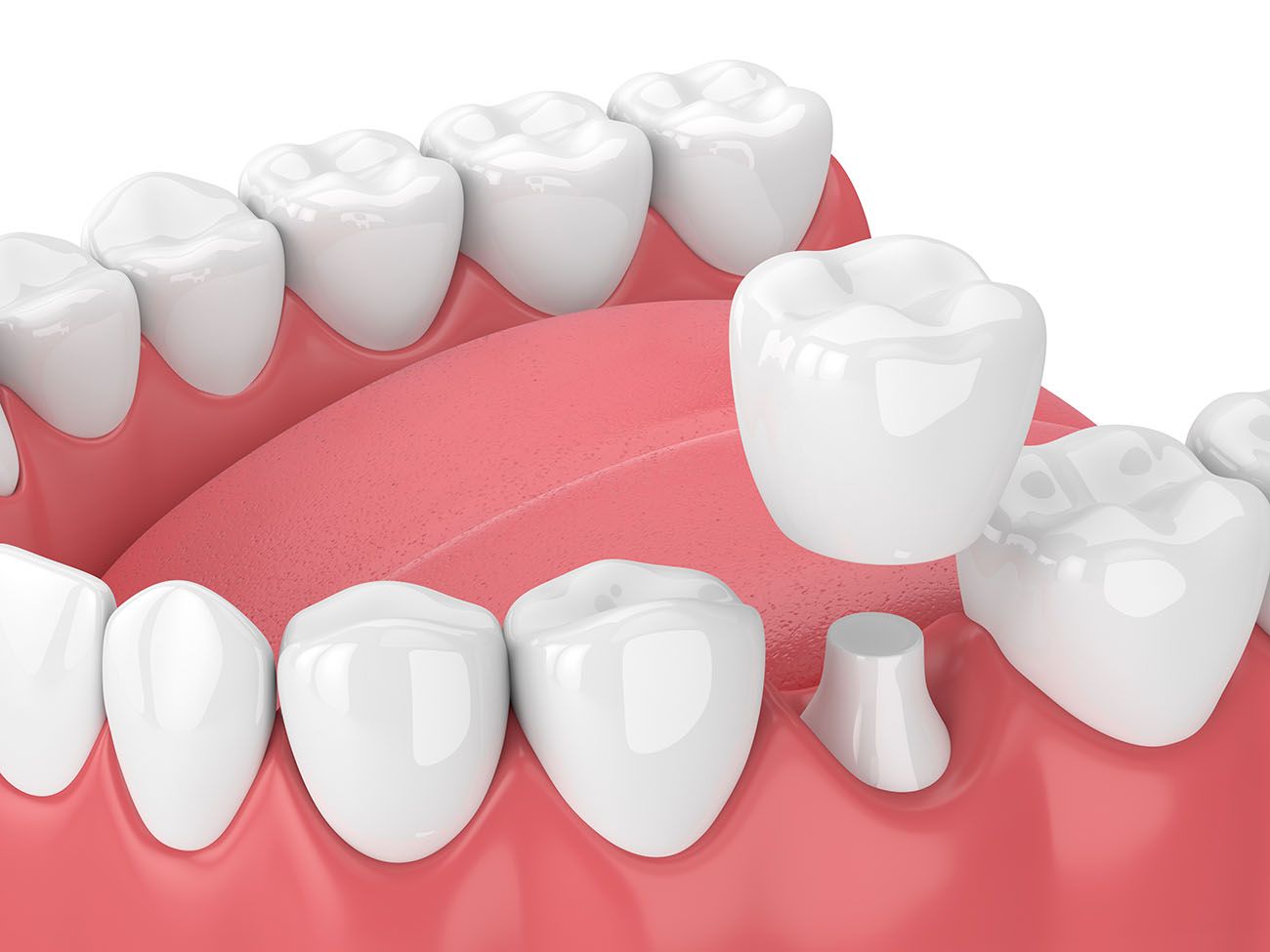
Dental Crowns are custom-made covers that sit over damaged, weak, worn, or heavily filled teeth. Think of them like a tailored jacket for your tooth. Not a bulky raincoat. Not a costume. A precise, fitted layer that protects what’s underneath while improving the way the tooth looks and works.
A crown can restore:
Dentists often recommend Dental Crowns when a filling will not provide enough support. A filling repairs a small or moderate damaged area. A crown gives the whole tooth structure a stronger outer shell.
Teeth look tough and they are — but they still deal with daily pressure. Your bite can generate serious force, especially if you grind or clench. Add coffee, wine, soft drinks, stress, and years of chewing, and your enamel can start to lose its sharp, healthy shape.
Here are common causes of worn down teeth:
| Cause | What It Does | Common Signs |
| Teeth grinding | Slowly flattens biting surfaces | Short teeth, jaw soreness, morning headaches |
| Clenching | Places heavy pressure on teeth | Cracks, sensitivity, tight jaw |
| Acid erosion | Softens enamel over time | Thin edges, yellowish tone, sensitivity |
| Old fillings | Weakens tooth structure around restorations | Cracks, chips, uneven bite |
| Nail biting or chewing objects | Stresses front teeth | Small chips, rough edges |
| Natural ageing | Gradual enamel wear | Shorter-looking teeth, dull smile |
I like to explain it this way: your teeth are like good leather shoes. Built to last, yes. But if you wear them hard every day and never polish, protect, or repair them, they’ll show the miles.
Not every worn tooth needs a crown. Sometimes your dentist may suggest bonding, a filling, a night guard, or enamel-safe lifestyle changes. But when a tooth loses too much structure, Dental Crowns can offer a stronger and longer-lasting fix.
You may need a crown if you notice:
According to the Better Health Channel’s dental treatment guide, crowns cover the whole tooth and can use porcelain, metal, or a combination of materials depending on function and appearance needs. That makes them useful when a tooth needs both protection and a better shape.
A good crown does more than “cover a tooth.” It helps bring your bite, comfort, and smile design back into balance.
When teeth wear down, your smile can look flatter or older than it really is. Dental Crowns can rebuild lost height and create a fresher, more even look.
This matters more than people think. Tooth height affects how your lips sit, how your smile frames your face, and how your bite works.
A worn tooth can act like a cracked phone screen. It might still work, but one more knock can cause a bigger problem. A crown helps hold the tooth together and reduces the risk of further breaking.
If worn teeth throw your bite off, your jaw muscles may work harder than they should. That can lead to tension, headaches, and tooth pain. Dental Crowns can help rebuild a more stable bite when your dentist plans them carefully.
Modern crowns can look impressively natural. We’re not talking about those old-school, too-white, piano-key teeth. Today’s porcelain and ceramic Dental Crowns can match the shade, shape, and texture of your natural teeth.
A great crown should not shout, “I’m dental work!” It should simply make people think, “You look well.”
Insert close-up image of natural-looking ceramic dental crowns beside a shade guide here.
Different crowns suit different teeth, budgets, and goals. Your front teeth need beauty and light reflection. Your back teeth need strength. Sometimes you need both.
| Crown Type | Best For | Main Benefit | Things to Consider |
| Porcelain crowns | Front teeth and visible smile areas | Natural appearance | May not suit every heavy grinding case |
| Ceramic crowns | Front or back teeth | Strong and tooth-coloured | Requires careful bite planning |
| Zirconia crowns | Back teeth and high-pressure bites | Very strong | Can look less translucent than porcelain |
| Porcelain-fused-to-metal crowns | Strength and appearance | Durable support | May show a dark line near gums over time |
| Gold or metal crowns | Back molars | Excellent durability | Not tooth-coloured |
For many young professionals, ceramic or zirconia Dental Crowns offer a smart balance: strong enough for daily life, polished enough for work meetings, weddings, dinners, and those “quick” selfies that somehow take 14 attempts.
The process usually feels more straightforward than people expect. No dramatic movie scene. No medieval tools. Just careful planning, shaping, scanning or impressions, and fitting.
Your dentist checks the tooth, your bite, your gums, and sometimes takes X-rays. This helps them see whether Dental Crowns suit your situation or whether another option may work better.
Your dentist gently reshapes the tooth so the crown can sit securely. If the tooth has decay or old filling material, they clean and rebuild the area first.
The dental team records the shape of your tooth and bite. Many clinics now use digital scans, which feel much easier than old impression trays.
You may receive a temporary crown while the final one gets made. Treat it kindly. Don’t test it with sticky lollies like it owes you money.
Your dentist checks the colour, shape, bite, and comfort before bonding the crown in place. A well-fitted crown should feel natural after a short settling-in period.
Dental Crowns work beautifully in the right case, but they’re not the only option. Here’s how they compare with other common treatments for worn teeth.
| Treatment | Good For | Strength | Appearance | Best When |
| Dental bonding | Small chips and minor wear | Moderate | Good | Damage is light |
| Veneers | Front surface cosmetic changes | Moderate | Excellent | Tooth structure is mostly healthy |
| Fillings | Small to medium cavities | Good | Good | Tooth still has enough strength |
| Dental Crowns | Heavy wear, cracks, weak teeth | High | Very good to excellent | Tooth needs full coverage |
| Night guard | Grinding protection | Preventive | Not cosmetic | You grind or clench |
If your tooth only has a tiny chip, bonding might do the job. If your tooth has lost serious structure, Dental Crowns often provide better support.
Yes, they can look very natural when your dentist plans the size, shade, texture, and gum-line fit properly.
Natural teeth are not flat white tiles. They have soft translucency, tiny surface details, and shade variations. A quality crown copies those details. That’s where skill matters.
For front teeth, your dentist may focus on:
The best smile work does not look “done.” It looks healthy, rested, and expensive in that quiet, understated way.
Dental Crowns can last many years with good care, but they do not run on magic. Your daily habits matter.
You can help your crown last longer by:
The crown itself cannot decay, but the natural tooth underneath still can. That’s why cleaning around the gumline matters. Think of it like owning a nice watch. The case may look sleek, but you still need to look after the moving parts.
Most people handle Dental Crowns comfortably with local anaesthetic. You should not feel sharp pain during the procedure. You may feel pressure, water spray, vibration, and some mild tenderness afterward.
Some sensitivity can happen for a few days, especially if the tooth already felt irritated before treatment. If pain lingers or your bite feels high, contact your dentist. A small adjustment can make a big difference.
Worn teeth can change how you chew, speak, smile, and even hold your jaw. At first, you may only notice a few rough edges. Later, you may feel sensitivity or jaw fatigue.
Here’s where it gets sneaky: many people adapt without realising it. You chew on the other side. You avoid cold drinks. You smile with your lips tighter. You stop eating crunchy foods. Little by little, your mouth starts making compromises.
Dental Crowns can help break that cycle by restoring strength and shape where your teeth need it most.
Crown costs can vary because every mouth tells a different story. A straightforward crown on a healthy tooth may cost less than a crown that needs extra build-up, gum treatment, or root canal care first.
Common cost factors include:
| Factor | Why It Matters |
| Crown material | Zirconia, ceramic, porcelain, and metal options differ in cost |
| Tooth location | Front teeth often need more aesthetic detail |
| Tooth condition | Cracks, decay, and old fillings may need extra work |
| Bite issues | Grinding or uneven bite may require careful planning |
| Lab quality | Custom shade and design can influence the result |
| Additional care | X-rays, core build-ups, or night guards may add cost |
Ask your dentist for a clear treatment plan before starting. You deserve to know what you’re paying for, why it matters, and what options suit your budget.
You may suit Dental Crowns if your teeth feel weak, worn, cracked, heavily filled, or sensitive. You may also suit them if you want to rebuild your smile without choosing a removable option.
However, your dentist needs to check your gums, tooth roots, bite, and overall oral health first. If you grind heavily, they may also recommend a night guard after treatment. That’s not an upsell; it’s protection. You wouldn’t buy designer shoes and then walk through wet concrete for fun.
Once your crown settles in, treat it like a natural tooth with VIP status.
A simple routine works best:
Worn down teeth do not mean your smile has reached its final chapter. With the right plan, Dental Crowns can rebuild tooth shape, restore bite strength, reduce discomfort, and bring back that easy, confident smile you forgot you had.
If your teeth look shorter, feel sensitive, or show cracks and chips, don’t wait for the problem to become bigger. Book a dental check-up, ask about your options, and get a clear plan that suits your smile, lifestyle, and budget.
If worn down teeth have started affecting your confidence or comfort, speak with a local Red Hill dentist about Dental Crowns and take the first step towards a stronger, healthier-looking smile.
Dental Crowns cover and protect damaged, worn, cracked, or heavily filled teeth. They can also improve tooth shape, restore bite strength, and create a more natural-looking smile.
Yes. Dental Crowns can rebuild worn down teeth by restoring lost height, shape, and strength. They work especially well when wear has weakened the tooth or changed your bite.
A filling may suit small or moderate damage. A crown may work better when the tooth has lost too much structure, has cracks, or needs full coverage for support.
They do not have to. Modern ceramic and porcelain crowns can match your natural teeth very closely. A good crown blends with your smile rather than standing out.
Yes, once your final crown settles, you should eat comfortably. Your dentist may suggest avoiding very hard or sticky foods, especially if you grind or clench your teeth.
No complicated routine needed. Brush, floss, and attend regular dental visits. Pay close attention to the crown edge near the gumline.
Dental Crowns can repair teeth damaged by grinding, but they do not stop grinding itself. Your dentist may recommend a custom night guard to protect your crowns and natural teeth.
Many crowns take two visits: one for preparation and scanning or impressions, and one for fitting. Some clinics may offer same-day options depending on their technology.
Yes. Dentists often use tooth-coloured ceramic or porcelain crowns for front teeth because they can create a natural, polished appearance.
Worn teeth can become more sensitive, weaker, shorter, and more prone to cracks. Your bite may also change, which can place extra stress on your jaw and other teeth
 27Jul
27Jul
 24Jul
24Jul
 22Jul
22Jul
Nearly invisible, removable aligners, 3D-scanned and planned in-house by our Paddington dentist. Book a free consult and we'll tell you if Spark suits your teeth and give you an exact quote.
Simple cases only. Final price depends on treatment complexity; clinical assessment required.