Do Dentists Have Emergency Appointments? Essential Emergency Dentistry Paddington Guide 2026
Yes, many dentists offer emergency appointments for problems that need prompt attention, such as severe tooth pain, swelling, dental injuries, broken teeth or uncontrolled bleeding. If you need Emergency Dentistry Paddington, contacting a dental clinic as soon as symptoms appear can help reduce pain and lower the risk of the problem becoming more serious.
Dental emergencies do not always happen at convenient times. You might wake with severe toothache, damage a tooth while eating or experience swelling that develops quickly. Knowing which problems require urgent dental care can help you decide what to do next.
Do Dentists Offer Emergency Appointments?
Many dental practices keep appointment times available for urgent cases, although availability varies between clinics and days. When you contact a dentist, explain your symptoms clearly so the team can assess how quickly you should be seen.
An emergency appointment usually focuses on identifying the cause of the problem, controlling pain and preventing further damage. Depending on the diagnosis, treatment may be completed during the appointment or additional treatment may be arranged.
For example, a dentist might provide temporary treatment for a damaged tooth before scheduling a longer restorative procedure. In other cases, such as a straightforward lost filling or dental infection, treatment may be possible during the initial visit.
When Should You Seek Emergency Dentistry Paddington?
You should seek Emergency Dentistry Paddington when dental symptoms are severe, worsening quickly or affecting your ability to eat, sleep or carry out normal activities.
Common reasons for requesting an urgent dental appointment include:
- Severe or persistent toothache
- Facial, gum or jaw swelling
- A knocked-out adult tooth
- A badly cracked or broken tooth
- Uncontrolled bleeding from the mouth
- Dental trauma after a fall, accident or sporting injury
- A painful dental abscess
- A lost filling or crown causing significant pain
- Signs of infection such as swelling, pus or a bad taste
Not every dental problem requires immediate treatment. A small chip without pain, mild sensitivity or a loose crown that remains comfortable may sometimes wait for a normal appointment. You should still contact your dentist for advice rather than leaving the problem untreated for an extended period.
Severe Toothache and Dental Pain
Toothache is one of the most common reasons people seek urgent dental treatment. Pain can develop because of tooth decay, a cracked tooth, an infected dental pulp, gum problems or pressure caused by an abscess.
Persistent pain should not simply be masked with pain relief for several days. Medication may temporarily reduce discomfort, but it does not treat the underlying dental problem.
Until you can see a dentist, gently rinse your mouth with warm salty water and keep the area clean. Avoid placing aspirin or other medication directly against the gum or tooth, as this can irritate soft tissues.
Swelling and Dental Infections
Swelling around a tooth or gum may indicate an infection. Dental infections can sometimes spread beyond the affected tooth, which is why increasing facial swelling requires prompt assessment.
A dentist may examine the tooth, surrounding gums and jaw and may take an X-ray if required. Treatment depends on the source of the infection and can include drainage, root canal treatment or tooth extraction.
Antibiotics are not required for every toothache. Australian dental prescribing guidance generally supports treating the source of dental infections rather than relying on antibiotics alone when local dental treatment can resolve the problem.
If swelling is affecting your breathing or swallowing, or you experience rapidly increasing facial or neck swelling, seek urgent medical attention rather than waiting for a routine dental appointment.
What Should You Do If a Tooth Gets Knocked Out?
A knocked-out permanent adult tooth is a genuine dental emergency. Acting quickly may improve the chance of saving the tooth.
If an adult tooth is completely knocked out:
- Pick it up by the crown, not the root.
- If dirty, gently rinse it without scrubbing the root.
- If possible, carefully place it back into its socket.
- If reinsertion is not possible, keep it moist in milk.
- Contact a dentist immediately.
Do not attempt to reinsert a knocked-out baby tooth because doing so may damage the developing permanent tooth underneath.
For residents around Paddington, quick access to Emergency Dentistry Paddington can be particularly useful after sporting injuries, falls or unexpected dental trauma.
What Happens During an Emergency Dental Appointment?
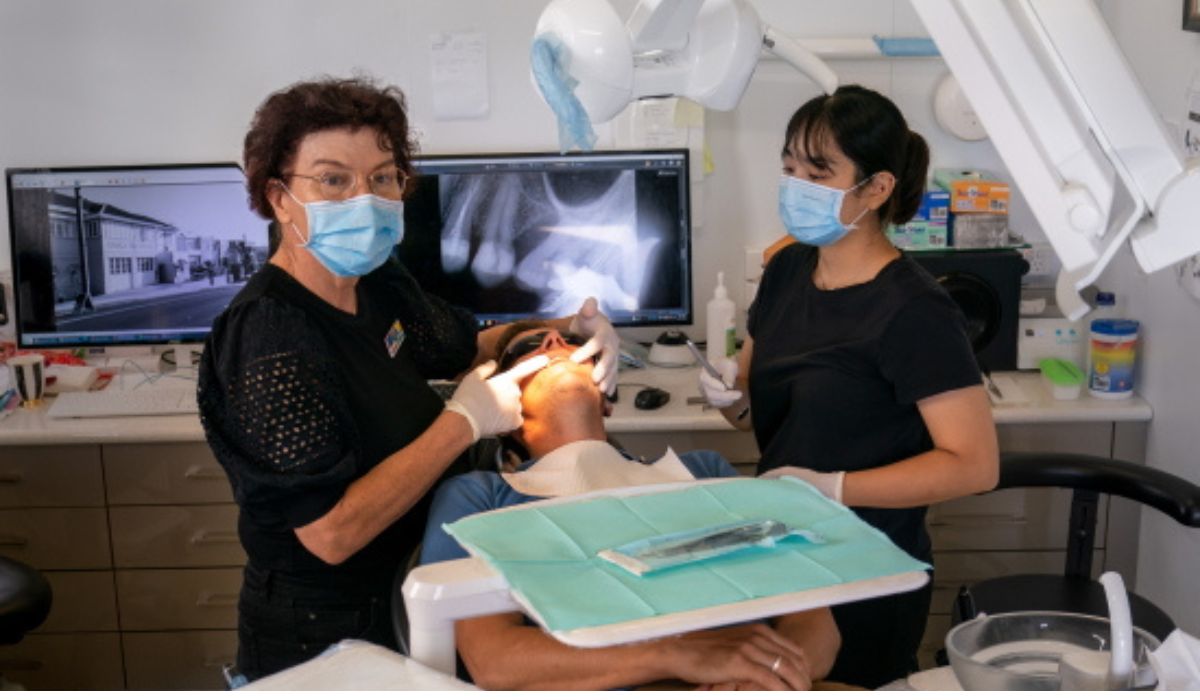
Your dentist will first ask what happened, when your symptoms started and how severe they are. They will then examine your teeth, gums and surrounding tissues.
Dental X-rays may be needed to check for decay, infection, fractures or problems below the gumline.
The immediate aim is usually to relieve pain and stabilise the problem. Treatment might include:
- Repairing a chipped or broken tooth
- Replacing or temporarily sealing a lost filling
- Treating an infected tooth
- Reattaching or replacing a crown
- Draining an abscess
- Beginning root canal treatment
- Removing a tooth when it cannot be saved
Your dentist should explain the available treatment options before proceeding.
Can You Prevent Dental Emergencies?
Not every dental emergency can be prevented, but regular dental care can reduce the likelihood of some urgent problems.
Brush twice daily with fluoride toothpaste, clean between your teeth and attend dental examinations at intervals recommended by your dentist. Dental check-ups can identify decay, cracked restorations and gum problems before they become painful.
If you play contact sports, consider wearing a properly fitted mouthguard. Avoid biting hard objects such as ice, pens and hard food items with your front teeth, particularly if you already have large fillings, crowns or weakened teeth.
When to Call a Professional
Contact a dentist promptly if your pain is severe, symptoms are getting worse, a tooth has been damaged or you notice swelling around your mouth or face.
Herman Advanced Dental can assess urgent dental concerns and determine the most suitable treatment based on the cause of your symptoms. If you require Emergency Dentistry Paddington, contact the practice and describe your symptoms so the dental team can advise you on the next appropriate step.
For breathing difficulties, swallowing problems, significant facial or neck swelling, heavy uncontrolled bleeding or serious facial trauma, seek emergency medical care immediately.
Conclusion
Emergency dental appointments are designed for problems that should not wait for a standard check-up. Severe toothache, infection, facial swelling, broken teeth and dental injuries are all reasons to contact a dentist promptly.
Taking action early can help control discomfort and may prevent additional damage. If you are experiencing an urgent dental problem in Paddington, contact Herman Advanced Dental to arrange an assessment and find out what treatment may be required.
Frequently Asked Questions
Can I get a same-day emergency dental appointment?
Some dentists offer same-day appointments when availability allows. Call as early as possible and clearly explain your symptoms so the practice can determine the urgency of your situation.
Is severe toothache considered a dental emergency?
Yes. Severe, persistent or worsening toothache should be assessed promptly because it can indicate decay, infection, a cracked tooth or another dental problem requiring treatment.
Should I go to a hospital for a dental emergency?
Most tooth-related problems are best assessed by a dentist. Seek emergency medical care if you have difficulty breathing or swallowing, severe facial or neck swelling, uncontrolled bleeding or significant facial trauma.
What should I do while waiting for an emergency dentist?
Keep the area clean, rinse gently with warm salty water and avoid chewing on the affected side. If appropriate for you, over-the-counter pain medication can be taken according to the packet directions until you receive professional care.