How Long Do Dental Crowns Last? Essential Crowns Red Hill Guide 2026
Dental crowns can last for many years when they fit properly and receive consistent care. If you are considering Crowns Red Hill, their lifespan will depend on the crown material, your oral hygiene, your bite and habits such as teeth grinding. Regular dental checks can also help identify wear or problems before the crown fails.
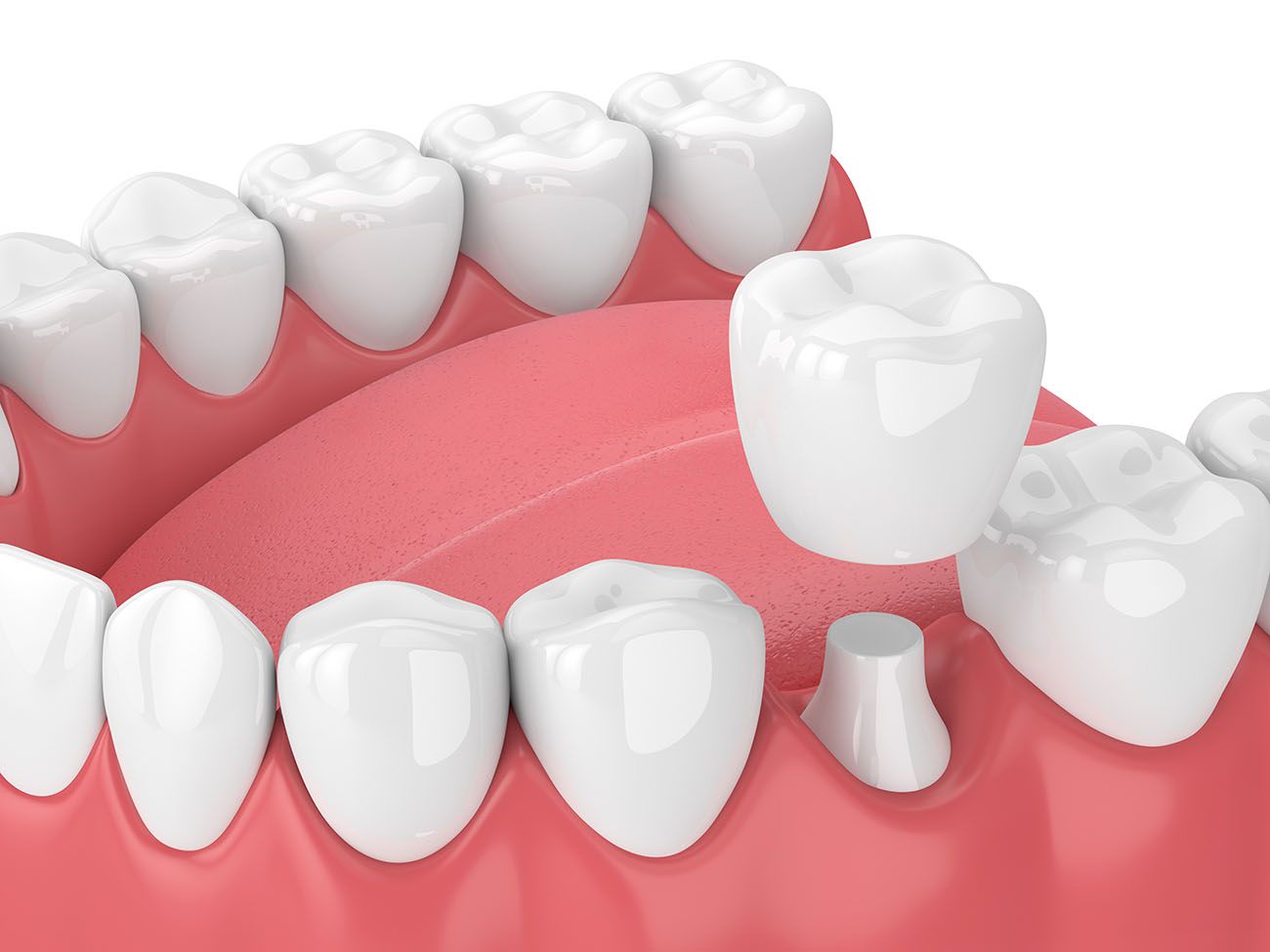
A crown is designed to cover and protect an existing tooth rather than replace the entire tooth. Dentists commonly recommend crowns for teeth that are cracked, heavily filled, badly decayed, weakened after root canal treatment or significantly worn.
How Long Can a Dental Crown Last?
There is no fixed expiry date for a dental crown. Some crowns remain functional for many years, while others need earlier repair or replacement because of damage, decay around the underlying tooth or changes in the bite.
The Australian Dental Association notes that crowns and other dental restorations have a finite lifespan and may eventually need replacement. How long an individual crown lasts depends on the condition of the tooth, the restoration and how it is maintained.
Your dentist will usually assess the crown during routine appointments rather than replacing it simply because it has reached a certain age.
What Affects the Lifespan of Crowns Red Hill?
Several everyday factors can influence how long Crowns Red Hill remain comfortable and functional.
1. Crown Material
Crowns can be made from materials such as porcelain, zirconia, gold alloy or porcelain fused to metal. Each material has different properties relating to appearance, strength and wear.
The most suitable option depends on where the tooth sits in your mouth, how heavily you bite on it and the appearance you want. A back tooth that handles substantial chewing pressure may have different requirements from a visible front tooth.
2. Your Oral Hygiene
A dental crown itself cannot develop tooth decay, but the natural tooth underneath it still can. Plaque can build up around the crown margin, particularly near the gumline.
Brush twice daily with fluoride toothpaste and clean between your teeth with floss or another interdental cleaning method recommended by your dentist. Paying attention to the edge of the crown can help protect both the tooth and surrounding gum.
3. Teeth Grinding and Clenching
Grinding or clenching your teeth can place repeated pressure on crowns. This habit, known as bruxism, may contribute to cracks, chips or accelerated wear.
You may grind your teeth while sleeping without realising it. Signs can include morning jaw discomfort, worn teeth, headaches or damage to existing restorations. Your dentist can assess your bite and determine whether additional protection may be suitable.
4. What You Bite
Crowns are made for normal eating, but they are not indestructible. Regularly biting extremely hard foods or objects can damage both crowns and natural teeth.
Avoid using your teeth to open packaging, crack hard objects or bite pens. Small changes like these can reduce unnecessary pressure on your dental work.
When Might You Need Crowns Red Hill?
A dentist may recommend Crowns Red Hill when a tooth needs more support than a standard filling can provide.
Common reasons include:
- a cracked or fractured tooth
- significant tooth decay
- a tooth weakened by a large existing filling
- a tooth that has undergone root canal treatment
- substantial wear or structural damage
- cosmetic problems involving the shape, colour or appearance of a tooth
Crowns can restore the shape and function of a damaged tooth while protecting the remaining natural structure. However, your dentist should examine the tooth first because a crown is not always the only treatment option.
What Happens When You Get a Dental Crown?
Dental crown treatment generally takes one or two appointments, although some types of crowns may be produced and fitted on the same day.
Your dentist will normally prepare the tooth so there is enough room for the restoration. They then take an impression or digital scan to create a crown shaped for your tooth and bite. A local anaesthetic may be used to reduce discomfort during preparation.
When the final crown is ready, your dentist checks its fit, shape and bite before securing it in place. The goal is for the restoration to feel comfortable during normal chewing.
Signs Your Dental Crown Needs Attention
A crown should not be ignored simply because it still appears to be in place. Problems can develop underneath or around the restoration.
Arrange a dental assessment if you notice:
- pain when biting or chewing
- a crown that feels loose or moves
- a visible crack or chip
- persistent sensitivity
- swollen or sore gums around the crown
- a change in how your teeth meet
- an unpleasant taste or ongoing discomfort near the tooth
Healthdirect notes that crown complications can include loosening, cracking, breaking, decay beneath the restoration, sore gums and discomfort caused by an improper fit.
How to Help Your Crown Last Longer
Good maintenance is relatively straightforward. Treat your crowned tooth much like your natural teeth and avoid assuming that the restoration no longer requires regular care.
Brush thoroughly with fluoride toothpaste, clean between your teeth each day and attend dental examinations at intervals recommended for your individual oral health.
You should also tell your dentist if your bite starts to feel different. A crown that receives excessive biting force may wear or become uncomfortable over time.
Patients considering Crowns Red Hill should also discuss any history of grinding, cracked teeth or damaged restorations before treatment. This gives your dentist more information when choosing an appropriate crown material and treatment approach.
Can a Crowned Tooth Still Develop Decay?
Yes. A crown covers the visible part of the prepared tooth, but natural tooth structure remains underneath.
Decay can develop near the crown margin if plaque builds up around the area. Gum changes can also expose parts of the tooth that were previously protected.
Healthdirect recommends maintaining good oral hygiene because the underlying tooth can still decay even though the crown itself cannot.
Regular examinations can help your dentist inspect the crown margin and surrounding tooth before a minor problem becomes more difficult to treat.
What Should You Do If a Crown Breaks or Comes Loose?
Do not attempt to permanently glue a loose crown back onto your tooth yourself. Keep the area clean and contact your dentist so they can examine the tooth and restoration.
If the tooth becomes painful, avoid very hot, cold or hard foods until it has been assessed. A dentist can determine whether the crown can be repaired or recemented, or whether a replacement is required.
If you develop facial swelling, fever, difficulty swallowing or significant dental pain, seek prompt professional advice. Healthdirect recommends urgent medical care if dental swelling causes difficulty breathing, speaking or swelling around the eye or neck.
When to Call a Professional
Book a dental assessment if your crown feels loose, hurts when you bite, has chipped or no longer feels comfortable. You should also arrange an appointment if you have a cracked or heavily damaged tooth and want to know whether a crown is suitable.
Herman Advanced Dental can assess the condition of your tooth, existing restorations and bite before discussing appropriate treatment. If you are considering Crowns Red Hill, an examination can help determine whether a crown, filling or another restorative option best suits the tooth.
Seek urgent dental care for significant pain, swelling or dental trauma rather than waiting for symptoms to settle on their own. Healthdirect advises seeing a dentist promptly for persistent toothache and after cracked, chipped or displaced teeth caused by injury.
Conclusion
Dental crowns can provide years of protection for damaged or weakened teeth, but their lifespan varies from person to person. Crown material, oral hygiene, grinding habits, biting forces and the health of the underlying tooth can all affect how long the restoration remains functional.
If you are considering Crowns Red Hill or you have an older crown that feels different, Herman Advanced Dental can assess the tooth and discuss whether monitoring, repair or replacement is appropriate. Early assessment is particularly useful when you notice pain, movement, cracking or changes around the gumline.
Frequently Asked Questions
How long should a dental crown normally last?
A crown can remain functional for many years when it fits well and receives appropriate care. There is no guaranteed lifespan because wear, oral hygiene, bite forces and the condition of the underlying tooth vary between patients.
Can a dental crown last permanently?
Dental crowns are not considered permanent for life. The Australian Dental Association notes that dental restorations such as crowns have a finite lifespan and may eventually require replacement.
Does a tooth under a crown still need brushing and flossing?
Yes. The crown cannot decay, but the natural tooth underneath it can. Brush with fluoride toothpaste and clean carefully around the crown margin and between your teeth.
Should I see a dentist if my crown hurts when I bite?
Yes. Pain when biting can indicate a problem with the crown, tooth or surrounding tissues. Arrange a dental assessment, especially if the pain persists, worsens or occurs with swelling.