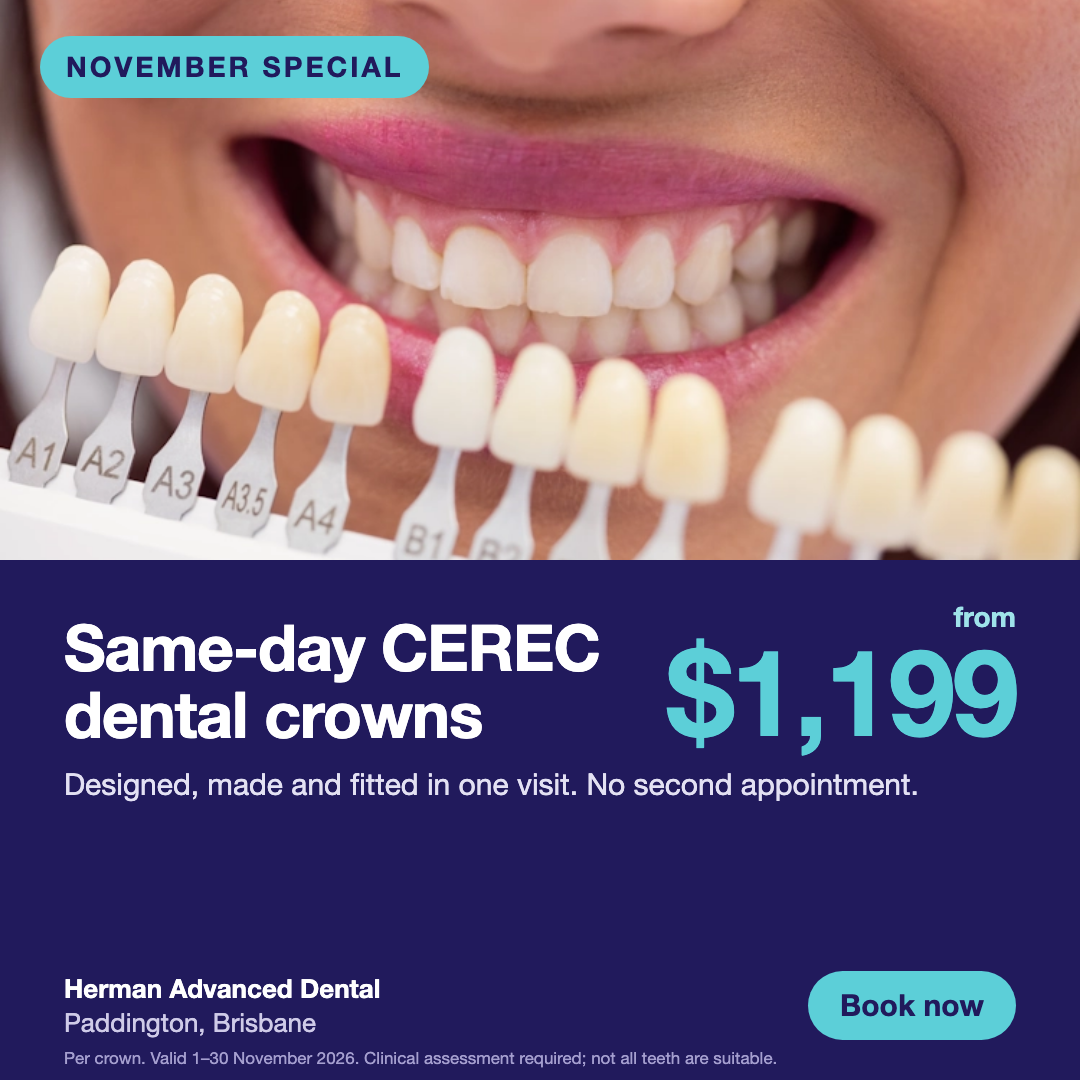
Dental crowns usually last around 7 to 10 years, although many last longer when the tooth is healthy, the crown fits well and oral hygiene is consistent. For people considering crowns Paddington dentists provide, lifespan depends on crown material, bite pressure, gum health, decay risk and daily habits.
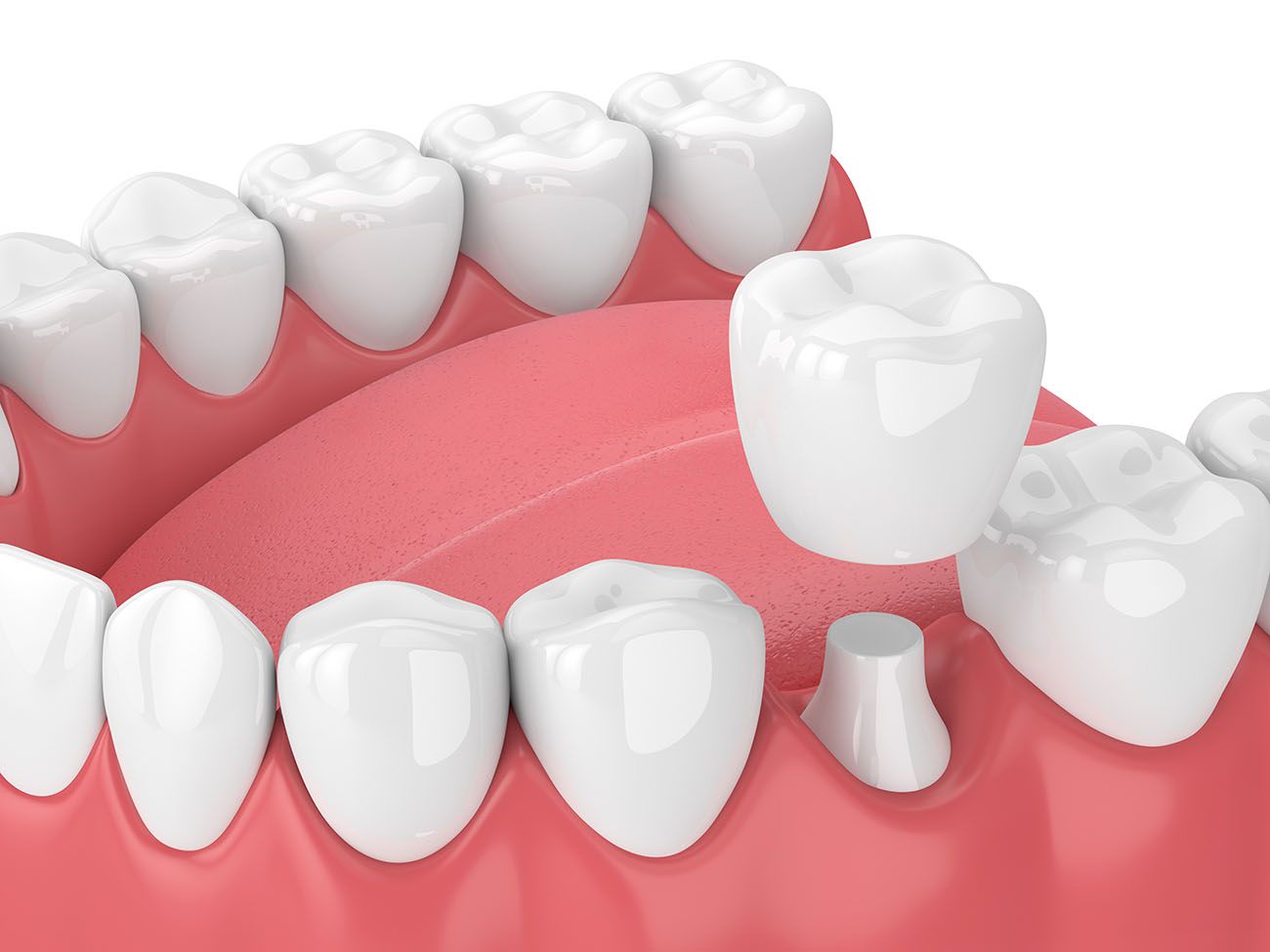
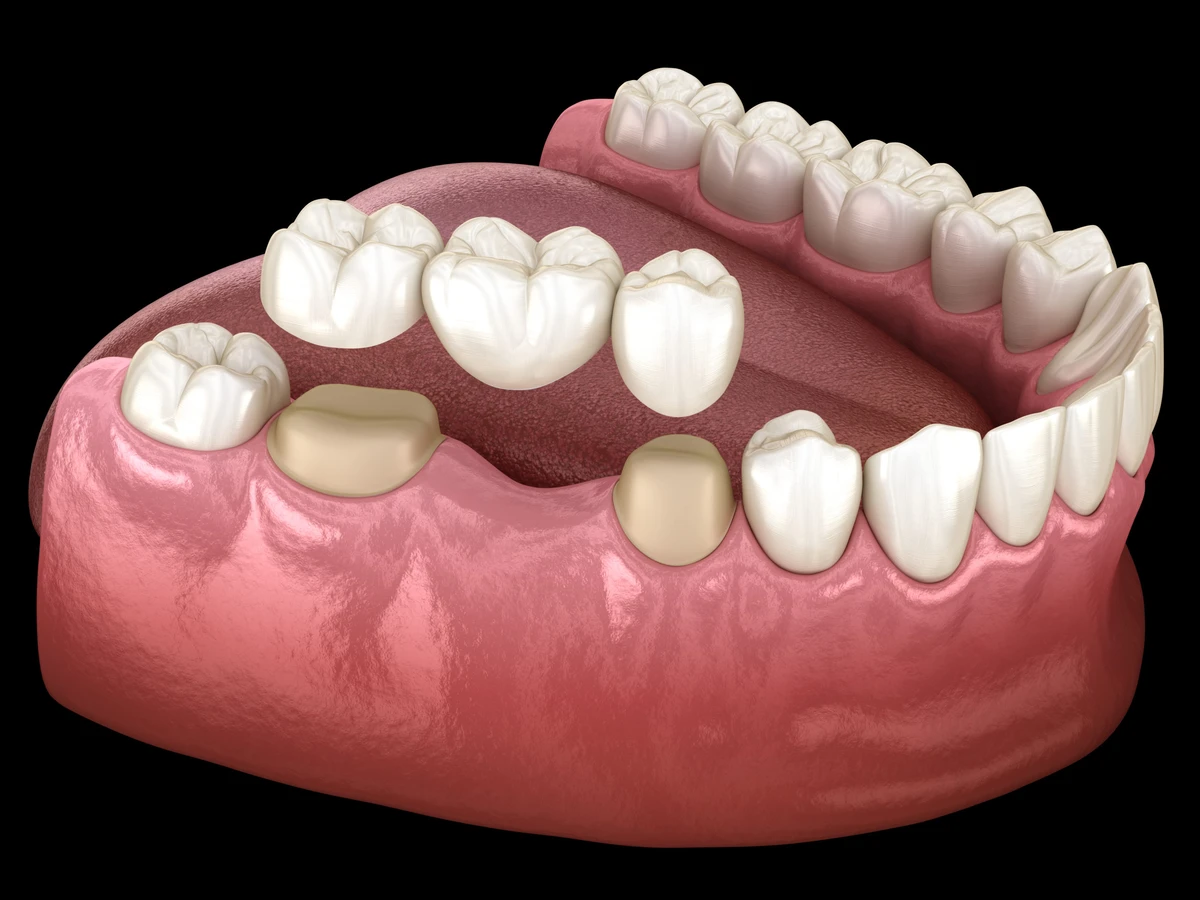
A crown is a custom-made cap placed over a damaged or weakened tooth. It can restore shape, strength and function while protecting the remaining tooth. The Australian Dental Association reports a success rate of at least 90% at 10 years for conventional crowns and gives 7 to 10 years as a practical expected lifespan.
How Long Do Crowns Paddington Dentists Provide Usually Last?
For most patients, crowns Paddington treatment can remain functional for many years, but no crown should be treated as permanent. Some need replacement earlier because of decay, cracking, gum changes or heavy grinding, while others continue working well beyond a decade.
The Australian Dental Association explains that crowns may be used for badly broken, cracked or decayed teeth and are commonly recommended after root canal treatment, particularly for premolars and molars. Healthdirect also notes that a dental crown can last for many years when properly cared for.
What Affects the Lifespan of a Dental Crown?
Several factors influence how long crowns Paddington patients can expect to keep before repair or replacement becomes necessary.
- Crown material: Zirconia, porcelain and metal-based crowns have different wear characteristics.
- Bite forces: Clenching or grinding can place repeated stress on the crown and tooth.
- Oral hygiene: Plaque around the margin can contribute to decay and gum inflammation.
- Diet: Chewing ice or very hard foods can increase the risk of chipping.
- Tooth condition: A heavily weakened tooth may have a different long-term outlook.
- Crown fit: Accurate preparation and bite adjustment matter.
People with crowns Paddington should remember that the crown itself cannot decay, but the natural tooth underneath still can. Cleaning around the gumline remains essential.
Does the Crown Material Make a Difference?
Yes. The material selected for crowns Paddington treatment can affect appearance, wear and durability, but there is no single best option for every tooth.
Zirconia is commonly chosen for strength and a tooth-coloured appearance. Porcelain can suit visible areas, while metal-based crowns may be appropriate where strength is a priority. The Australian Dental Association lists porcelain, zirconia, gold alloy and porcelain-metal combinations among materials used for crowns.
How Can You Help Crowns Last Longer?
Good daily care can extend the useful life of crowns Paddington patients already have.
- Brush twice daily with fluoride toothpaste.
- Clean between teeth every day.
- Avoid chewing ice, pens and other hard objects.
- Tell your dentist if you grind or clench your teeth.
- Attend regular dental examinations.
Healthdirect recommends brushing teeth and gums twice a day for two minutes, flossing once a day and seeing a dental practitioner every 6 to 12 months.
If you have crowns Paddington and notice food trapping around one crown, mention it at your next appointment. A change in the contact between teeth may allow plaque to collect or may signal wear or movement.
Signs a Crown May Need Attention
Contact a dentist if your crowns Paddington restoration feels different, especially if you notice:
- pain when biting
- new sensitivity to hot or cold
- a loose or moving crown
- a visible crack or chip
- swelling around the gum
- a bad taste near the crown
- a visible change around the crown margin
Healthdirect lists complications such as crowns falling off, breaking or causing pain if they do not fit properly.
Can a Crown Last More Than 10 Years?
Yes. Some crowns Paddington patients receive may remain serviceable for well over 10 years.
A crown that is 10 years old does not automatically need replacement. If it remains well sealed, comfortable and free from decay or structural problems, your dentist may continue to monitor it.
At Herman Advanced Dental, an examination can help determine whether an older crown still protects the tooth properly or whether changes around the margin or bite require treatment.
What Happens If a Crown Comes Off?
If one of your crowns Paddington restorations comes off, keep the crown if possible and arrange a dental appointment. Do not use household adhesive to glue it back.
Avoid chewing hard foods on that side and keep the area clean until a dentist checks it. Healthdirect advises seeing a dentist if a crown falls off, breaks or causes pain.
When to Call a Professional
Arrange an assessment if crowns Paddington restorations become loose, painful, chipped or difficult to clean around.
Herman Advanced Dental can assess the crown, supporting tooth and bite before recommending the next step. If you are concerned about an older crown or are considering crowns Paddington treatment, book a dental consultation for advice based on your tooth.
For independent information about dental crowns, you can also read the Australian Dental Association’s patient guidance. Australian Dental Association crown information
Conclusion
The usual lifespan of crowns Paddington dentists provide is often around 7 to 10 years, but many last longer with good oral hygiene, suitable material selection and regular dental care. The condition of the underlying tooth, your bite and habits such as grinding can affect longevity.
Do not replace a crown simply because it has reached a certain age. If it remains comfortable and well sealed, it may still be serviceable. For a personalised assessment, contact Herman Advanced Dental in Paddington.
For general Australian guidance on crown procedures and oral care, Healthdirect provides further information. Healthdirect dental crown guide
FAQs
How long should a dental crown last?
A dental crown commonly lasts around 7 to 10 years, although some last longer. The tooth condition, crown material, bite forces and oral hygiene all affect longevity.
Do crowns need to be replaced every 10 years?
No. Crowns Paddington patients have do not automatically need replacement at 10 years. A dentist should assess the fit, seal, tooth condition and bite first.
Can decay form under a crown?
Yes. The crown material does not decay, but the natural tooth beneath and around the margin can still develop decay. Daily cleaning and regular dental checks help reduce this risk.
What should I do if my crown feels loose?
Avoid chewing on the affected side and arrange a dental appointment. A dentist can check whether the crown can be recemented or needs further treatment.
 03Nov
 03Nov
 27Oct