Burning Tongue Syndrome: Dental Causes You Shouldn’t Ignore
Ever woken up feeling like you actually devoured a barbie before bedtime, even though it was just a toasted sandwich? That’s your tongue on fire...

Imagine waking up to a sharp throbbing pain in your tooth – not exactly the wake-up call you wanted. You’re not alone. In Brisbane and beyond, folks in 2026 are still facing dreaded toothaches, and many end up hearing the words “root canal.”
While the idea might sound scary, modern dentistry has made root canals a lot more comfortable and efficient. And since we’re all about looking ahead, let’s dive into what a root canal really means for you in Brisbane today – from how it works, to what it will cost you, and why it might save your smile (and your wallet) in the long run.
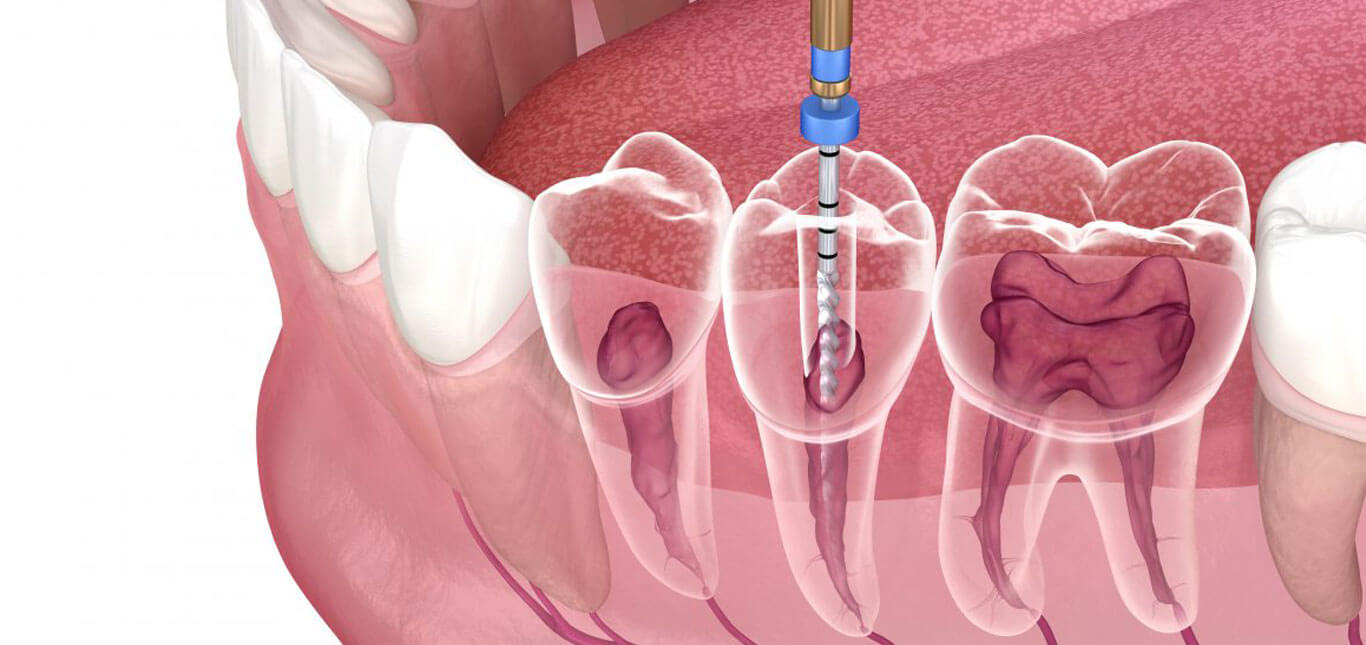
So, what exactly is a root canal? In simple terms, it’s a way to save a tooth that’s badly infected or damaged without having to yank it out. Every tooth has a soft center called the pulp, which contains nerves and blood vessels. When bacteria reach this pulp (often through a deep cavity or crack), it can get inflamed or infected, causing that pounding pain.
A root canal involves numbing the tooth, removing the sick pulp, cleaning out the canals (that’s why endodontists call themselves “canal plumbers”!), and then sealing the space. Think of it like drilling out the spoiled part of the tooth so the healthy shell can live on.
Afterward, the tooth usually gets topped with a crown to protect it. It sounds high-tech – and it is – but for you it’s really about relief: stopping the pain and keeping your natural tooth in place. If you’re ready to explore local options, check out Root Canal Treatment Brisbane for a rundown on what Brisbane dentists offer. It’s a handy resource (with no pressure!) for comparing treatment approaches in our city.
A healthy smile can be a huge confidence boost. Modern root canal treatment aims to relieve pain and preserve your natural tooth. Saving your own tooth has some big perks – we’re not just being dentist-speak.
According to Queensland Health, keeping your natural tooth means a better bite, more efficient chewing, and protecting your other teeth from extra wear. Imagine biting into your favorite Lamington or sipping that morning flat white without wincing – that’s what a successful root canal can help you do. Plus, once the pain’s gone, you won’t have to sneak around whispering “my tooth hurts” to your friends or using analogies to describe it.
Modern local anesthesia and sedation options make the procedure as comfortable as possible, so you’ll probably be surprised how normal it feels afterward. And let’s face it: no one ever regretted saving their tooth and avoiding the hassle of implants or bridges later.
Curious about the nitty-gritty? The root canal process in Brisbane today is pretty streamlined thanks to new tools and tech. First, the dentist or endodontist will take an X-ray to see exactly how far the infection has spread. Then they’ll numb your mouth – usually with local anesthesia – so you’ll feel pressure but no pain during the procedure.
Next, they place a thin rubber dam around your tooth to keep it dry and isolate it. The dentist drills a small hole in the top of the tooth to reach the pulp chamber and canals. Using tiny instruments (and sometimes a microscope or a gentle laser!), they remove all the infected or inflamed pulp and wash out the canals with antiseptic solutions.
Once it’s cleaned and dry, the canals are filled with a biocompatible material (usually a rubbery substance called gutta-percha) and sealed shut. Finally, the hole in the tooth is filled with a temporary or permanent filling.
Now, in Brisbane, many dentists offer gentle “spa-like” extras to ease anxiety. Some clinics have soothing music or ambient lighting in the treatment rooms. Others even have TVs on the ceiling so you can watch a comedy special or enjoy a virtual snorkeling scene while the dentist works. If you’re really nervous, ask about sedation options: nitrous oxide (laughing gas) or oral sedatives are common.
They’ll make you groggy or completely zonked out, but you’ll still respond to the dentist’s questions. The whole thing usually takes one to two hours per appointment, and complex cases might need a second visit for follow-up. It may sound like a lot, but when it’s done, your tooth will feel like it’s brand new – just a bit more drilled (in the best way).
Cost is a big question – we feel you. In 2026 Brisbane, the average price for a root canal procedure runs roughly $1,500 to $3,400 per tooth. That’s a pretty wide range because it depends on which tooth needs fixing. Front teeth (incisors and canines) usually cost less – roughly $900–$1,500 – since they have simpler, single roots. Premolars (the ones between canines and molars) cost a bit more, often $1,100–$2,000. Molars, the big grinders at the back, are the most expensive (often $1,500–$3,400) because they have multiple roots and canals to clean. If you need a crown after the root canal (very likely, to strengthen the tooth), that can tack on another $800–$2,000 on top, depending on the material (porcelain is pricier, metal or composite is cheaper).
| Tooth Type | Average Root Canal Cost (AUD) |
|---|---|
| Front Teeth (Incisors/Canines) | $900 – $1,500 |
| Premolars (Bicuspids) | $1,100 – $2,000 |
| Molars (Back Teeth) | $1,500 – $3,400 |
Keep in mind these are typical ranges – your personal quote may vary. Always check if your dentist uses an item-based schedule or offers set-package pricing. One tip: some practices give a discount if you book multiple treatments (say two root canals at once) or if it’s your first visit. It never hurts to ask.
Several things can push the cost up or down:
Long-term value is a factor too. Yes, $2,000 can sting now, but think of it as an investment. Replace-the-tooth options like implants or bridges are usually more expensive in the long run (often double or triple a root canal’s price!). By saving your natural tooth, you avoid those bigger bills – and you keep your natural bite and smile aesthetics intact.
Nobody likes surprises, especially on the bill, so it’s worth planning ahead. In Australia, most dental work is not covered by Medicare. In fact, the federal Healthdirect government site points out that you’ll typically cover dental costs out of pocket. That includes root canals.
However, there are some public schemes: for example, families on eligible government assistance can access the Child Dental Benefits Schedule (CDBS), which does cover standard root canal procedures for children (cap included). Queensland also offers emergency and public dental services for eligible adults (mainly pensioners or health card holders), though waitlists can be long.
If you’re a parent, check if your kid is eligible: the CDBS provides up to $1,158 over two years for basic dental work – and root canals are on that list. For everyone else, it often comes down to private insurance and savings. Many Queenslanders use superannuation or dental saving accounts in anticipation of big costs.
Remember, whatever route you take, always get a written quote up front. Ask the dentist to list the cost breakdown (consult, X-rays, each canal filling, crown, etc.). That way you won’t be caught off-guard, and you can shop around if needed. A quick online check can show that some clinics in Brisbane offer more affordable Root canal treatments by including multiple services in one package or by being a preferred provider for certain insurers.
Once your root canal is done, you’re pretty much home free, but a bit of care helps everything heal nicely. Your dentist will likely give you an analgesic or suggest over-the-counter painkillers for any soreness in the first day or two – remember, a root canal actually relieves the intense pain you had, though the tooth area might feel tender. Avoid chewing on hard foods with that tooth until it’s fully restored, especially if it only has a temporary filling.
Good oral hygiene is still crucial. Brush twice a day, floss daily, and keep up with regular dental check-ups. Often, a crown is placed over the root-canaled tooth within a few weeks; make sure you attend that appointment. Crowning not only strengthens the tooth but also greatly reduces the chance of fracture or reinfection.
How successful are we talking? Pretty high. Studies show 85-97% of root canals last a long time without issues, as long as they’re done well and the tooth is cared for. (Queensland Health notes that most treated teeth will not cause more pain if you keep them clean.) In rare cases, a treated tooth might get infected again – maybe the canal was particularly tricky or a crack developed later. If that happens, there are retreatment options or surgical fixes like an apicoectomy. But for most of us, a root-canaled tooth can last as long as your other teeth.
Root canals have come a long way from folklore nightmares. In Brisbane 2026, you can expect a relatively comfortable experience, thanks to better technology, gentle sedation, and caring dentists who want to keep you smiling. The procedure itself (clearing out the infection and sealing your tooth) happens under strong anesthesia, and afterward most people feel like they just ate something too hard, not that they had major surgery. The real win is saving your natural tooth, which usually feels completely normal once it’s healed.
Yes, costs can be significant – often a few thousand dollars once you add the crown – but compare that to extracting the tooth and later getting an implant or bridge. By saving the tooth now, you often avoid the higher bills and complications down the road. Take advantage of payment plans, insurance extras, or public programs if you can, but don’t put off treatment out of fear. The sooner you fix an infected tooth, the less likely you’ll need an emergency extract or risk spreading the infection.
If you’re in pain or just curious, call your Brisbane dentist and get a consultation. You’ll hear them say things like “root canal” – it’s not as scary as it sounds! They’ll explain if one is really needed, or if an antibiotic or filling might work first. Ultimately, a root canal is one of the best tools dentistry has to save your smile. Imagine not having to cancel your next dinner date because of a toothache – that’s the everyday benefit.
Thanks to modern anesthetics, the procedure itself shouldn’t hurt – you’ll feel pressure and vibration, but no real pain. Afterwards, your tooth was likely hurting a lot, so when that pain is gone, any soreness is usually mild and temporary. Dentists often use numbing gels and sedation (if needed) to make you comfortable. Just communicate with your dentist: if you feel anything sharp, let them know. They want you pain-free!
Plan on about 1–2 hours per visit. Some teeth need two visits if they have many canals or if the infection is stubborn. Your dentist will try to finish it in one go if possible, but they might put a temporary filling in and let the tooth settle before doing the final step and crown.
Most people can return to normal activities quickly. You might feel a bit numb for a few hours, and sometimes dentists schedule root canals on a Friday so you rest over the weekend. If you’re on strong sedation (like IV sedation), you’ll need someone to drive you home and take it easy for the rest of the day. Otherwise, you can usually work the next day.
Generally, yes. Saving your natural tooth is ideal. An extracted tooth often leads to shifting of the nearby teeth, bone loss, or having to pay for an implant or bridge to replace it. Those replacement options are usually more time-consuming and expensive. A root canal removes the infection but keeps the tooth anchored in your jaw. Think of it as a long-term investment in your oral health.
All procedures have some risk. For root canals, there’s a small chance the tooth could get re-infected if bacteria weren’t fully eliminated. Also, a tooth without its nerve can become brittle, so it does need a strong crown on top. In rare cases, complications like a tiny crack or missed canal can cause discomfort later. But overall, it’s a very common and successful procedure. Your dentist will let you know if your tooth is a particularly tough case.
Brush and floss regularly! Keep up with dental check-ups. Avoid ignoring deep cavities or cracks in teeth. Wear a mouthguard if you grind your teeth or play sports. Basically, treat your teeth as the valuable things they are – a little prevention now can save a lot of hassle (and money) down the road.
 27Jul
27Jul
 24Jul
24Jul
 22Jul
22Jul