Burning Tongue Syndrome: Dental Causes You Shouldn’t Ignore
Ever woken up feeling like you actually devoured a barbie before bedtime, even though it was just a toasted sandwich? That’s your tongue on fire...

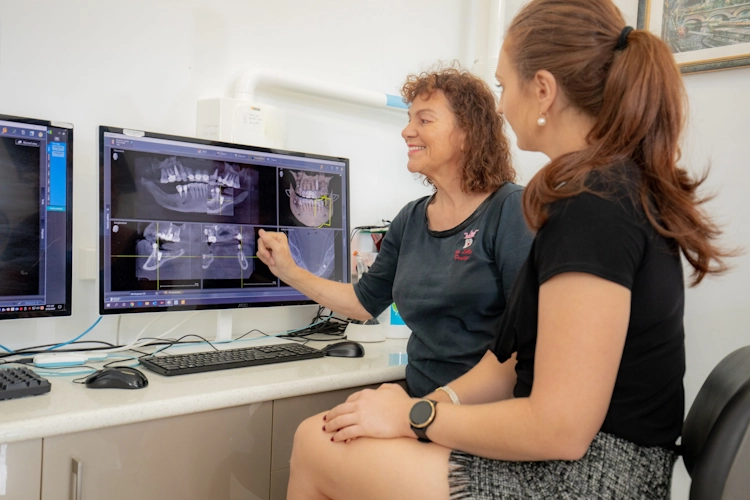
Ever met a dentist who asks about your diet, stress levels, or sleep before even looking at your teeth? That’s usually the approach of a Holistic Dentist. Instead of focusing only on cavities or plaque, this style of dentistry looks at how your mouth connects with your overall health.
Holistic dentistry (often called biological dentistry) treats your teeth, gums, and jaw as part of your whole body. Rather than simply fixing problems, a holistic dentist tries to understand why those problems appear in the first place. They might ask about your nutrition, lifestyle, or daily habits because these factors often influence oral health.
If you’re exploring safer, more natural dental care, you might want to learn more about the Best Holistic Dentist in Brisbane and how this approach supports both oral and overall wellbeing.
In practice, a holistic dentist does everything a regular dentist does – like check-ups and cleanings – but with extra care for your overall health. They’ll still fix cavities and straighten teeth if needed, but they’ll use only biocompatible materials (like composite and ceramic instead of silver-mercury fillings) and minimally invasive techniques. You might get tips on brushing and flossing, but also on diet, vitamin D, or stress management.
As one patient joked, “My dentist asked me about my sleep routine more than my brushing habits!” – but that’s the point: your mouth can affect your sleep and vice versa. By the end of a visit, you won’t just have a clean mouth, you’ll feel like your whole health got some attention too.
Holistic dentistry is about prevention and partnership. You’ll learn why you’re getting treatments, not just what to do. Many holistic dentists spend extra time explaining how gums and teeth can signal bigger issues, and how things like gut health, hormones, or breathing patterns tie in. In other words, your smile truly can be the window to your body’s wellbeing.
What makes a dentist holistic? It’s a mix of philosophy and practice. Here are the core ideas you’ll find at a holistic dental clinic:
Whole-body approach: Every part of your health counts. A holistic dentist considers how your mouth, jaw, and airways relate to things like heart health, diabetes, sleep and stress. For example, chronic gum disease can affect your heart and blood sugar, so treating your gums helps your entire body.
Biocompatible materials: This means no toxic stuff. Fillings and crowns will be mercury-free, BPA-free and metal-free whenever possible. Instead of old silver (amalgam) or cheap plastic fillings, expect advanced composites or ceramics designed not to leach chemicals. (Some practices even use materials like Admira Fusion – a fully ceramic composite – to avoid things like Bis-GMA or HEMA altogether.)
Prevention focus: Instead of just fixing problems after they pop up, holistic dentistry tackles root causes. So you might get advice on nutrition (like eating crunchy veggies for natural cleaning), or on correcting teeth grinding to save stress on your jaw. The idea is to prevent disease before it starts, much like seeing a GP for yearly check-ups.
Minimally invasive: Saving the tooth is the goal. Holistic dentists drill less and preserve more of your natural enamel. If possible, they might use alternatives to drilling (like ozone therapy for early decay, or gentle lasers). Think of it as a “body-conscious” way to treat teeth: no unnecessary damage.
Patient education: You’re in the driver’s seat. Your dentist will explain all options and honest pros/cons. You get to ask questions (“Is this filling safe?”, “Can I use natural toothpaste?”, “What happens if I skip fluoride?”) and actually get answers tailored to your body’s needs.
Feature | Traditional Dentistry | Holistic Dentistry |
|---|---|---|
| Approach | Focus on treating dental issues (fillings, root canals) | Focus on whole-body health and prevention |
| Materials | Often uses amalgam (silver) and standard composites (may contain BPA) | Mercury-free, metal-free ceramics or BPA-free resins |
| Treatment style | Drill-and-fill, surgeries as needed | Minimally invasive, seek natural or gentle alternatives |
| Prevention | Encourages check-ups & hygiene | Plus diet advice, supplements, stress and habit fixes |
| Typical Services | Check-ups, cleanings, crowns | Same services plus nutritional counseling, airway checks, biocompatibility testing |
This table shows the big picture: holistic dentists still do check-ups, braces, cleanings and even cosmetic work, but they do it in a way that’s safer and more natural for your body.
One hallmark of holistic care is avoiding toxic materials. For decades, dentists used silver fillings (amalgam) that are about 50% mercury – not ideal for your body or the environment. Holistic dentists will never put new amalgam in. If you have old silver fillings, they use strict protocols (like the SMART technique) to remove them safely, minimizing any mercury vapor during removal.
Then they replace them with white, composite fillings or ceramic inlays. These modern materials bond strongly to the tooth and match your enamel color, so your smile looks natural. Many holistic patients comment that these “tooth-colored” fillings feel like real teeth and don’t carry that old-metal sensitivity you might remember.
Not just mercury – holistic dentists also dodge other risky stuff. For example, many standard tooth-colored fillings contain BPA-based plastics. Holistic clinics often use BPA-free composites or pure ceramic materials to avoid any hormone-disrupting chemicals.
They’ll also choose zirconia or ceramic crowns and implants instead of nickel or chrome metals, which some people react to. Even fluoride use can be tailored: some patients prefer fluoride-free polish or cleaning agents, and holistic dentists can accommodate that if you discuss it. The bottom line is, everything that goes in or on your mouth is chosen to be as body-friendly as possible.
Ever heard the saying “The mouth is the gateway to the body”? Holistic dentists take that literally. Research shows oral health really does affect overall health. For example, chronic gum disease (periodontitis) has been linked to heart disease, stroke, and diabetes.
When your gums are inflamed, nasty bacteria can slip into your bloodstream, causing trouble elsewhere (inflaming arteries, making blood sugar harder to control, or even breathing problems if inhaled into the lungs). Pregnant women with gum disease are statistically more likely to have premature or low-weight babies.
Your jaw and bite even impact sleep. If your bite is misaligned, you might snore or grind your teeth at night, which can trigger headaches or poor sleep quality. Holistic dentists often check jaw position and airway health for this reason – it’s part of the picture. In short, taking care of your teeth and gums is like giving a protective hug to your entire body.
So when a holistic dentist asks how you’re sleeping, or if you’ve had any weird pains elsewhere, they’re checking these connections. It might feel strange at first, but it’s smart: finding and fixing a cavity is great, but preventing heart strain by treating that inflamed gum? Even better. Many patients find it reassuring that their dentist is looking out for their whole health, not just drilling cavities.
Your day-to-day habits matter. A holistic dentist will give you the usual advice (brush twice, floss once daily, see us every 6 months), but also a few natural twists. Here are some tips they might share:
These tips aren’t about fads – think of them as everyday toothbrush multitaskers. They fit right into a busy life and make your dentist visits easier. In fact, Australia’s health advice mirrors this: a government health site bluntly states, “dental care is essential to staying healthy,” warning that ignoring mouth care can up your risk of chronic illness. That’s exactly the holistic message: treat your teeth daily, and your whole body will thank you.
If you’re nodding along and thinking “This sounds great – where do I find one?”, you’re in luck. Brisbane has a growing number of dentists offering holistic or biological services. These clinics often highlight “mercury-free fillings,” “BPA-free restorations,” and whole-patient consultations on their websites. You might see mention of certifications like SMART (for safe amalgam removal) or memberships in biological dentistry associations.
To pick the right one, look for a practitioner who: listens to your concerns without rushing, asks about your general health, and is happy to explain materials and methods.
A good question: “Do you use mercury or BPA in any of your treatments?” If they answer, “No, we only use ceramic or composite materials,” that’s a strong sign of holistic practice. Another good sign is modern tech – many holistic clinics use low-radiation digital X-rays and laser tools, both gentle and precise.
You can also ask around or check directories for “Holistic Dentist Brisbane.” Word of mouth goes a long way. Some people will still see their family dentist and simply ask them to incorporate safer materials; others may switch to a practice known for this approach. Remember, all registered dentists are qualified professionals – “holistic” just means they’ve chosen a gentler, more natural path.
No matter who you choose, the first visit will feel familiar (lots of chat and cleaning), but with a twist: expect a bit more time for conversation and education. By asking for a holistic approach, you’re taking an active role in your health – and that’s always a win.
Holistic dentistry focuses on safe, natural care while recognising the connection between your mouth and overall health. Instead of only fixing dental problems, a holistic dentist works to prevent them using biocompatible materials and a whole body approach.
If you live in Brisbane and want a more natural path to oral health, exploring holistic dental care can be a smart step. A small change in how you care for your teeth today can lead to a healthier smile and a healthier you for years to come.
A holistic dentist focuses on oral health while considering the connection between your mouth and overall body health. They use safe, non-toxic materials and emphasise prevention and natural care.
A holistic dentist avoids mercury and harmful materials and looks at lifestyle factors like diet, sleep, and stress. Traditional dentistry mainly focuses on treating dental problems.
Yes. A holistic dentist still follows Australian dental standards but prefers biocompatible materials and minimally invasive treatments.
Some holistic dentists minimise fluoride use and may offer alternatives depending on your preference and oral health needs.
Yes. A holistic dentist provides the same treatments as regular dentists but focuses on safer materials and preventing future problems.
Most dentists recommend visiting every six months for a check-up and professional cleaning to maintain good oral health.
 27Jul
27Jul
 24Jul
24Jul
 22Jul
22Jul