Burning Tongue Syndrome: Dental Causes You Shouldn’t Ignore
Ever woken up feeling like you actually devoured a barbie before bedtime, even though it was just a toasted sandwich? That’s your tongue on fire...

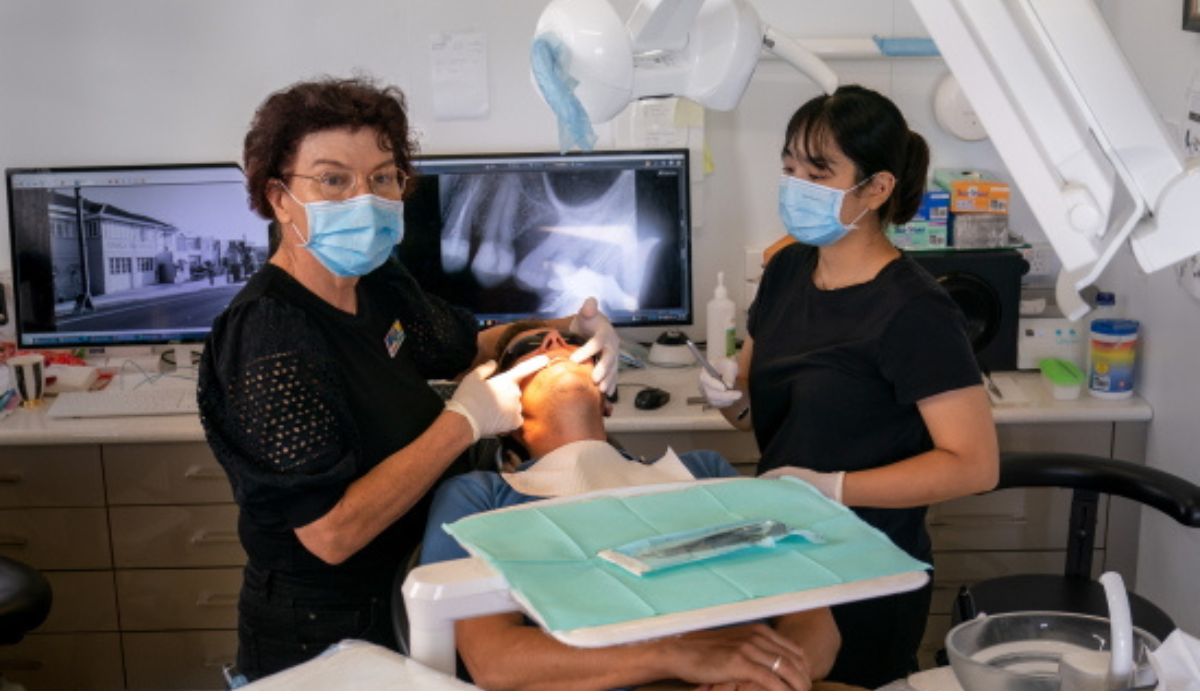
A toothache has a talent for bad timing. It never waits for a lazy Sunday afternoon with an empty calendar. No, it turns up during work, dinner, school pick-up, a date night, or right before you finally sit down with a coffee that cost more than lunch. One minute you feel fine, and the next your jaw starts pulsing like it has joined a nightclub without your permission.
When dental pain hits hard, you do not need panic. You need a clear plan. Whether you have a sharp toothache, a broken tooth, gum swelling, facial swelling, a knocked tooth, or pain that keeps getting worse, an Emergency Dentist can help find the cause and protect your tooth before things spiral.
For fast help close to home, you can book with the Best Emergency Dentist in Milton and get your tooth checked before a small drama turns into a full dental soap opera.
An Emergency Dentist handles dental problems that need urgent attention. That does not always mean “movie-level emergency” with blood, sirens, and dramatic background music. Sometimes it means a toothache that will not settle. Sometimes it means swelling that looks minor in the morning but feels scary by lunchtime.
Common dental emergencies include:
A good rule? If pain, swelling, bleeding, or damage affects your normal day, call a dentist quickly. Teeth rarely “sort themselves out” once infection or deep cracks enter the chat.
A mild tooth niggle after cold water may not need urgent treatment. But a deep, throbbing toothache that wakes you up at night? That deserves attention.
Tooth pain can come from several causes, including decay, infection, a cracked tooth, gum disease, food stuck between teeth, or an irritated nerve. I like to think of toothache as your mouth’s smoke alarm. Sometimes it beeps because toast burnt. Other times, something serious needs attention.
| Toothache Symptom | What It May Mean | How Urgent Is It? |
| Throbbing pain | Possible infection or nerve issue | Urgent |
| Pain when biting | Cracked tooth, abscess, or high filling | Urgent |
| Swelling near tooth | Gum infection or abscess | Urgent |
| Pain with fever | Infection may spread | Very urgent |
| Bad taste or pus | Dental abscess | Very urgent |
| Pain that wakes you up | Deep nerve irritation | Urgent |
Do not place aspirin directly on your gum. It can burn soft tissue. Also, do not keep taking painkillers for days while hoping the tooth behaves. Pain relief can quiet the noise, but it does not fix the cause.
Swelling changes the game. A toothache hurts, yes. But swelling can signal infection, and infection can spread if you ignore it.
You may notice:
For general Australian health guidance, Healthdirect explains that mouth swelling linked with breathing trouble needs urgent medical care, and dental injuries with major swelling need quick attention. You can read more from Healthdirect’s dental injury guidance.
If your swelling affects your breathing, swallowing, speech, eye area, or neck, do not wait for a dental appointment. Seek urgent medical help immediately.
Dental swelling does not make you weak. It makes you human. Bacteria simply found a doorway, and now your body has started waving a red flag.
A broken tooth can feel shocking. One second you bite into something innocent — maybe toast, maybe a rogue popcorn kernel, maybe a “soft” lolly that lied to your face — and then you feel a crack.
First, stay calm. Then act smart.
A broken tooth may look small on the outside but reach deeper layers inside. If the crack exposes the nerve, pain can ramp up fast. Even if it does not hurt much, you still need a dentist to check it. Teeth do not come with a “minor damage only” label.
A knocked-out adult tooth needs quick action. This is one of those moments where speed matters.
Pick up the tooth by the crown — the white chewing part — and avoid touching the root. If it looks dirty, rinse it briefly with milk or saline. Do not scrub it. Do not wrap it in tissue. Do not let it dry out.
If possible, place the tooth back in the socket gently. If that feels too hard, place it in milk and call an Emergency Dentist straight away.
| Step | What To Do |
| Pick it up | Hold the crown, not the root |
| Keep it moist | Use milk or saline |
| Avoid scrubbing | Protect root fibres |
| Call quickly | Same-day dental care matters |
| Do not delay | Faster action can improve outcome |
For children, baby teeth need different care. Do not try to put a baby tooth back in the socket, because it may harm the adult tooth underneath.
A tooth abscess can start quietly. A little tenderness. A tiny gum bump. A strange taste. Then suddenly, your cheek feels swollen, your tooth throbs, and chewing feels like a bad life choice.
An abscess usually forms when bacteria reach the inside of the tooth or the area around the root. Your body sends infection-fighting cells, pus builds up, and pressure creates pain.
Here is the important bit: an abscess will not properly heal by itself. You may feel better if it drains, but the infection can remain. An Emergency Dentist may need to drain the infection, treat the nerve, remove decay, prescribe medicine, or discuss root canal treatment or extraction.
That sounds serious because it is. But handled early, it becomes manageable.
A lost filling or crown can feel more annoying than scary. You run your tongue over the tooth every three seconds like you are checking a broken tile. But even if pain stays mild, the exposed tooth can weaken, crack, or become sensitive.
Yes, people try household glue. No, your mouth does not need a craft project.
An Emergency Dentist can check whether the tooth needs a new filling, crown repair, bonding, or further treatment.
You can take simple steps to reduce discomfort before you see the dentist. These steps do not replace dental care, but they can help you get through the next few hours with less drama.
| Problem | What May Help | What To Avoid |
| Toothache | Warm salt water rinse, gentle flossing | Aspirin on gums |
| Swelling | Cold compress outside cheek | Heat packs on infection |
| Broken tooth | Cover sharp edge with dental wax if available | Chewing on that side |
| Lost crown | Keep crown safe | DIY glue |
| Bleeding | Gentle pressure with gauze | Hard rinsing |
You can also take over-the-counter pain relief if it suits you and you can take it safely. Follow the packet instructions, and ask a pharmacist or doctor if you have medical conditions, allergies, pregnancy, or other medicines in the mix.
Not every dental problem needs a hospital. In most cases, an Emergency Dentist should assess tooth pain, broken teeth, abscesses, and lost crowns.
However, some signs need urgent medical care first.
Think of it like this: dentists save teeth; hospitals handle threats to your airway, face, and general health. Sometimes you need both, but safety comes first.
Dental emergencies punish delay. A cracked tooth can split further. An infection can spread. A small cavity can reach the nerve. A knocked-out tooth can lose its chance of being saved.
Early treatment often means simpler treatment. That may mean a filling instead of a root canal, a repair instead of extraction, or infection control before swelling gets worse.
Young professionals in Milton know the drill — life runs fast. Work meetings, gym sessions, social plans, family stuff, emails that multiply like rabbits. But dental pain does not care about your calendar. Book the appointment. Your future self will thank you with a less swollen face and a calmer bank account.
During an emergency dental visit, the dentist does not just poke the sore spot and guess. They usually follow a careful process.
You may expect:
Treatment depends on the cause. You may need a filling, temporary restoration, crown repair, drainage, antibiotics, root canal treatment, tooth removal, or follow-up care.
A good dentist explains your options in plain English. No scary mystery language. No “dental fog.” Just clear steps.
| Dental Emergency | Possible Treatment |
| Severe toothache | Filling, root canal, extraction, or gum treatment |
| Broken tooth | Bonding, filling, crown, veneer, or root canal |
| Dental abscess | Drainage, antibiotics, root canal, or extraction |
| Lost filling | New filling or temporary repair |
| Lost crown | Recement crown or make a new one |
| Knocked-out tooth | Reimplantation, splinting, or replacement option |
| Wisdom tooth pain | Cleaning, medicine, removal assessment |
No two mouths tell the exact same story. That is why guessing from Google can only take you so far. A dentist needs to see the tooth properly.
You cannot prevent every accident. Life has popcorn kernels, sports collisions, surprise falls, and hidden olive pits. Still, you can lower your risk.
Try these habits:
Prevention sounds boring until it saves your Friday night.
| Situation | Can It Wait? | Best Next Step |
| Mild sensitivity only | Maybe | Book routine dental check |
| Toothache lasting over 24 hours | No | Call dentist soon |
| Broken tooth with pain | No | Book urgent visit |
| Swelling near gum or cheek | No | Call Emergency Dentist |
| Knocked-out adult tooth | No | Seek immediate help |
| Trouble breathing or swallowing | Never | Go to hospital emergency |
| Lost filling without pain | Short time only | Book dental repair |
| Bleeding after injury | No | Urgent dental or medical care |
This chart keeps things simple. If pain grows, swelling spreads, or your gut says “this is not normal,” listen to it.
Dental emergencies feel intense because teeth sit close to nerves, blood supply, and your confidence. A toothache can ruin your focus. A broken tooth can change how you smile. Swelling can turn a normal day into a worry spiral.
But here is the good news: you have options. An Emergency Dentist can find the cause, ease your pain, protect your tooth, and guide you through treatment without making the whole thing feel like a horror film.
If you live or work near Milton and you have toothache, swelling, a broken tooth, or sudden dental pain, do not wait for it to “calm down” on its own. Call an Emergency Dentist and book urgent care today so you can get back to eating, smiling, working, and living without your tooth running the show.
Call an Emergency Dentist if your toothache feels severe, lasts more than a day, wakes you at night, or comes with swelling, fever, bad taste, or pain when biting. These signs may point to infection, nerve trouble, or a cracked tooth.
Yes, facial swelling can become serious, especially if it spreads toward the eye, jaw, or neck. If swelling affects breathing, swallowing, or speech, seek urgent medical help immediately.
Rinse your mouth gently, save any broken pieces, apply a cold compress, avoid chewing on that side, and call an Emergency Dentist. Even small cracks can expose deeper parts of the tooth.
No, a dental abscess usually needs professional treatment. Pain may reduce if the abscess drains, but the infection can remain and may spread without proper dental care.
Hold the tooth by the crown, avoid touching the root, keep it moist in milk or saline, and seek immediate dental care. Do not scrub the tooth or let it dry out.
You may take over-the-counter pain relief if it suits you and you follow the packet instructions. Ask a pharmacist or doctor if you have allergies, medical conditions, pregnancy, or take other medicines.
A lost filling may need urgent care if you feel pain, sensitivity, sharp edges, or food trapping. Even without pain, book a dentist soon to protect the tooth from further damage.
See an Emergency Dentist for most tooth-related swelling. Go to hospital immediately if you have trouble breathing, trouble swallowing, severe facial swelling, heavy bleeding, or swelling spreading to the neck or eye.
You should treat a broken tooth as soon as possible, especially if you feel pain, sensitivity, bleeding, or sharp edges. Fast care can help prevent infection and further cracking.
Rinse with warm salt water, floss gently to remove trapped food, use a cold compress for swelling, and avoid chewing on the sore side. These steps can help short-term, but they do not replace dental treatment.
 27Jul
27Jul
 24Jul
24Jul
 22Jul
22Jul
Nearly invisible, removable aligners, 3D-scanned and planned in-house by our Paddington dentist. Book a free consult and we'll tell you if Spark suits your teeth and give you an exact quote.
Simple cases only. Final price depends on treatment complexity; clinical assessment required.