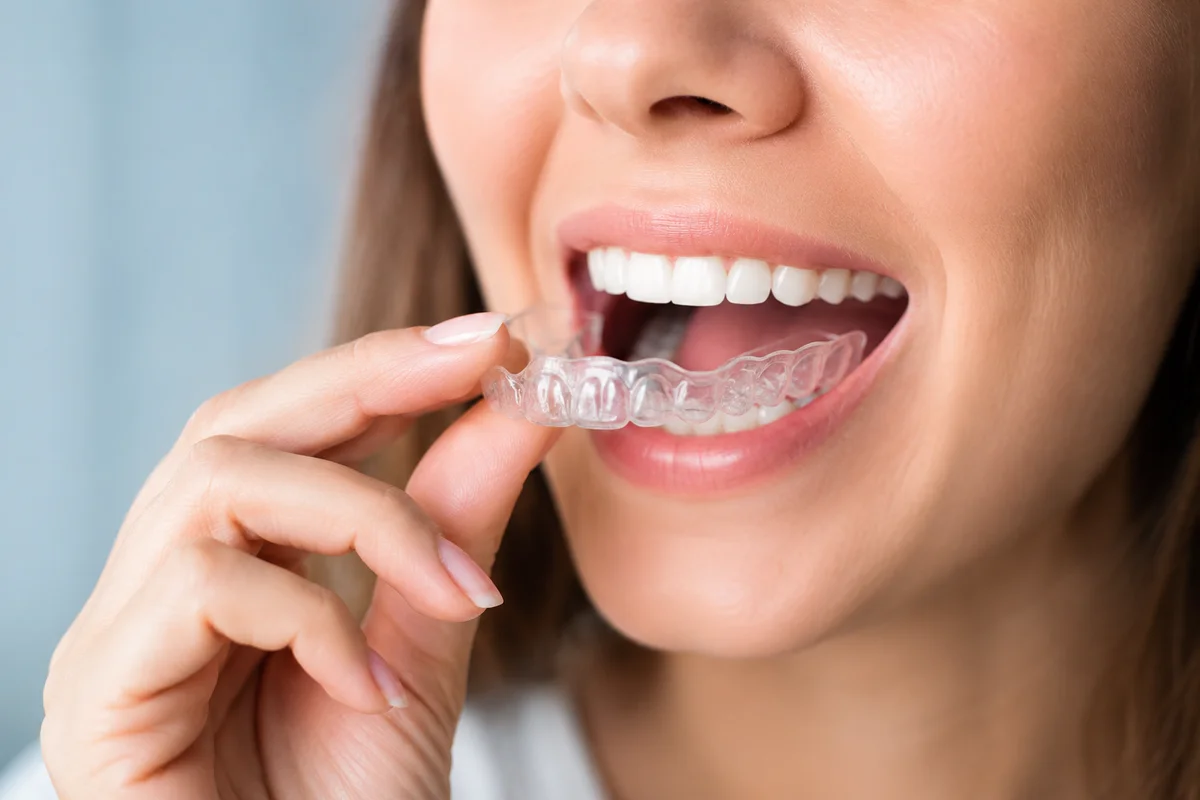
A straighter smile can change how you look, how you speak and how confident you feel in a room full of people. In Brisbane, where workdays are busy, social plans move fast and people like results that feel polished but low-key, Invisalign Clear Aligner treatment has become a popular choice for adults and teens who want a cleaner, more discreet way to straighten teeth.
Clear aligners work differently from old-school braces. Instead of brackets and wires, you wear a series of clear trays that gently move your teeth into better positions over time. That makes the whole experience feel a little less obvious and a lot more lifestyle-friendly, especially if you are juggling meetings, coffee catch-ups and the occasional photo you do not want to overthink.
If you are comparing treatment options and want to talk through what suits your smile, you canBrisbane orthodontic treatment and ask whether Invisalign Clear Aligner care fits your teeth, bite and goals.
What Invisalign Clear Aligners actually do
An Invisalign Clear Aligner system uses custom-made plastic trays to straighten teeth and help correct bite issues. Healthdirect explains that clear aligners are thin plastic trays worn over the teeth to straighten them, and they are clear rather than invisible. It also notes that they need to stay in your mouth most of the time, except when you eat or drink.
That matters because the treatment feels simple, but it still works through steady pressure and consistency. You wear one set of aligners for a period, then move to the next set as your teeth gradually shift. The whole process is controlled and planned, which is why the consultation stage matters so much.
I like how aligners fit into modern life. You can keep them with you, remove them for meals, and smile without feeling like your mouth has been turned into a metal construction project. That flexibility is one of the big reasons people in Brisbane ask about them first.
Why people in Brisbane choose Invisalign Clear Aligner treatment
People often choose Invisalign because it feels more discreet than traditional braces. That is the obvious part. But the real appeal goes deeper.
You may prefer aligners if you want a treatment that fits around your work, social life and daily routine without drawing too much attention. Many adults like the idea of improving their smile without making it the loudest thing in the room. For a lot of people, that balance matters.
Healthdirectsays orthodontic treatment can straighten crooked teeth and correct bite problems, and Invisalign-style aligners are one of the common ways dentists and orthodontists do that. It also notes that orthodontists are dental specialists, and many general dentists provide some orthodontic treatments too.
So the treatment has a practical side and a confidence side. You fix the alignment, but you also keep daily life fairly normal while you do it.
What Invisalign treatment costs in Australia
Cost is usually the first question, and fair enough. Nobody wants to fall in love with a smile plan and then discover it sits way outside the budget.
Invisalign’s Australian site says treatment cost varies from person to person, and your dentist or orthodontist determines the price based on treatment length, case complexity and financing options. The site also notes that Invisalign may be more affordable than people think, and that patients should check health fund cover, payment plans and third-party finance options.
Rather than promising one fixed price, it makes more sense to think about the factors that shape the final cost.
Cost factor
Why it changes the price
Case complexity
More tooth movement usually takes more planning and more aligners
Treatment length
Longer treatment usually means more visits and more trays
Bite correction
Bite issues often need a more detailed plan
Refinements
Some cases need extra adjustment trays later on
Provider fees
Orthodontists and dentists may structure pricing differently
Health fund cover
Some private health plans may help with part of the cost
Payment plans
These can spread out the expense over time
A mild alignment case will usually cost less than a more complex bite correction. That does not make one case “better” than another. It just means the work changes, and the price changes with it.
How long Invisalign Clear Aligner treatment usually takes
Timeline depends on the case. Healthdirect says orthodontic treatment with braces, aligners and retainers usually takes between 1 and 3 years, while Invisalign’s Australian site says some people may start seeing changes in as little as 6 months depending on case complexity.
That is why consultations matter. Two people can both ask for straighter teeth, but one may need a quick tidy-up and the other may need a more involved plan.
If your teeth only need light correction, treatment can feel relatively quick. If your bite needs extra work, the timeline stretches. Either way, the aligners only do their job if you wear them consistently.
What happens at the first appointment
Your first visit usually starts with a proper look at your teeth, bite and jaw. Healthdirect says the orthodontist will examine your mouth and face, and they may take x-rays or make plaster or digital models of your teeth before discussing the treatment plan.
That first appointment usually helps answer a few important questions:
Are aligners suitable for your teeth?
Do you need bite correction as well as straightening?
Would braces work better for your case?
How long might treatment take?
What will the likely cost range look like?
This stage matters because not every smile needs the same solution. Some need small cosmetic improvements. Others need a more structured orthodontic plan.
Who Invisalign Clear Aligner treatment suits best
Invisalign works best when your case suits aligner treatment and you can commit to wearing the trays properly. Healthdirect says clear aligners can help with crooked teeth, gaps and bite alignment, and that your dentist or orthodontist will decide whether aligners suit your amount of correction.
In general, Invisalign Clear Aligner treatment often suits people who want to improve:
mild to moderate crowding
small gaps between teeth
mild bite issues
teeth that tilt or twist slightly
smile symmetry and appearance
It tends to suit people who like routine. If you can wear the aligners as directed, keep them clean and return for check-ups, you usually give the treatment a much better chance of working smoothly.
It may not suit every case. More complex bite issues, significant jaw concerns or teeth that need major movement may need braces or another orthodontic approach. That is why proper assessment matters more than guessing from the mirror.
Benefits of choosing Invisalign Clear Aligner treatment
The benefits go beyond the obvious “straight teeth” result.
One big advantage is appearance. Clear aligners are discreet, so they fit more easily into work and social life. Another advantage is convenience. You can remove them for meals, brushing and flossing, which makes daily cleaning easier than fixed braces.
Healthdirect notes that straightening teeth and correcting bite issues can help with keeping teeth cleaner, reducing tooth wear from clenching and grinding, lowering stress on the jaw joint and improving confidence in appearance.
That makes aligner treatment feel less like a cosmetic indulgence and more like a functional upgrade. Sure, you get a better-looking smile, but you also make your mouth easier to care for in the long run.
Things you need to do well during treatment
The aligners only work properly if you treat them like part of your routine, not like a side project you forget about after week two.
A few habits make a big difference:
wear your aligners as directed
remove them only for eating and drinking
clean them regularly
brush and floss carefully after meals
bring them to review appointments
follow your dentist or orthodontist’s instructions
Healthdirect notes that aligners need to be worn all the time except when eating and drinking. It also warns that poor dental hygiene during orthodontic treatment can increase the risk of tooth decay or gum infection.
That is the quiet truth of aligner treatment: the trays do the moving, but your habits do the heavy lifting.
Invisalign Clear Aligner vs braces
This is one of the biggest comparison points for Brisbane patients.
Braces are fixed to the teeth, and Healthdirect says traditional metal braces remain the most cost-effective and reliable option for many people. Clear aligners are removable and more discreet, but your orthodontist or dentist needs to decide whether they suit your level of correction.
Feature
Invisalign Clear Aligner
Traditional braces
Appearance
Very discreet
More visible
Removable
Yes
No
Cleaning
Easier around teeth
More involved
Discipline needed
High
Lower, because braces stay on
Best for
Mild to moderate cases and aesthetic preference
Broader range of orthodontic cases
Lifestyle fit
Strong for adults and professionals
Very effective but more obvious
I usually think of Invisalign as the sleek, low-profile option. Braces feel more direct and fixed. Neither is “better” in every case. The right one depends on your teeth, your goals and how much structure you want in the treatment.
What to expect after treatment
Once your aligner treatment finishes, your orthodontic journey does not stop the moment the last tray comes out. Healthdirect says retainers help keep teeth in position after braces, and the same idea applies after aligner treatment because teeth can move again if you do not wear the retainer as advised.
That means your aftercare matters. A smile is a bit like a good haircut. You do not just get it once and assume it will maintain itself forever. You look after it, and it keeps looking good.
Your dentist or orthodontist will explain the retainer plan and how often you need to wear it.
Is Invisalign worth it?
For many people, yes. If you want a straighter smile without fixed brackets and wires, an Invisalign Clear Aligner plan can feel like a smart, modern choice. The treatment can suit adults, teens and people who want flexibility during their orthodontic journey.
The main question is not whether Invisalign looks good on paper. The question is whether it suits your teeth, your bite and your routine. If it does, the treatment can be a very clean fit.
Conclusion
Invisalign Clear Aligner treatment gives Brisbane patients a discreet, flexible and practical way to straighten teeth and improve bite alignment. It suits many mild to moderate orthodontic cases, and it often appeals to adults who want a polished smile without the look of traditional braces.
Costs vary depending on case complexity, treatment length and provider planning. Treatment can take anywhere from months to years depending on the situation. The best next step is a proper assessment, because a good orthodontic plan starts with the mouth in front of you, not a one-size-fits-all guess.
If you are thinking about Invisalign Clear Aligner treatment in Brisbane, book an orthodontic assessment and find out whether aligners, braces or another option will suit your smile best.
Frequently Asked Questions
1. How much does Invisalign Clear Aligner treatment cost in Brisbane?
The cost varies from person to person. Invisalign says your dentist or orthodontist determines pricing based on treatment length, case complexity and financing options.
2. How long does Invisalign Clear Aligner treatment take?
Many orthodontic treatments take around 1 to 3 years, although some Invisalign cases can show changes in as little as 6 months depending on complexity.
3. Do I need a referral to see an orthodontist for Invisalign?
No, you do not need a referral to see an orthodontist. Healthdirect says you can choose which orthodontist to see.
4. Is Invisalign Clear Aligner treatment suitable for everyone?
No. Your dentist or orthodontist will assess your teeth, bite and jaw before deciding whether aligners suit your level of correction.
Nearly invisible, removable aligners, 3D-scanned and planned in-house by our Paddington dentist. Book a free consult and we'll tell you if Spark suits your teeth and give you an exact quote.

 27Jul
27Jul
 24Jul
24Jul
 22Jul
22Jul