Burning Tongue Syndrome: Dental Causes You Shouldn’t Ignore
Ever woken up feeling like you actually devoured a barbie before bedtime, even though it was just a toasted sandwich? That’s your tongue on fire...

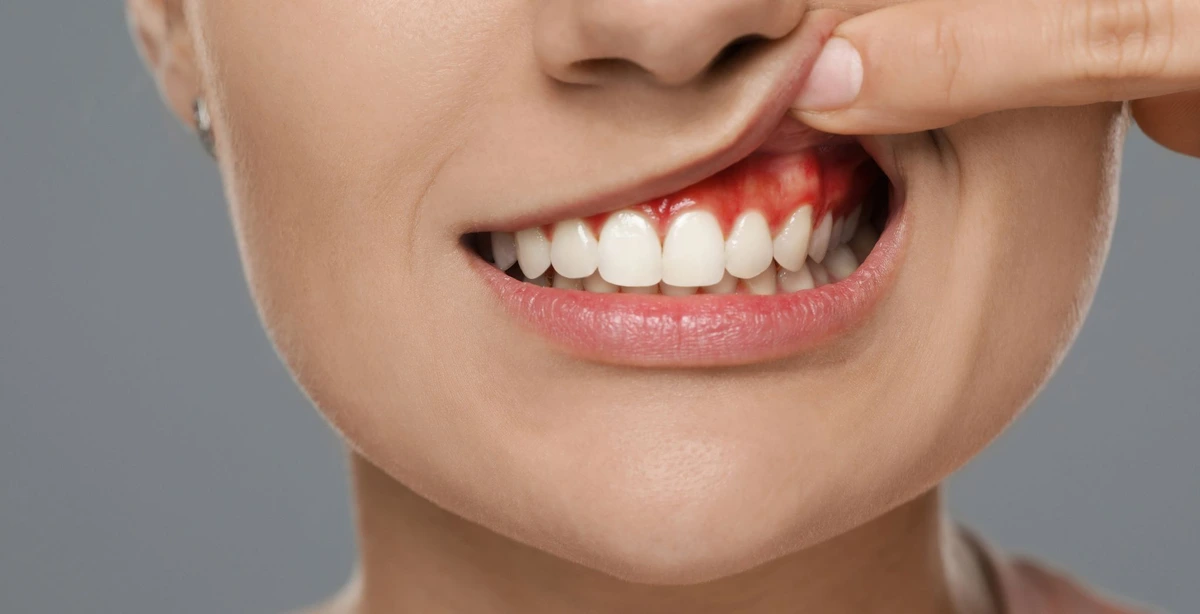
Dealing with a throbbing toothache is one thing, but when the pain starts shooting through your jaw or your cheek balloons up, you know a dental abscess might be to blame. If you’ve ever had a toothache so bad it kept you up at night, you know how quickly the mood goes from “I’ll sleep it off” to “I’m calling the dentist at 8 am sharp.”
In Brisbane, we dodge harsh sun, but a tooth abscess is one thing even Queensland humidity can’t soothe. So let’s dive into what a dental abscess really feels like, how to handle it right now, and what your dentist will do to fix it. By the end, you’ll know when to chill with a cold compress and when it’s time to bite the bullet and see a pro.
I’ve seen enough infection scares to know that any swelling, fever or jaw-locking pain deserves respect. A dental abscess is basically a nasty infection at the root of a tooth or in the gum, and it can creep from mild irritation to a full-blown emergency faster than you can say “tooth fairy.” It often starts from a hidden cavity, a cracked tooth or even lingering gum disease. Without treatment, that infection can spread beyond the tooth to your face, neck or blood – and that’s when things get really serious.
If your tooth is acting up and you suspect it’s more than just a simple cavity, don’t wait. Think of an abscess as that friend who might sulk quietly at first but will turn into a full tantrum if ignored. Your best move: get professional infected tooth treatment in Brisbane sooner rather than later.
Simply put, a dental abscess is a pocket of pus that forms around an infected tooth or gum. It’s your body’s way of isolating infection, but that isolation means pressure building up inside your mouth. The bacteria under your tooth sends your immune system into overdrive, resulting in swelling, pain and sometimes even fever.
The most common culprit is tooth decay that’s gone deep enough to reach the pulp (the tooth’s nerve center). It can also come from advanced gum disease or a cracked tooth letting germs slip inside.
Dental abscesses come in a couple of flavors: one that starts at the tooth’s root (periapical abscess) and one that originates in the gum next to a tooth (periodontal abscess). But the symptoms often feel pretty similar. When a tooth is infected, you might notice a constant, throbbing ache, especially when you chew or when pressure hits that spot. Hot or cold foods can send electric shocks of pain through the tooth. Sometimes you’ll even taste salty or foul pus if the abscess drains into your mouth.
By the way, no matter where you are in Brisbane, these abscesses don’t pick up on geography or time of day. Left untreated, any abscess will keep building until it has to either burst out through the gums (nasty) or get treated. The key is catching it early.
Not every ache is a drama, but some telltale signs mean an abscess is likely lurking. Here are symptoms to watch for:
I find it helpful to picture an abscess like a water balloon of pus growing under your skin. The more it fills, the more you’ll feel pressure and pain. Sometimes the jaw or face gets so swollen it’s hard to open your mouth fully (trismus). If you see your eyelid puff out, or you can’t move your tongue comfortably, that’s when an abscess is getting aggressive.
If you tick off a couple of the above symptoms (especially swelling or fever), it’s time to move from shrugging it off to serious action.
Let’s be crystal clear: a dental abscess is not something to tough out on your own. If you see any swelling spreading to your face or neck, you need help now. Emergency guidelines from local health authorities warn that an abscess can sometimes lead to serious complications if it spreads to facial spaces or the bloodstream.
For example, if the swelling is making it hard to breathe or swallow, or if you’re waking up choking or short of breath, call 000 immediately. Also, if one eye starts swelling shut or you can’t see properly, don’t wait – that can be a sign the infection is spreading near your eye or brain (rare, but dangerous).
For most cases, your first move is to call your dentist or a local emergency dentist. In Brisbane, many clinics offer after-hours services for exactly these situations. The Queensland Government advises seeing a dentist quickly for abscesses, because “an abscess will not heal itself and can become very serious if left untreated.”
If you can’t reach your dentist, going to a hospital emergency department is the next best thing. Hospitals can at least give you pain relief and sometimes antibiotics to stabilize the situation before you see a dentist.
Think of it like this: if your cheek or jaw is puffed up, imagine that infection is literally closer to major blood vessels and organs. You wouldn’t leave a speeding toddler alone at a cliff’s edge – similarly, you shouldn’t ignore an abscess that’s swelling near critical areas. In Brisbane, emergency departments are prepared for dental infections, but it’s always better if a dentist handles it to save the tooth.
While you’re arranging that urgent dental visit, there are a few things you can do at home to manage the pain and swelling:
One quick note: if you have any antibiotics at home (say from a past infection), do NOT take them without dentist’s advice. Using the wrong antibiotic or incomplete course can make things worse. Wait for the dentist’s professional plan.
When you see the dentist (as soon as humanly possible), they’ll confirm the abscess and take steps to fix it. In most cases, the dentist needs to eliminate the source of infection – because remember, antibiotics or home care can’t fully cure an abscess by themselves.
Here’s what usually happens:
You’ll leave the clinic with instructions to keep everything clean. This may include gentle saltwater rinses for a few days and careful brushing. If you had a tooth removed, you’ll bite on gauze to form a clot. Don’t rinse vigorously or suck on straws for the next 24 hours to let the area heal.
Not all abscesses end up with the same path. Here’s a quick comparison of two common scenarios:
| Treatment Type | When used | What it involves | Healing time |
|---|---|---|---|
| Root Canal Therapy | Tooth is salvageable | Remove pulp, seal root canal, crown | 1-2 appointments, 1-2 weeks recovery |
| Extraction (Removal) | Tooth too damaged or risk high | Local anaesthetic, tooth pulled, possible bone cleaning | Recovery ~1 week (gum heals in ~2 weeks) |
| Antibiotics (Adjunct) | Infection spread/systemic signs | Oral antibiotics 5-7 days with definitive work | Symptom relief in 1-3 days, full resolution with follow-up |
| Incision & Drainage | Very swollen abscess | Small cut or draining through tooth root | Immediate pressure relief, healing in days |
No matter which route your dentist chooses, the big takeaway is that removing the infection source heals the abscess. Between drainage and follow-up care, people generally feel dramatically better within 24-48 hours after the dentist does their job.
The best cure for an abscess is not having one in the first place. Regular dental check-ups can catch a small cavity before it turns into a root-filled nightmare. Brushing twice a day, flossing, and avoiding excessive sugary or acidic snacks all help keep those cavity risks down.
If you’ve had a bad abscess before, your dentist might check your other teeth carefully. Sometimes after an abscess, you might need a night guard if grinding was involved, or more frequent cleanings if gum disease was a factor. Basically, treat your next morning with peace of mind (and a toothbrush) rather than panic at the pain.
A dental abscess can throw a wrench into your life – fast. But knowing the signs and acting quickly is your superpower. If your tooth pain is bad, won’t quit, or comes with swelling and fever, don’t play the waiting game. Use pain relief and cold packs to stay comfortable, but call your dentist or visit an emergency clinic as soon as possible. Early action saves teeth, stops pain, and keeps a small infection from turning serious.
If you suspect you have a dental abscess, reach out to a dentist now. In Brisbane, there are after-hours dental services ready to help you. Don’t suffer alone – get professional treatment for your tooth infection and protect your health.
1. What are the common symptoms of a dental abscess?
Typical signs include a severe, throbbing toothache, swollen/red gums, facial swelling, sensitivity to hot or cold, a bad taste or bad breath from drainage, and sometimes fever. If you notice puss oozing or feel pressure under your tooth, see a dentist right away.
2. Is a dental abscess an emergency?
Yes. While not every abscess sends you to A&E, it is an urgent situation. If you have swelling of the face or neck, trouble breathing or swallowing, or high fever, seek emergency care immediately. Otherwise, book a dentist as soon as possible – abscesses never improve on their own.
3. Will antibiotics alone cure a dental abscess?
No. Antibiotics help control the infection but won’t remove it. You’ll still need a dentist to drain the abscess and fix the tooth (with a root canal or extraction). Think of antibiotics as a supplement – they ease symptoms, but the definitive cure is dental treatment.
4. What happens after a dentist treats a dental abscess?
After treatment, you’ll rest the area and follow care instructions. Pain and swelling should improve quickly. If a tooth was saved with a root canal, you’ll get a follow-up crown or filling. If a tooth was removed, the gum heals over a week or two. Keep up painkillers as needed, maintain oral hygiene with gentle brushing, and complete any antibiotics. Your dentist will schedule any necessary check-up to ensure the infection is fully cleared.
 27Jul
27Jul
 24Jul
24Jul
 22Jul
22Jul
Nearly invisible, removable aligners, 3D-scanned and planned in-house by our Paddington dentist. Book a free consult and we'll tell you if Spark suits your teeth and give you an exact quote.
Simple cases only. Final price depends on treatment complexity; clinical assessment required.