Dentist Rosalie Guide: Treatments, Costs and What to Know
You know that moment when you laugh at a mate’s joke and then immediately wonder if your coffee-stained teeth laughed harder? Yeah. That’s usually when a dentist appointment suddenly feels like “self-care” instead of “adult admin”.
If you live (or work) around Rosalie, you already get the vibe: it’s leafy, close to the CBD, and full of people who look like they’ve got their life together even when they’re just running on flat whites and Outlook reminders.
Rosalie sits inside Paddington these days, and the little hub around Rosalie Village makes errands feel weirdly stylish. Now, if you’re chasing a smile glow-up (whitening, veneers, bonding—the works), I’ll make it easy: check out Best cosmetic dentist in Brisbane and get a feel for what modern cosmetic options can look like, then bring your favourites to your consult like you’re showing your barber a reference photo (but, you know… for teeth).
Here’s my promise: I won’t drown you in jargon, and I won’t pretend every mouth works the same. I’ll walk you through the most common treatments you’ll see in a Rosalie clinic, what they usually cost around Brisbane, and how you can avoid the classic “surprise invoice” moment that makes you stare into the middle distance like a tragic indie film extra.
What you can get done in one appointment
Most people start with the classic “check-up and clean” combo, and honestly, it’s the best place to begin if you want a clear plan (and fewer money surprises later). When you book in, your dentist (or a hygienist/oral health therapist in the team) usually checks your teeth and gums, looks for early decay, and cleans off tartar that your toothbrush can’t evict.
If you feel nervous, tell them up front. I do it every single time. Anxiety loves silence, but it hates daylight. Once I say, “Hey, I get a bit tense,” the whole appointment feels more controlled—and way less dramatic.
A solid visit also covers the annoying-but-useful stuff: quick hygiene coaching, flossing tweaks you’ll actually remember, and a chat about grinding, snoring, or jaw tension if you deal with any of that “tight face by Tuesday” energy. Insert image of a modern dental chair setup with calm lighting here.
When your dentist suggests X‑rays, they usually aim for clarity, not chaos. X‑rays help them spot problems between teeth or under old fillings—aka the sneaky spots that love to hide until they cost real money.
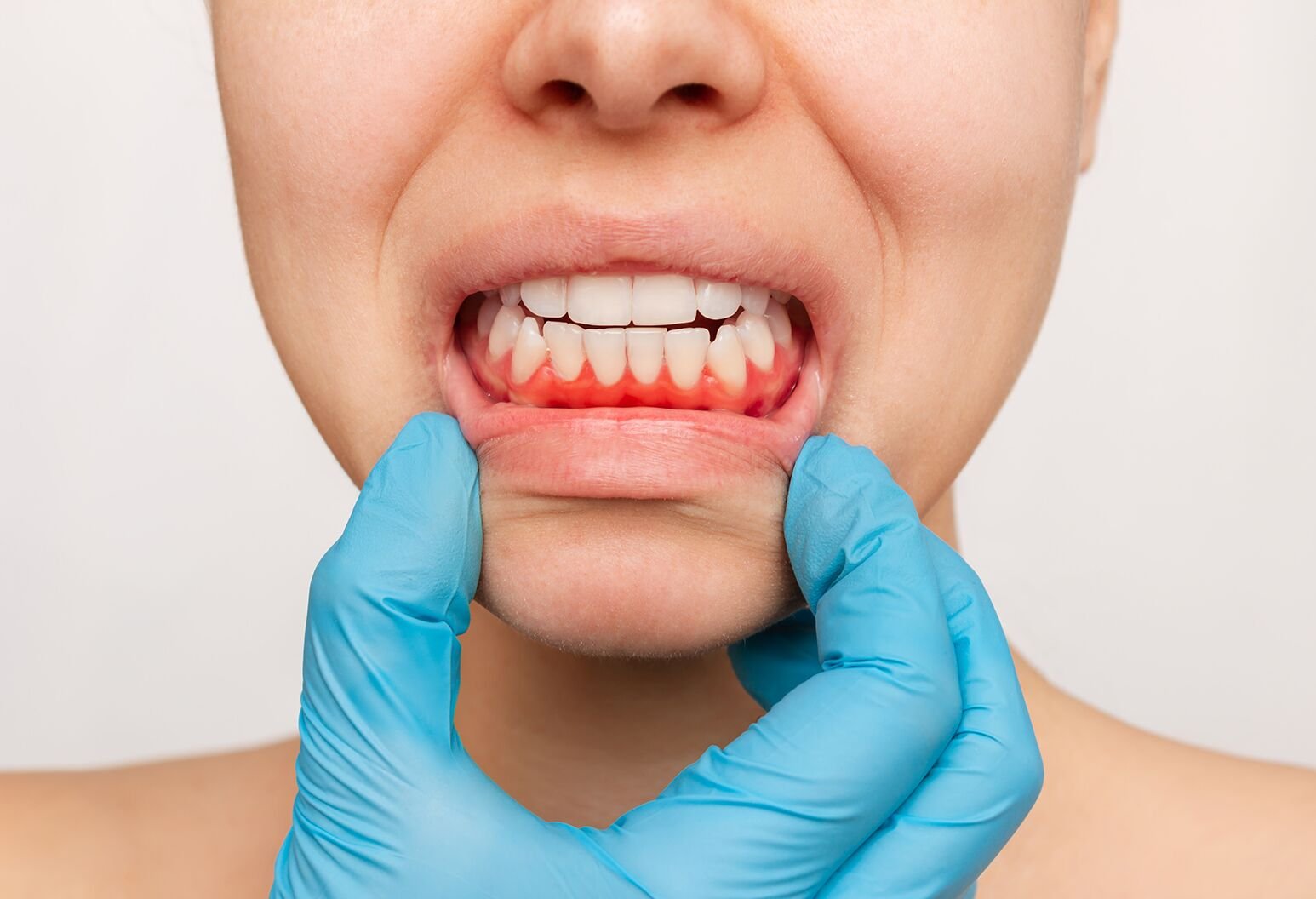
If your gums look inflamed or bleed easily, your dentist may talk about gum care first. That can mean a deeper clean (sometimes split into sections) and a proper home routine—because gum disease doesn’t care how expensive your toothpaste tastes.
When I want you to picture this correctly, I want you to imagine your mouth like a rental apartment. A regular clean handles the visible mess. A deeper clean gets into the corners where dust bunnies throw parties. Nobody wants dust-bunny parties. Especially not in your gums.
Restorative work comes next if you need it. Think fillings, crowns, or root canal treatment. I know “root canal” sounds like a villain origin story, but modern treatment often feels a lot more manageable than people expect—especially when you treat pain early instead of “waiting to see if it goes away” (the boldest and worst strategy).
Cosmetic treatments show up a lot for young professionals in Brisbane because we live on video calls, corporate headshots, weddings, and “I just want to look fresher” moments. Teeth whitening, composite bonding, veneers, and clear aligners all sit in this lane, and your dentist should help you match the option to your lifestyle—not just your Pinterest board.
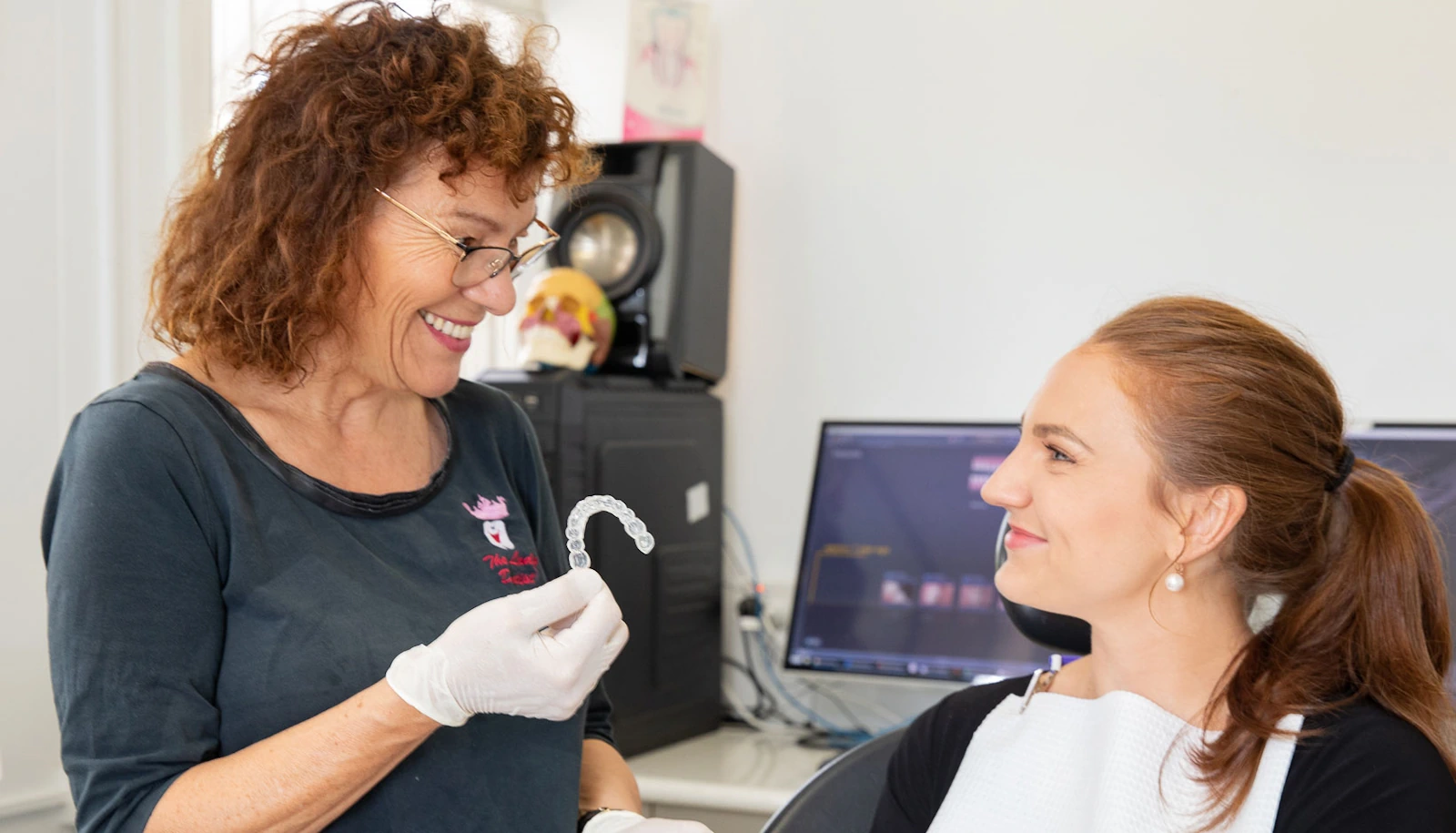
Clear aligners work well for plenty of adults, but you need consistency. If you won’t wear them as directed, you’ll basically buy expensive plastic and a side of regret. I say that with love. I also say it as someone who once tried to “get fit” by buying shoes.
If you wake up with a cracked tooth, swelling, or sharp pain, I want you to treat it like a priority, not a chore. Call a dentist straight away, explain what you feel, and ask for the next available urgent slot. When you describe symptoms clearly (pain level, swelling, fever, trauma), you help the clinic triage you faster.
And yes—if you ever struggle to breathe, you see rapid swelling, or you feel seriously unwell, go straight to emergency care. Teeth can cause bigger health blow-ups than people realise.
In Australia, money questions always matter, so let’s talk about support options without the fluff. If you have kids (or you’re a guardian), you can check whether they qualify for basic dental care support through Services Australia’s Child Dental Benefits Schedule—because ignoring that kind of help feels like leaving free chips on the table.
Costs and payment basics in Rosalie
Let’s get brutally honest: private dental pricing varies a lot across clinics, even in the same suburb. Clinics set their own fees, and your final cost depends on complexity, materials, and how much work your mouth needs (your teeth don’t do “one-size-fits-all,” unfortunately).
If you qualify for public dental care in Queensland (often through concession cards and eligibility rules), you can access subsidised services, but wait times can stretch out, especially for non-urgent care. I always suggest you ask directly about timeframes, what they class as “urgent,” and whether they offer alternative pathways if your pain spikes.
Now for the numbers you actually came for. I’ll give you a realistic “typical Australia” snapshot so you can budget like a grown-up—without spiralling.
Typical private dental costs (Australia-wide averages and ranges) (These figures act as guideposts, not guarantees. Clinics in inner-city Brisbane can sit higher than the national average.)
Treatment (common item)
Typical cost (AUD)
Usual range (AUD)
What often changes the price
Periodic exam (check-up)
~$60
~$45–$85
Appointment length, complexity
Scale and clean
~$123
~$93–$171
Tartar level, gum inflammation
Fluoride treatment
~$36
~$24–$53
Add-on vs bundled care
X‑ray (per image)
~$45
~$33–$58
Type/number of images
Filling (1 surface, front tooth)
~$167
~$121–$233
Material, access, tooth location
Filling (2 surfaces, back tooth)
~$220
~$171–$305
Depth/size of cavity
Simple extraction
~$205
~$149–$300
Difficulty, roots, infection
Root canal (one canal prep)
~$308
~$218–$475
Tooth type, complexity
Full crown (veneered)
~$1,678
~$1,250–$2,100
Lab, materials, tooth condition
My quick “cost ladder” mental shortcut (so you don’t panic‑budget): Clean/check → Fillings → Extractions/root canal → Crowns/implants/ortho
If you hold private health insurance with extras, you can often claim a chunk back for general dental, and sometimes for bigger work (depending on item limits, waiting periods, and annual caps). I always tell people to do one boring thing before treatment: call your insurer, quote the item numbers from the treatment plan, and ask what you’ll get back. That phone call can save you real dollars.
When you want to reduce costs without cutting corners, I suggest three power moves:
First, ask for a written treatment plan with clear fees before you agree to anything big. You deserve transparency, and you should never feel rushed.
Second, ask your dentist to stage treatment if your budget needs breathing room. A good clinician prioritises what protects your health first and schedules cosmetics later.
Third, talk about payment plans early, not after the bill lands. Plenty of clinics offer structured options, and you’ll feel a lot calmer when you control the timing.
How to pick the right dentist in Rosalie
You’re not just choosing a clinic—you’re choosing how you’ll feel in the chair. And yes, that matters. I’ve walked into places that felt like a cold bank branch (no thanks), and I’ve walked into places that felt calm, modern, and human. Guess which ones I actually returned to?
When you shortlist a dentist in Rosalie (or nearby Paddington/Milton/Toowong), I suggest you look for five green flags:
They explain options in plain language, and they don’t “sales-pitch” you
They give you clear pricing before treatment
They talk prevention and maintenance, not just fixes
They respect your time (efficient booking, clear follow-ups)
They show you their standards (cleanliness, modern equipment, good systems)
I also like the “trust, but verify” approach. You can check whether a practitioner holds current registration in Australia, and you can do it without awkwardly asking for someone’s life story. That little check helps you feel confident when you commit to treatment.
Before your first appointment, I want you to walk in with three questions ready. They keep you in control:
What do you see, and what do you think caused it? What are my options (including doing nothing for now), and what are the risks? What will it cost in total, and what maintenance will I need later?
If the answers feel clear, you’ve probably found a dentist you can stick with long-term. If the answers feel slippery, keep shopping. Your mouth deserves better than “vague”.
Conclusion
Rosalie makes adult life look easy, but you and I both know the truth: the “put-together” look takes maintenance. Teeth work the same way. When you book regular care, ask smart questions, and understand your costs upfront, you turn dental care into a routine—not a financial jump-scare.
Pick one move today. Book a check-up, price out that cosmetic option you’ve been thinking about, or call a clinic and ask for a written plan. Then tell me—what’s your biggest question about visiting a dentist in Rosalie? I’ll bet I can make it simpler (and maybe even a bit funny).
Frequently Asked Questions
How often should I see a dentist if nothing hurts?
I treat dental visits like servicing a car: you don’t wait for smoke to start pouring out of the engine. Many people book every 6–12 months, but your risk level (gums, decay history, grinding, smoking, diet) should drive the schedule. Your dentist can tailor it to you.
How much does a check-up and clean cost near Rosalie?
I usually see private pricing swing depending on the clinic and what they bundle. A basic exam plus clean often sits in the “couple hundred dollars” zone when clinics combine services. Ask for an itemised quote so you can compare apples with apples.
Does Medicare cover dental for adults in Australia?
Most routine adult dental care sits outside Medicare, so you usually pay out of pocket or claim through extras insurance. Some programs and special circumstances exist, but I always assume you’ll need to budget unless you confirm eligibility.
Can I walk in for an emergency dentist appointment in Rosalie?
Some clinics squeeze in urgent cases, but I get better results when I call first, describe symptoms clearly, and ask for the earliest urgent slot. If you have swelling, fever, or trauma, tell them straight away.
Do whitening treatments hurt?
They can trigger short-term sensitivity, especially if you already have sensitive teeth or gum issues. I recommend a consult first, because whitening works best (and feels best) when your mouth sits in a healthy baseline.
Will aligners work for me, or do I need braces?
I’ve seen aligners work brilliantly for mild to moderate movement, but complex bite issues may need braces or specialist orthodontic input. I’d ask your dentist for a proper assessment and a realistic timeline before you commit.
Should I get veneers or bonding for a quick cosmetic upgrade?
Bonding can feel like the “low-commitment glow-up,” while veneers can deliver a bigger transformation with more prep. I’d ask for examples of similar cases, a clear maintenance plan, and a breakdown of what your tooth structure will look like afterward.
What should I bring to my first appointment?
Bring your ID, private health details (if you have them), a list of meds/allergies, and a short note of symptoms or goals. If you want cosmetic work, bring reference photos—your dentist can use them to align expectations with reality.

 27Jul
27Jul
 24Jul
24Jul
 22Jul
22Jul