Burning Tongue Syndrome: Dental Causes You Shouldn’t Ignore
Ever woken up feeling like you actually devoured a barbie before bedtime, even though it was just a toasted sandwich? That’s your tongue on fire...

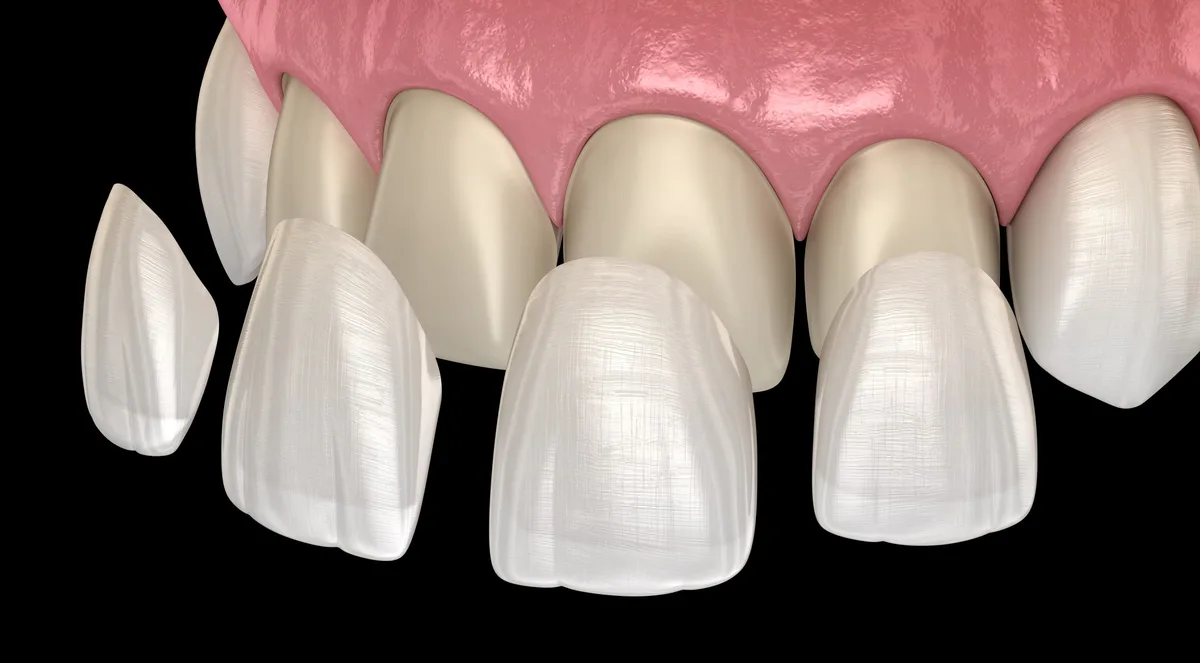
Ever catch yourself daydreaming about a Hollywood smile while sipping flat white at your favourite Red Hill cafe? You’re not alone. Veneers have become the go-to trick for Aussies craving a picture-perfect grin. In trendy Red Hill where brunch dates and rooftop bar selfies are part of the lifestyle local dentists are mastering the art of veneers.
These wafer-thin porcelain or composite shells bond to your teeth’s front surfaces, instantly covering chips, gaps and stains and making your smile look straighter and whiter (think of it like Instagram filters for your teeth).
So, what exactly are dental veneers? Simply put, they’re ultra-thin covers (usually porcelain or resin) that permanently bond to your tooth. They won’t straighten severely crooked teeth or fix your bite, but they’ll cover up minor imperfections and transform worn or discoloured teeth into a more “Instagram-ready” smile.
You can get veneers on just one tooth or a whole bunch whatever your smile needs. The results can be dramatic: dull, yellow teeth can become brilliantly white, small gaps can vanish, and even tiny chips or cracks get masked. It’s like giving your smile a makeover in one visit.
Finding the right cosmetic dentist is key. Luckily, Red Hill (inner-north Brisbane) is home to talented veneer experts. If you’re serious about a smile upgrade, search out a local Veneers Specialist Red Hill for a consultation. These pros can walk you through your options, show you before-and-after mock-ups, and tailor the treatment to your features.
Not all veneers are the same. Two main styles dominate the scene:
Porcelain Veneers:
These are the high-end option – think of them as the Rolls-Royce of veneers. Porcelain (a strong ceramic) mimics natural tooth enamel beautifully. It’s highly stain-resistant, so your new smile will stay bright even if you love red wine or coffee. Porcelain veneers usually require at least two visits.
On the first visit, the dentist will prep your teeth (removing a thin layer of enamel) and take a precise mould or digital scan. A lab then custom-makes your veneers to exactly fit. On a follow-up visit, they bond the finished veneers to your teeth.
The trade-off is cost: porcelain can be pricier (in Brisbane, typically \$1,000–\$2,500 per tooth). But you’re paying for top-notch aesthetics and durability – these can last 10–15 years or more with good care.
Composite Resin Veneers:
These are the budget-friendly, fast-install option. Composite veneers are built from a tooth-coloured resin bonded directly onto your tooth. The big plus? In many cases, a skilled dentist can do them in one appointment.
They sculpt the resin on the spot, shape it and cure it with light, polishing it to a natural finish. Composite is less durable than porcelain – it’s more prone to chipping or staining over time and generally lasts 5–10 years.
But the cost reflects that: you’re looking at roughly \$250–\$600 per tooth in Brisbane (depending on how many teeth and how complex your case is). Many people love composites for quick fixes (covering small chips or gaps) or for trying out the aesthetic before committing to porcelain.
Below is a quick comparison:
| Type | Appointments | Cost (per tooth) | Lifespan |
|---|---|---|---|
| Porcelain | Usually 2 visits (prep + bonding) | \$1,000 – \$2,500 | 10 – 15 years |
| Composite | Often 1 visit (direct application) | \$250 – \$600 | 5 – 10 years |
Some advanced clinics even offer same-day porcelain veneers using CAD/CAM (3D-milling) technology – they take a digital scan, then mill your porcelain veneer right there and then, bonding it in place before you leave. This cuts out the lab wait. It’s like having in-office kitchen gear to bake your cake instead of sending it out to a bakery – super convenient if available.
You might be nervous about dental work, but the veneers process is pretty straightforward (and usually pain-free with local anaesthetic). Here’s the rundown:
Consultation and Planning: First, chat with your dentist about your smile goals. They’ll examine your teeth (maybe take X-rays) to make sure veneers are right for you. This is when you can show inspiration photos or shade charts to pick your ideal whiteness. It’s also a good time to ask questions – your dentist will explain the steps in detail and might show digital images of your future smile.
Teeth Preparation: Once you decide to go ahead, the dentist cleans your teeth and gently reshapes them. For porcelain veneers, this usually means buffing off about 0.5–1.0 mm of enamel so there’s room for the veneer without it feeling bulky. (Composite veneers often need little or no enamel removal.) Next, they take either a physical mould (impression) or a 3D digital scan of your prepared teeth. You might get some temporary veneers at this point if porcelain lab-work is needed.
Veneer Fabrication: Porcelain veneers are custom-crafted in a dental lab to perfectly match your tooth shape and colour. This can take 1–2 weeks. In the meantime, wear the temporaries (if given) to protect your teeth. Composite veneers bypass this waiting period – the dentist can mix and layer the resin right then and there.
Bonding the Veneers: At the next visit, the dentist will fit the finished veneers one by one. They check colour and shape, make any tiny adjustments, then bond them permanently with dental cement. Often a special UV light is used to harden the bonding agent quickly. Afterwards, any final polishing or bite checks are done. You walk out with a transformed smile that same day. It’s a bit like replacing or “capping” your old tooth surface with a flawless shell.
Post-Op: After the procedure, you might feel a bit of gum tenderness or mild tooth sensitivity (especially to cold), but this usually fades in a day or two. Your dentist will typically check your bite and fit, and make sure you’re comfortable. Then you’ll be all set – just flash that new smile!
So, what veneers set you back? As with many things, it varies. Dental fees in Australia aren’t standardized, so each clinic sets its own prices (some might compare a dentist to a barista in a fancy café – every place has its own price menu!). That said, in inner-north Brisbane (Red Hill, Paddington, Ashgrove areas), prices tend to align with city averages:
Composite veneers: Expect roughly \$250–\$600 per tooth. This depends on case complexity and the dentist’s experience. (For example, a Red Hill clinic lists composite from about \$380 per veneer.)
Porcelain veneers: These usually run \$1,000–\$2,000+ per tooth. Again, it depends on material quality, lab fees, and technology used. Some practices might charge even more for high-translucency porcelain.
A general rule: the more teeth you do, the higher the total cost. A full-mouth smile makeover could be tens of thousands of dollars, whereas a small touch-up (say 2–4 teeth) is cheaper. Also consider extra costs like X-rays, professional cleanings beforehand, or sedation if you need it – these can add a bit to the final bill.
If you have private health insurance with dental extras, check your policy. Some cover cosmetic veneers partially, but many only cover a small portion since veneers are often deemed “elective.” Unlike medically necessary crowns, insurance for purely aesthetic work is hit-or-miss. In most cases, plan to pay out-of-pocket. Many patients set up payment plans or use a CareCredit plan to spread costs.
Cost factors to remember:
– Material: Porcelain costs much more than composite.
– Number of veneers: More teeth = bigger bill.
– Dentist’s expertise: A highly experienced cosmetic dentist or specialist might charge premium rates.
– Technology: Clinics with in-house labs/CAD-CAM milling might charge slightly more but save you time.
– Additional work: If you need a gum lift, root canal, or cavity filling first, factor that in.
Think of it as an investment in your confidence and image. Many patients say it’s worth it after all, your smile is one of the first things people notice.
Why do Red Hill locals (and people everywhere) keep choosing veneers? Here are the big wins:
Instant Cosmetic Upgrade: With veneers, imperfections vanish overnight. Stains from coffee, tea or red wine become history. Chips, cracks and even minor misalignments get smoothed out. The result? A uniform, pearly-white smile that looks straight out of a magazine. For anyone eyeing that sharp, youthful grin, veneers are like a magic filter.
Natural-Looking Results: High-quality porcelain is stunningly life-like. It reflects light like natural enamel, so your smile looks authentic – not fake. No one (except maybe your dentist) will know you got help achieving it. Even close-up, porcelain veneers blend seamlessly. Composite resin can also look great when skillfully done, though porcelain is usually the champ for long-term aesthetics.
Stain Resistance: Porcelain veneers resist staining much better than your own teeth. That means your morning flat white or evening pinot noir won’t yellow them easily. Imagine having a set of teeth that stay white year after year with just normal brushing – that’s porcelain at work. (Composite is decent, but it can pick up stains over time, so it might need polishing or replacement sooner.)
Minor Tooth Conservation: Compared to crowns, veneers are conservative. Only a thin layer of enamel is removed, preserving more of your natural tooth. This means your natural tooth structure stays mostly intact, which is healthier in the long run. In fact, composites often need no enamel removal at all, so they’re even less invasive.
Confidence & Lifestyle Boost: Let’s be real – a great smile can open doors. When your teeth look fantastic, you can flash a grin without a second thought. Patients often report feeling years younger and more confident. Whether it’s rocking a Zoom call or turning heads at an apartment party, those confidence points add up. And why not? You deserve to feel awesome about your smile every day.
Low Maintenance: Once on, veneers are easy to live with. Brush and floss as usual, and most dentists recommend seeing your regular dentist for check-ups and cleans every 6–12 months. No special toothpaste or regimen (aside from your standard routine). Basically, treat them like natural teeth: avoid biting pencils or ice blocks, and you’re golden.
In short, veneers are a high-impact, low-effort way to get a celebrity-caliber smile. They’re especially popular for milestone occasions – weddings, graduations, promotions or any moment you want to look your absolute best in photos. Just keep in mind they’re a long-term commitment. With a bit of care (and by being mindful of hard foods and grinding), you’ll reap those benefits for years to come.
Of course, nothing’s perfect – and veneers have some caveats. Here’s what to consider:
Irreversibility: To place a veneer, some enamel is removed. This means the procedure is permanent. Once you go this route, your tooth will always need a veneer or crown – you can’t go back to its untouched state. So make sure you really want it. Think of it like choosing a semi-permanent selfie filter.
Potential Chips or Cracks: Veneers are strong, but they’re not indestructible. Eating very hard or sticky things (think hard lollies, biting fingernails, etc.) can chip a veneer. If that happens, the veneer usually needs repair or replacement. That’s much easier with composite (it can often be patched), but porcelain will mean a new custom piece.
Sensitivity: Right after placement, your teeth might feel slightly sensitive to hot or cold. This is usually mild and short-lived. If enamel was shaved, the tooth can “feel” temperature more. It generally settles down in a few days. Avoid very hot/spicy foods initially, and use a toothpaste for sensitive teeth if needed.
Not For Everyone: Dentists often say veneers aren’t the best if you have untreated gum disease, severe tooth decay or really aggressive teeth grinding (bruxism). Those issues should be managed first. If you’re a grinder, your dentist will likely recommend a nightguard to protect your veneers (and teeth) while you sleep.
Lifetime and Replacements: No veneer lasts forever. Porcelain can go 10–15 years or more; composites often need replacement after 5–7 years. After that, you’d repeat the process on that tooth. Keep up good oral hygiene, and your dentist can monitor wear over time.
Cost of Touch-Ups: Remember, a chip or severe stain means an extra dentist trip. Factor in possible future costs for repairs or new veneers down the track. Again, most patients feel it’s worth it for that confident smile, but it’s good to budget for maintenance (maybe every decade or so).
Regarding aftercare, it’s pretty straightforward:
Brush and Floss Regularly: Use a soft-bristle brush and non-abrasive toothpaste. Brush twice a day and floss daily just like before. Veneers won’t get cavities, but the teeth underneath still can if you’re sloppy.
Avoid Bad Habits: Don’t use your teeth as tools (no bottle-openers!), and avoid biting extremely hard objects. If you grind at night, definitely get that guard.
Watch Staining Foods: Porcelain resists stains, but composite can gradually absorb colour from coffee, tobacco or curry. Rinsing or brushing after colorful meals helps keep composite veneers bright.
Regular Dental Visits: See your dentist every 6–12 months for check-ups and cleans. They’ll make sure your veneers are intact, gums are healthy, and everything is stable. If a veneer starts wearing out or loosening, catching it early can save bigger problems.
For the nitty-gritty details, official health sources back this up. The Victorian government’s Better Health Channel (a reliable Aussie health info site) defines a veneer as “a thin covering over the outer surface of the tooth” and notes that veneers can “chip, break or stain at the margins” and might need replacing. Essentially, once you start on veneers, your dental maintenance becomes even more important.
If you ever have questions or doubts about aftercare, ask your dentist. They want your veneers to last too, and will give you personal tips (like recommending special night-guards or electric toothbrushes if you need them).
Getting veneers is a big decision, but it’s one that can truly change how you feel about your smile. For Red Hill residents chasing that confident, camera-ready look, veneers offer a powerful shortcut. They’re not cheap or reversible, but for many people they’re worth every cent for the self-esteem boost alone.
If you’re considering veneers, take these next steps: Do your research (like you’re doing now!), chat with your regular dentist or a cosmetic dental specialist, and weigh the pros and cons. Remember, good things often take a little investment. Once you’ve prepared and planned, you could end up with a brilliant smile you’ll love showing off.
Ready to transform your smile? Book a consultation with a trusted cosmetic dentist in Red Hill today. Whether it’s porcelain or composite veneers, a friendly expert can guide you through the process, answer your questions, and help you achieve the confident grin you deserve. Don’t wait – your best smile could be just an appointment away!
Dental veneers are ultra thin shells made from porcelain or resin that bond to the front of your teeth. They cover chips, stains, and gaps, giving you a brighter and more even smile instantly.
In Red Hill, composite veneers usually cost around $250 to $600 per tooth, while porcelain ranges from $1,000 to $2,000 or more. The final price depends on how many teeth you treat and the prep work needed.
Porcelain veneers look more natural, resist stains, and last longer, often 10 to 15 years or more. Composite veneers are quicker and more affordable but may stain and usually last around 5 to 10 years.
Yes. Teeth whitening works well for stains, while dental bonding fixes small chips or gaps. For alignment issues, clear aligners or braces may offer a better long term solution.
Porcelain veneers generally last 10 to 15 years, while composite ones last about 5 to 10 years. Good oral care and regular dental visits help extend their lifespan.
Not really. Your dentist numbs the area, so you will not feel pain during the process. You might notice mild sensitivity afterward, but it usually settles within a couple of days.
Brush twice daily, floss regularly, and avoid biting hard objects like ice or pens. If you grind your teeth, a nightguard helps protect your veneers and keeps them looking great.
 27Jul
27Jul
 24Jul
24Jul
 22Jul
22Jul