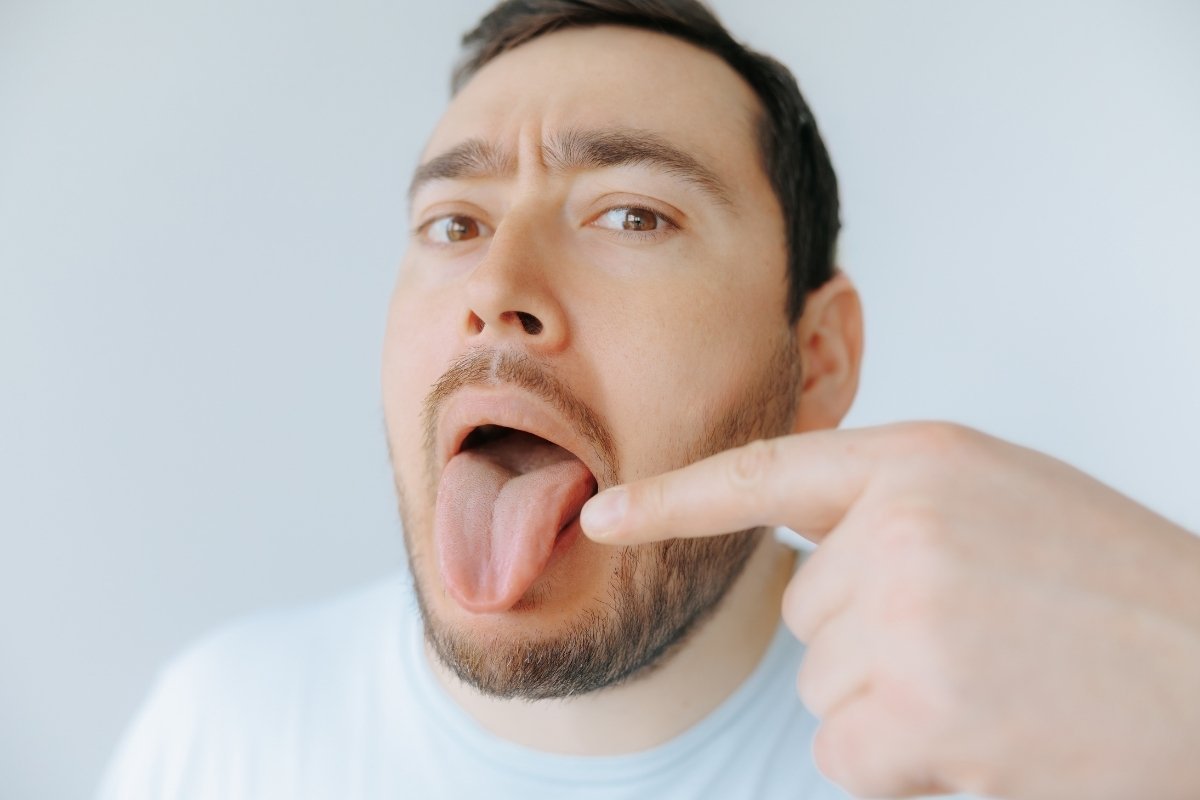
Burning Tongue Syndrome: Dental Causes You Shouldn’t Ignore
Ever woken up feeling like you actually devoured a barbie before bedtime, even though it was just a toasted sandwich? That’s your tongue on fire...

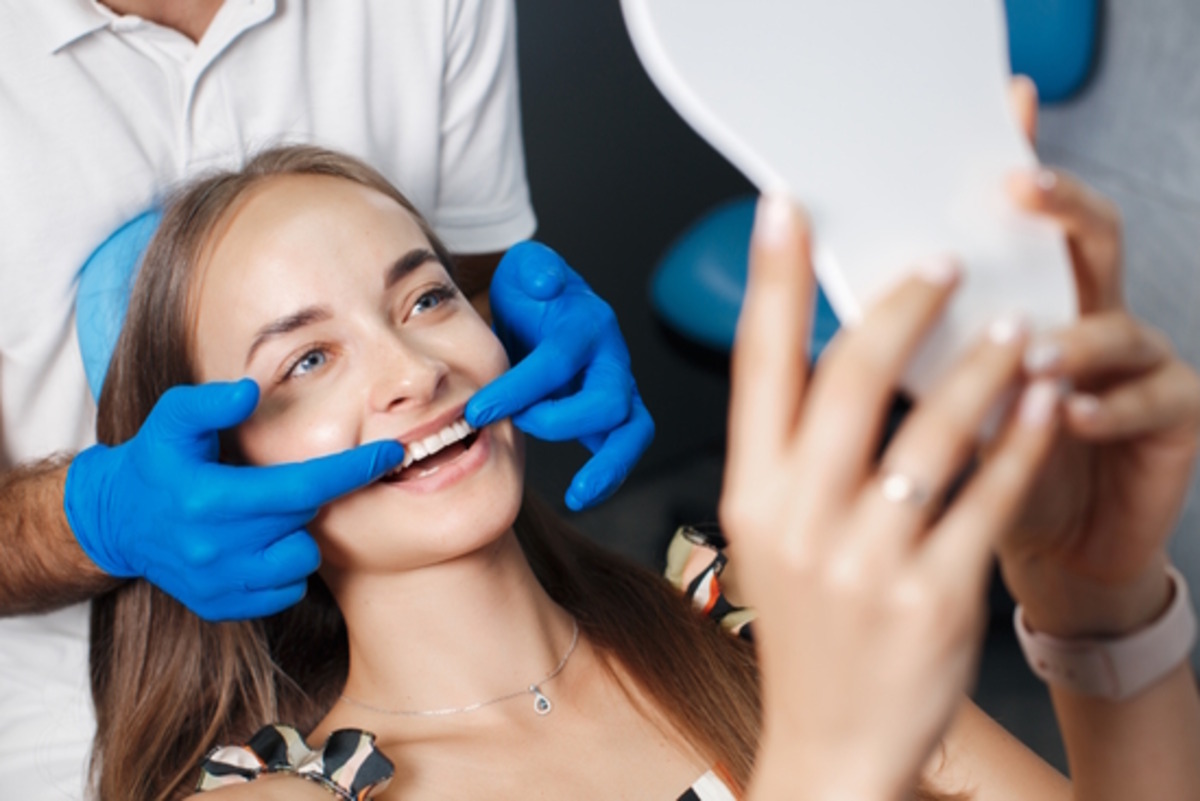
In the quest for a brilliant smile, I’ve found myself late at night with a mouthful of whitening gel and a phone in hand, scouring ads promising an instant red-carpet grin. Those glossy Insta-kit commercials sure look tempting, but do they actually work?
Here in Brisbane where a confident grin can make your day – let’s have a relaxed, Aussie-style chat about it. We’ll dive into home teeth whitening (those kits you use in your kitchen) versus in-clinic teeth whitening (the powered-up polish your dentist does), weighing the pros, cons, and the actual results.
By the end, you’ll know exactly what to expect from each. Spoiler: one might suit your lifestyle (and wallet) better than the other, and I’ll tell you which one that is.
Using a dentist-provided at-home kit is a bit like having a mini bleaching lab at your kitchen sink. You visit the dentist first, and your dentist takes impressions of your teeth to make custom-fit plastic trays. They also give you a syringe of whitening gel (usually carbamide peroxide) that fits perfectly in those trays.
At home, you load the gel into your trays and wear them as instructed – often 30 minutes to a few hours daily over one or two weeks. The concentration of peroxide is milder than in-chair gels (think ~10–20% carbamide peroxide). This means your teeth gradually lighten over days or weeks, not instantly.
I’ve seen many patients who love this middle-ground. One friend tried supermarket strips for months with barely a change, then did a dentist kit and noticed a difference in about a week. It’s that jump in power that makes a big difference.
Just a heads-up: anything you can buy over the counter (strips, LED lights, whitening toothpaste) only contains mild bleach – it’ll just give a faint glow. For anything stronger, you need a dentist’s prescription-strength treatment.
In fact, searching Professional Teeth Whitening Brisbane will point you to local cosmetic dentists offering both high-power in-chair whitening and dentist-approved home kits.
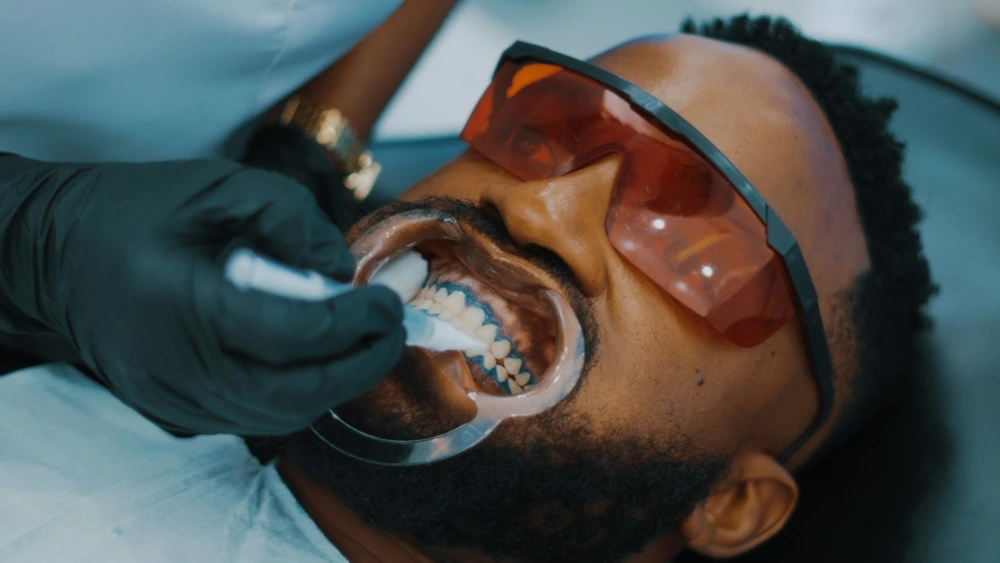
In-clinic whitening is where your dentist steps in with the big guns. You sit in the chair, and your dentist applies a professional-strength whitening gel (often 25–40% hydrogen peroxide) to your teeth.
A special blue LED or laser light accelerates the process. A typical session is about 60–90 minutes total, usually split into three 20-minute gel-and-light cycles.
The power of this approach is obvious: many patients leave with their teeth several shades whiter in just one visit. Your dentist can also apply desensitiser or pause the treatment if you start to feel twinges (sensitivity is managed on the spot).
In short, in-clinic whitening is like putting your teeth under a spotlight on stage. It’s fast, dramatic, and 100% dentist-controlled. For me, it felt like a spa moment for my smile – intense in the chair, but the result had me grinning like a Cheshire cat by the time I left.
For context, Australia’s HealthDirect site notes that strong teeth whitening gels (over 6% peroxide) can only be used by registered dental professionals – so pharmacy kits are always milder by law. So, which method should you pick? Honestly, it comes down to your priorities:
At the end of the day, either route will whiten your teeth more than neglect. It’s not one-size-fits-all. My simple rule of thumb: home whitening is great for a steady boost and maintenance, while in-clinic whitening is the turbo-charged shot when you want immediate, dramatic results.
And yes, I often tell my mates: “When in doubt, book a consultation.” A quick check-up can measure your starting shade, discuss your goals (how white is “white enough” for you?), and tailor the plan. Getting professional advice first is the best way to make sure your smile doesn’t end up a shopping-cart white or a smurf blue.
| Feature | Dentist-Prescribed Home Kit | In-Clinic Whitening |
|---|---|---|
| Bleaching agent | ~10–20% carbamide peroxide | ~25–40% hydrogen peroxide |
| Session duration | 30–120 min daily for ~1–2 weeks | 60–90 min in a single visit |
| Results timeline | Noticeable in 1–2 weeks | Immediate (same-day) |
| Shades of improvement | 4–6 shades lighter | 6–8 shades lighter |
| Dental supervision | Designed by dentist, done at home | Fully supervised in office |
| Cost (Brisbane) | ~$250–$500 per kit | ~$400–$800 per session |
| Convenience | Do at home on your schedule | One appointment required |
| Sensitivity | Mild, manageable | May be higher but managed on-site |
Ultimately, both options can give you a whiter smile, the right choice depends on your needs. If you want fast, dramatic results and don’t mind spending more, an in-chair session is the way to go. If you prefer to whiten gradually on your own schedule (and save some cash), a dentist-provided home kit is a great solution.
Whatever you choose, remember to consult a professional first. In our Paddington clinic, we offer tailored teeth whitening plans, from quick LED sessions to convenient take-home trays. Ready to show off a brighter smile? Give us a call or book a consultation, and let’s get your teeth shining!
Are dentist-prescribed home teeth whitening kits safe?
Yes, they are safe when you follow your dentist’s instructions. The gel strength stays controlled, and custom trays reduce gum irritation.
How long does teeth whitening last?
Results usually last 6–18 months, depending on your diet and habits like coffee, wine, or smoking.
Does teeth whitening damage enamel?
No, professional teeth whitening doesn’t damage enamel when done correctly. You may feel slight sensitivity, but it fades quickly.
Which works better: home or in-clinic teeth whitening?
In-clinic gives faster, stronger results, while home treatments offer gradual whitening with more flexibility.
Can whitening remove deep stains?
In-clinic treatments work better for deep stains. Home kits help, but results take longer and may be less dramatic.
How often can I whiten my teeth?
Most people whiten once a year, with small touch-ups in between. Your dentist can guide you based on your needs.
 27Jul
27Jul
 24Jul
24Jul
 22Jul
22Jul