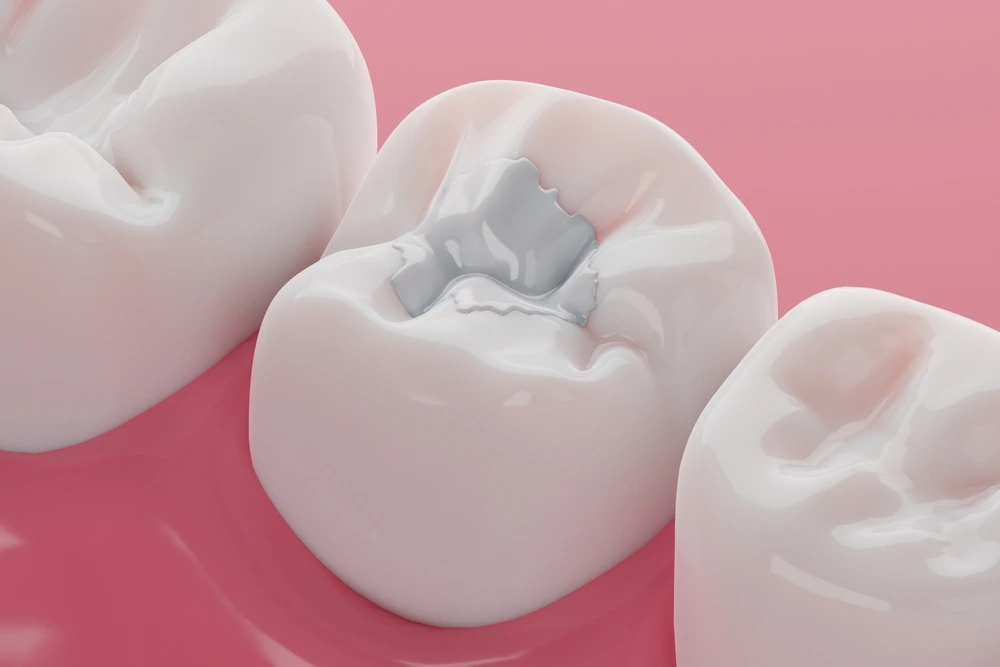
Why Your Composite Filling Hurts And How to Fix It
A sharp sting after a dental visit can feel confusing. Pain after a Composite Filling often raises concern quickly. However, this reaction does not always signal a serious issue. Sensitivity, pressure, or dull aches may appear within hours. Sometimes, discomfort lingers longer than expected. That experience can disrupt eating, drinking, and even sleep.
Even with the great materials we have in modern dentistry, you can still have minor reactions. Things like tooth sensitivity, a bite that feels off, or an irritated nerve can cause real pain. That’s exactly why you’ve got to pin down what is actually causing the problem. Once you know what’s going on, it’s a lot easier to stop worrying and take the right steps to fix it.
This guide walks you through why you might be feeling some Composite Filling discomfort. If you’re experiencing persistent issues, consulting a Trusted cosmetic dentist in Ashgrove can help identify the root cause quickly. We also dive into some real-world ways you can get it sorted out. Each section breaks down causes, solutions, and prevention tips. The aim stays simple: better comfort and confident smiles.
Common Causes of Composite Filling Pain
Pain after a Composite Filling often links to the natural tooth response. The inner tooth layer reacts when disturbed. This reaction leads to short-term sensitivity. Cold drinks or hot meals may trigger sharp sensations.
Another common cause involves bite alignment. A filling that sits slightly high creates pressure. That uneven contact stresses the tooth structure. As a result, chewing becomes uncomfortable.
Tooth nerve irritation also plays a role. Deep cavities place fillings close to nerves. Therefore, mild inflammation may develop. This condition produces lingering discomfort.
Additionally, bonding materials shrink slightly during curing. This shrinkage can pull on tooth walls. Consequently, tiny gaps may form. These gaps allow temperature changes to affect nerves.
Signs That the Filling Needs Attention
Some symptoms suggest that a Composite Filling requires professional review. Persistent pain beyond a few days stands as a warning. Occasional discomfort may be normal, but constant pain is not.
If you feel a sharp pain every time you bite down, it usually means the filling is a bit too high. This uneven pressure puts too much stress on the tooth. That is why chewing starts feeling really awkward or just plain painful.
Sensitivity that worsens over time also signals concern. Instead of improving, the tooth reacts more intensely. That pattern suggests deeper irritation.
Getting a crack or a tiny fracture in the filling is another big headache. These little gaps are basically an open door for bacteria to sneak inside. Consequently, infection risk increases. Bad taste or swelling may also appear. These signs often link to an underlying infection. Immediate care becomes necessary in such cases.
Effective Ways to Fix Composite Filling Pain
Relief begins with identifying the exact cause. Minor sensitivity often fades within days. Using a desensitizing toothpaste can help reduce discomfort quickly.
Dentists may adjust the filling if there are bite issues. This simple correction removes excess pressure. As a result, chewing becomes comfortable again.
For nerve irritation, anti-inflammatory care may be recommended. In some cases, further treatment becomes necessary. Still, most of these issues clear up without any real drama. Staying away from super hot or ice-cold drinks definitely helps while you’re recovering. Soft foods reduce pressure on the affected tooth. Therefore, healing occurs faster.
Proper oral hygiene also plays a key role. Clean teeth reduce bacterial buildup. Consequently, the risk of infection decreases. In more serious cases, the filling may need to be replaced. Dentists ensure better sealing and alignment during replacement.
Prevention Tips for Future Composite Fillings
Stopping dental filling pain actually starts before you even sit in the chair. Picking a dentist who really knows what they’re doing is the best way to make sure the placement is spot on. Skilled handling reduces complications significantly.
Good oral hygiene lowers cavity risk. Fewer cavities mean fewer fillings. This is how you actually improve your dental health over the years. Getting regular checkups helps catch any potential problems before they get serious. Early treatment avoids deep cavities. This approach reduces nerve exposure risks.
Avoid hard foods immediately after a Composite Filling. The material needs time to settle properly. Gentle care protects the restoration.
Additionally, using a mouthguard helps those who grind their teeth. Grinding places stress on fillings. Protection ensures durability and comfort.
When to Visit a Dentist Immediately
There are times when you just can’t wait for an appointment. If you’re stuck with cavity filling discomfort so bad that you can’t even get through your daily routine, you really can’t just ignore it. Quick intervention prevents complications.
Swelling around the tooth indicates an increased risk of infection. This condition demands immediate attention. A loose or broken Composite Filling also needs urgent repair. Delays allow further damage. Bleeding or pus discharge indicates a serious infection. Professional care becomes essential at once.
For trusted guidance, refer to this resource: dental care standards. Timely action ensures better outcomes and protects overall oral health.
Normal vs Problematic Composite Filling Pain
Condition
Normal Response
Problematic Response
Duration
Few days
More than one week
Sensitivity
Mild, improving
Severe, worsening
Pain while biting
Slight discomfort
Sharp or intense pain
Swelling
None
Visible swelling present
Action Needed
Home care
Dentist visit required
How Diet Affects Composite Filling Sensitivity
What you eat makes a huge difference in how a Composite Filling feels. Some foods are notorious for causing tooth sensitivity after filling, especially right after the appointment. Cold drinks, sugary snacks, and acidic meals increase irritation. Therefore, avoiding these items helps reduce dental filling pain.
Soft foods support healing during the early phase. Items like yogurt, rice, and steamed vegetables reduce pressure. Consequently, the tooth remains stable while adjusting.
Sticky foods also create problems. They pull on the filling surface, potentially weakening bonding. This action increases discomfort during cavity filling over time. Hydration supports oral balance and reduces irritation. Drinking water neutralizes acids and protects enamel.
Eating right is the best way to get a good result that lasts. Making smart choices with your food means you’ll deal with fewer filling adjustment issues and do a much better job of protecting your teeth.
Role of Oral Hygiene in Preventing Filling Pain
Oral hygiene directly affects the success of Composite Filling. Poor cleaning habits increase bacterial growth around the filling. As a result, dental filling pain may return or worsen.
Brushing twice daily removes plaque and protects the treated tooth. Gentle brushing prevents damage while maintaining cleanliness. Therefore, sensitivity remains under control. Flossing reaches areas that brushing cannot access. This step prevents food buildup near the filling edges. Consequently, the risk of infection decreases.
Using fluoride toothpaste strengthens enamel and reduces tooth sensitivity after filling. It also supports long-term durability. Regular rinsing with antibacterial mouthwash adds extra protection. Clean habits reduce cavity-filling discomfort and effectively prevent future complications.
Conclusion
Composite Filling discomfort can feel unsettling. Most of the time, things settle down fast with just a bit of simple care. Knowing why it hurts helps you handle the symptoms. Acting quickly is the best way to keep complications at bay and make sure you actually stay comfortable for the long haul.
Healthy habits and regular checkups reduce future risks. Attention to bite alignment and hygiene improves outcomes.
For lasting relief and expert care, professional evaluation remains essential. Get a quote today or contact us today – a dental expert. Quick action ensures comfort, confidence, and a healthy smile.
Frequently Asked Questions
1. Why does Composite Filling hurt after treatment?
You usually get pain because of tooth sensitivity, an irritated nerve, or just too much bite pressure. A bit of mild discomfort is totally normal and typically goes away in a few days if you look after it.
2. How long does Composite Filling pain last?
Most discomfort lasts a few days. But if the pain is still there after a week, it might be a sign that you need to get a dentist to take another look.
3. Can a high filling cause pain?
Yes, uneven filling height creates pressure during chewing. This condition causes sharp pain and requires quick adjustment by a dentist.
4. What helps reduce tooth sensitivity after filling?
Using a desensitizing toothpaste, skipping the hot or cold meals, and keeping up with your brushing are the best ways to cut down sensitivity and get back to normal faster.
Nearly invisible, removable aligners, 3D-scanned and planned in-house by our Paddington dentist. Book a free consult and we'll tell you if Spark suits your teeth and give you an exact quote.

 27Jul
27Jul
 24Jul
24Jul
 22Jul
22Jul