Burning Tongue Syndrome: Dental Causes You Shouldn’t Ignore
Ever woken up feeling like you actually devoured a barbie before bedtime, even though it was just a toasted sandwich? That’s your tongue on fire...

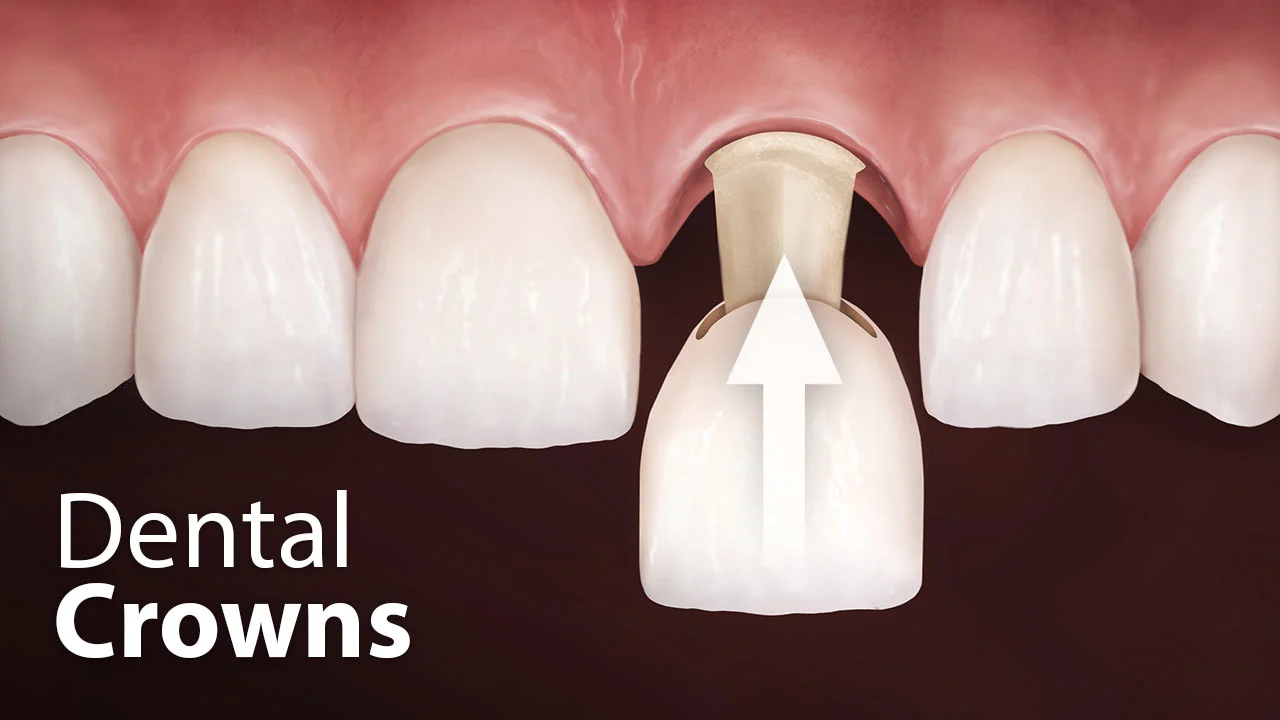
If you’ve ever chipped a tooth into your favorite steak or woke up with a twinge in a cracked molar, you know the struggle of choosing the right dental crown. Deciding between a shiny metal cap or a natural-looking porcelain crown can feel like comparing boots to stilettos – one is rugged, the other refined.
In Red Hill, you want a solution that protects your tooth and feels good in your mouth. Let’s break down the difference so you can pick the best fit for your smile.
Dentists often recommend crowns in situations like these:
These scenarios show just how versatile crowns are – they’re essentially a custom-made cap that sandwiches over your tooth to restore function and look. If you’re pressed for time, some clinics even offer same-day dental crowns for Red Hill patients so you can get a new cap in one visit, no waiting around.
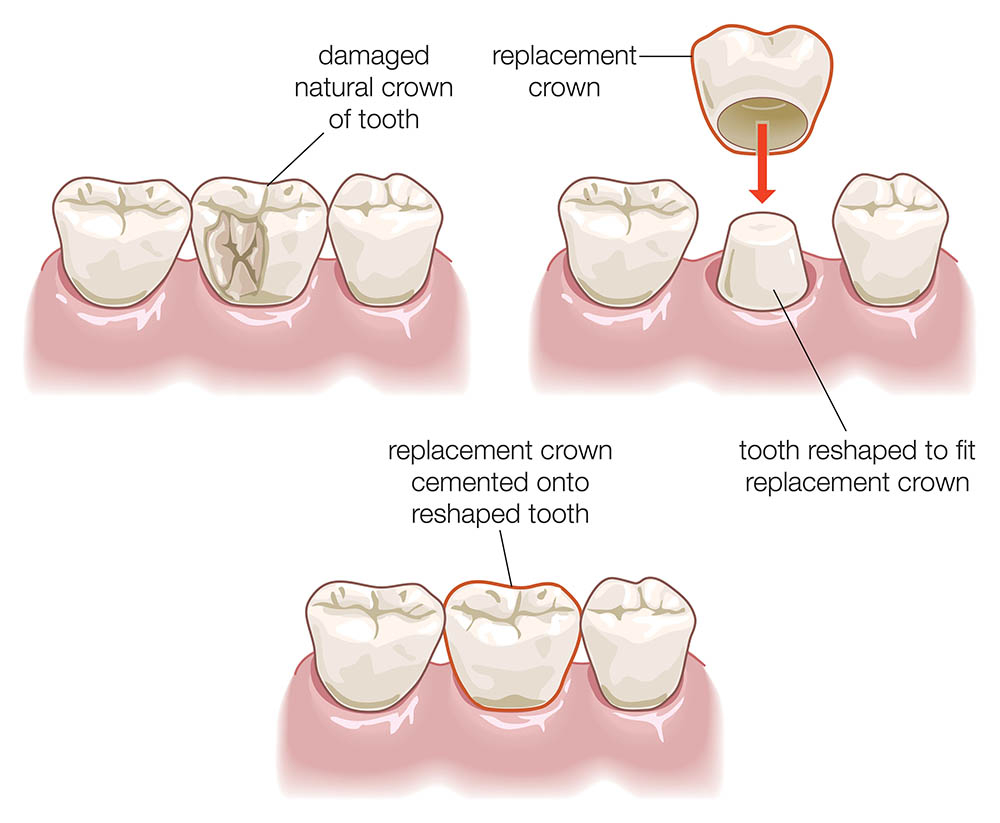
So, what is a dental crown? Think of it like a snug thimble or helmet for your tooth. If a tooth is too damaged for a simple filling, your dentist will trim it down and slip a cap over it to bring back chewing power.
Crowns are made from different materials – for example, Australia’s HealthDirect notes that crowns can be porcelain, zirconia, gold alloy or a combo of porcelain and metal. The goal is the same: cover the vulnerable tooth and help it last longer.
In practice, getting a crown usually goes like this:
1. Assessment: Your dentist checks if a crown is needed and talks you through options.
2. Preparation: They numb the area, shape down the tooth, and take an impression or digital scan.
3. Design: A custom crown is made (in a lab or with a same-day milling machine) to fit your bite and match tooth color.
4. Placement: The new crown is fitted, adjusted for comfort, and cemented in place.
Each step is done carefully so the crown feels like it’s always been part of your mouth. The result? You regain a strong, natural-looking tooth.
When you think aesthetics, porcelain crowns steal the show. Porcelain (a type of ceramic) can be color-matched to your teeth, giving a very lifelike result. Here’s the lowdown on porcelain crowns:
But, porcelain has its quirks. Unlike metal, porcelain can chip or crack if you’re hard on it (think ice-chewing or a sudden knock). If you grind your teeth at night or often bite down on hard stuff, porcelain might wear faster. It also usually means shaving away a bit more of your natural tooth to make enough room for the crown. Oh, and it’s generally pricier – you’re paying for that perfect match and lab work.
Analogy time: A porcelain crown is like a finely tailored dress for your tooth – it looks fantastic but needs a bit more care.
In short, porcelain crowns shine in visible front teeth or any spot where looks matter most. They give your smile a friendly, natural vibe.
Metal crowns (usually made of gold alloy or other metal blends) are the heavyweight champs of durability. Here’s what you should know:
On the flip side, metal crowns don’t win any beauty contests. They’re obviously shiny and metallic, so they’re usually hidden in the back molars where they won’t show when you smile.
Some people might feel a slight sensitivity to hot and cold at first (metals conduct temperature), but it usually settles down quickly. And yes, if you have a known metal allergy, discuss that with your dentist – they might choose a different alloy or avoid metal altogether.
Witty take: Think of metal crowns as indestructible gumboots – they might not be the prettiest, but they get the job done day in, day out.
Here’s a quick table to compare porcelain (ceramic) crowns and full metal crowns:
| Feature | Porcelain (Ceramic) Crown | Metal Crown (Gold/Base Metal) |
|---|---|---|
| Look (Aesthetics) | White/tooth-coloured, blends naturally | Shiny metallic, noticeable in the mouth |
| Strength | Good, but can chip under heavy force | Very high, withstands heavy chewing |
| Tooth Prep | More tooth must be removed | Less tooth removed (thinner crown) |
| Durability | 10–15+ years if cared well | 20+ years (even longer for gold) |
| Best Use | Front/visible teeth | Molars/back teeth (out of sight) |
| Cost Estimate | Higher (advanced materials/lab work) | Lower (especially base metals; gold costs more) |
| Allergies | Metal-free options, generally hypoallergenic | Some alloys may irritate (nickel, etc.) |
Overall, porcelain crowns offer top-notch appearance – ideal for a confident grin when you chat with friends. Metal crowns offer rock-solid function – ideal for powering through steaks, nuts or whatever life throws at your molars.
Cost is often a key factor in crown decisions. In Brisbane (including Red Hill), porcelain and ceramic crowns typically range in the mid-to-high hundreds or low thousands of dollars per tooth, depending on the lab work and technology used. Metal crowns (especially non-gold ones) can start a little lower, but gold alloys may bump up the price.
To give ballpark figures (always confirm with your dentist): a porcelain/ceramic crown might run around $1,300–$2,000+, while a standard metal crown might start around $1,100 (and a high-gold one higher). Factors like the exact tooth location, the extent of damage, and even how busy or expensive the clinic is can shift these numbers.
If you have private health insurance, check your extras cover – many funds include some rebate for dental crowns. Dentists often provide an item code so your fund can calculate your rebate. Unfortunately, Medicare doesn’t usually cover routine crowns, so it’s largely an out-of-pocket expense unless you have other subsidies (e.g. veteran benefits).
Key cost factors:
Budget tip: If the natural look isn’t essential (and it often isn’t for back teeth), a metal crown can save money in the short term. But porcelain avoids any metal line at the gum and is worth it if you smile a lot.
Choosing between porcelain and metal crowns comes down to what you value more: beauty or brawn? Porcelain crowns give you that ceramic-smooth, undetectable finish – perfect if your tooth is on display. Metal crowns give you peace of mind with extra strength for the long haul – great for molars and heavy chewers.
Both types have decades of use in dentistry, and with good home care (brushing, flossing, regular check-ups), your new crown should last many years (the HealthDirect Australia guide even notes that crowns can “last for many years” if well cared for).
There’s no one-size-fits-all answer. Talk it over with your dentist: mention what matters most to you (winning smile vs durability vs budget) and they’ll guide the choice. Remember, modern dentistry even offers hybrids like porcelain-fused-to-metal (PFM) or zirconia options that blend the pros of each material.
Ready to restore your smile? Don’t let a damaged tooth hold you back. Chat with a trusted Red Hill dentist – they’ll explain your crown options in plain English and help you find the right fit. Whether you need a quick fix with a same-day crown or a hand-crafted porcelain cap, there’s a solution waiting to get you chewing comfortably again. Reach out today and take the first step towards a stronger, brighter bite!
Q: What is the main difference between porcelain and metal dental crowns?
A: The biggest difference is appearance and strength. Porcelain crowns look just like natural teeth (they’re tooth-coloured), making them ideal for front teeth. Metal crowns are silver or gold in color but are much stronger under heavy chewing. Porcelain wins on looks; metal wins on durability.
Q: Which crown is better for front teeth?
A: Typically, porcelain (or all-ceramic) crowns are better for front teeth because they match the tooth colour and translucency. You can even tint them to blend perfectly with your smile. Metal crowns, while strong, usually aren’t used on visible front teeth unless bonded with porcelain overlay.
Q: Do dental crowns last a lifetime?
A: Most crowns last many years, but not usually a lifetime. With good oral hygiene and habits, a crown can last 10–15+ years for porcelain, and 15–30 years or more for metal (especially gold). Eventually, wear, gum changes, or accidents might require a replacement.
Q: Are porcelain crowns safe for people with metal allergies?
A: Yes, porcelain crowns can be made without any metal parts, so they are suitable for people sensitive to metals. Even porcelain-fused-to-metal crowns have a ceramic exterior. If you have a known nickel or metal allergy, mention this – your dentist will use a fully ceramic crown or a hypoallergenic alloy.
Q: How do I know if I need a dental crown?
A: Signs you might need a crown include a tooth with a large filling, a crack or fracture, a root canal-treated tooth, or a badly worn tooth. Your dentist will usually x-ray and examine your tooth. If a filling isn’t enough to keep the tooth intact, they’ll recommend a crown to prevent more damage.
Q: How much do dental crowns cost in Australia?
A: Crown costs vary, but in Australia you might expect something around $1,300–$2,000+ for a ceramic crown and $1,100+ for a metal crown. These are ballpark ranges. Your final quote will depend on material, clinic, and any extra work needed.
Q: Does private health cover dental crowns?
A: Private health insurance in Australia often covers some portion of dental crowns if you have suitable extras cover. The rebate depends on your level of cover and the crown item number. Always check with your fund and dentist beforehand. Medicare generally doesn’t cover routine crowns.
Q: What is a same-day dental crown?
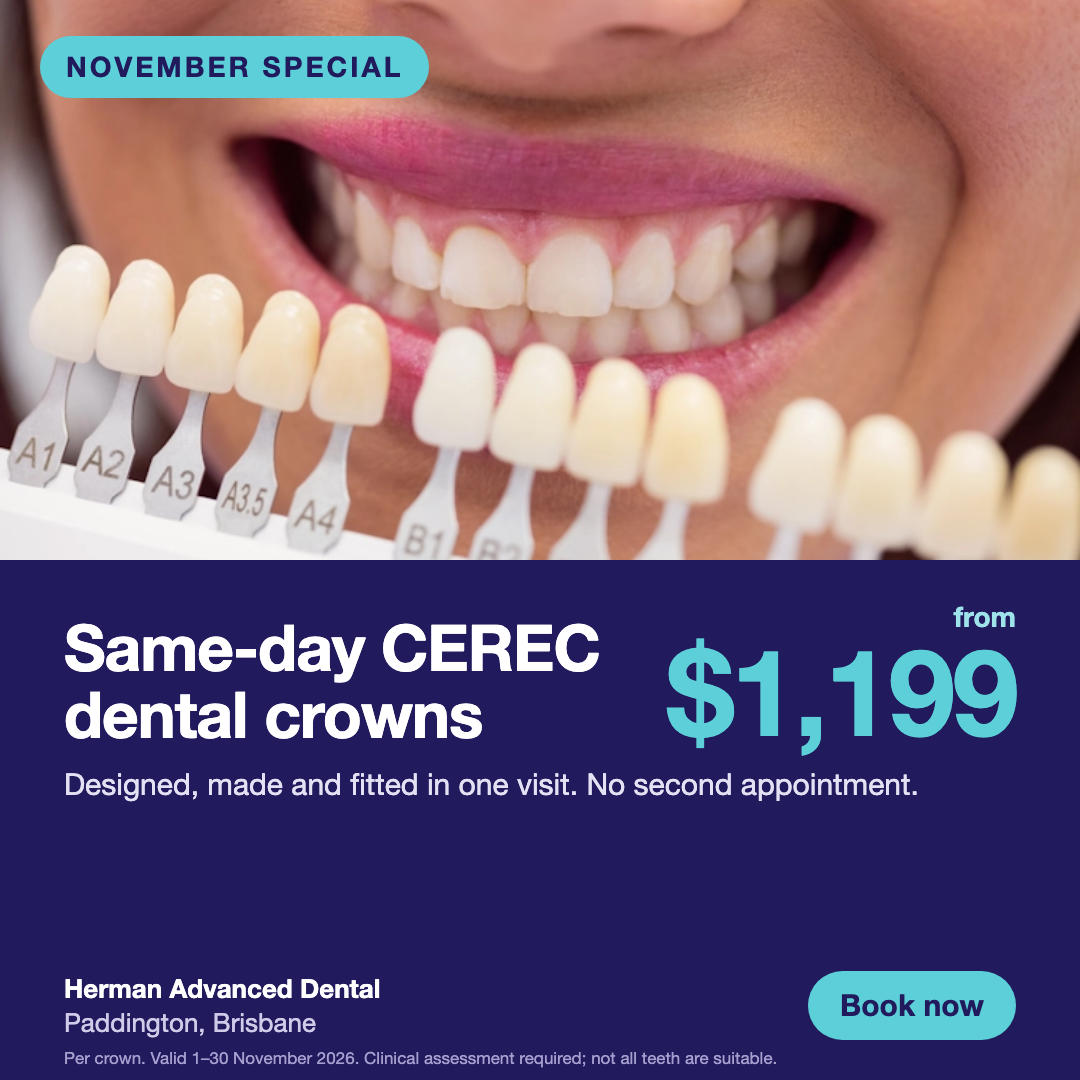
A: A same-day crown is made and fitted in a single appointment using digital scanning and milling machines (often called CEREC). Instead of getting a temporary crown and waiting weeks, you get the final crown on the spot. This is great for convenience, though not every case is suitable.
 27Jul
27Jul
 24Jul
24Jul
 22Jul
22Jul