Burning Tongue Syndrome: Dental Causes You Shouldn’t Ignore
Ever woken up feeling like you actually devoured a barbie before bedtime, even though it was just a toasted sandwich? That’s your tongue on fire...

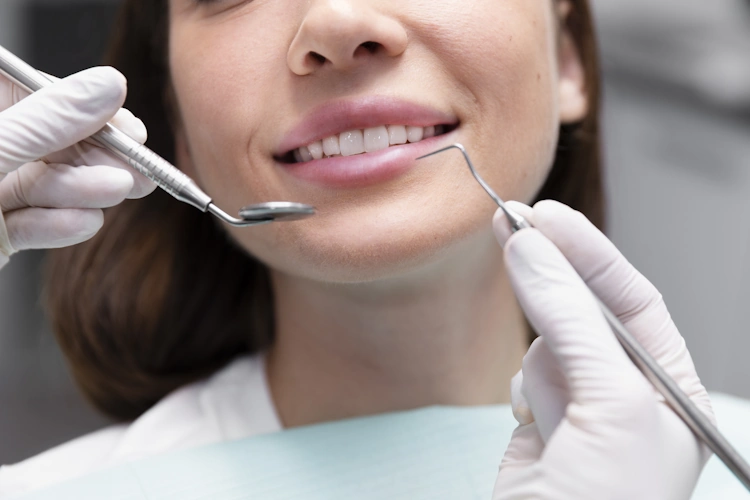
You know that fresh, smooth-teeth feeling after a proper dental clean? It’s like your mouth just had a tiny spa day — minus the cucumber water and awkward robe. In Brisbane, where coffee runs, weekend brunches, and Queensland humidity all have their say, a regular Scale and Clean can do more than polish your smile. It can help keep your teeth, gums, and breath in better shape.
I get it, though. Booking a dental clean can feel like one of those “I’ll do it next week” jobs. You brush, you floss sometimes, and nothing hurts, so surely everything’s fine, right? Not always. Plaque and tartar are quiet operators. They build up slowly, sit around your gumline, and can start causing trouble before you even notice.
If you want a fresher smile and healthier gums, booking with the Best scale and clean dentist in Brisbane can help you understand what’s happening in your mouth and what kind of clean your teeth actually need. A good dental clean doesn’t just make your teeth look better — it helps protect your long-term oral health.
A Scale and Clean is a professional dental cleaning treatment that removes plaque, tartar, and stains from your teeth. Think of plaque as the soft, sticky film that builds up after eating and drinking. If you don’t remove it properly, it hardens into tartar. Once tartar forms, your toothbrush can’t shift it. No amount of aggressive brushing in the bathroom mirror will win that battle.
During a dental scale and clean, your dentist or hygienist uses special tools to clean around the gumline, between teeth, and on tooth surfaces. They then polish your teeth so they feel smooth and fresh.
This treatment often forms part of a regular dental check-up and clean. It helps prevent gum disease, tooth decay, bad breath, and staining. Simple? Yes. Powerful? Absolutely.
Brisbane life can be busy. You might start the day with a flat white, grab lunch on the go, sip sparkling water at work, and finish with a late dinner in West End or Fortitude Valley. Your teeth come along for the ride.
Over time, everyday habits can leave plaque and stains behind. Coffee, tea, wine, soft drinks, smoking, and even some healthy foods can affect your teeth and gums. A Scale and Clean gives your mouth a reset.
According to Healthdirect’s dental care guidance, regular dental visits and daily brushing and flossing help protect oral health. That advice might sound basic, but basics win games — and teeth are no different.
A regular clean also helps your dentist spot early signs of issues. Small gum inflammation today can turn into a bigger problem later if you ignore it. I always say: your gums whisper before they shout. A check-up helps you listen early.
The cost of a Scale and Clean in Brisbane can vary depending on the clinic, your oral health, and whether you need a basic clean or a deeper clean.
Many Brisbane dental clinics offer a check-up, scale, clean, polish, and fluoride treatment as one package. If you haven’t seen a dentist in years or you have heavy tartar buildup, your appointment may take longer and cost more.
Here’s a simple guide:
| Type of Appointment | What It May Include | Typical Cost Range in Brisbane |
| Basic Scale and Clean | Plaque removal, polish, general clean | $120–$200 |
| Check-up and Clean | Exam, scale, polish, fluoride | $180–$300 |
| X-rays + Clean | Check-up, X-rays, scale, polish | $250–$400 |
| Deep Cleaning | Gum treatment, below-gum cleaning | $300+ per section or visit |
Prices can change between clinics, so always ask for a clear quote before treatment. If you have private health insurance, your extras cover may reduce your out-of-pocket cost. Some plans cover preventive dental cleans fully or partly, depending on your policy.
Simple tip: Call the clinic and ask, “What does your scale and clean include?” That one question can save confusion later.
A Scale and Clean usually feels straightforward. You sit back, open wide, and let the dental team do their thing. No drama. No mystery.
Here’s what usually happens:
Your dentist checks your teeth, gums, bite, and mouth. They look for decay, gum inflammation, cracks, wear, and any signs of infection. This step matters because cleaning alone doesn’t tell the full story.
Next comes scaling. Your dentist or hygienist removes plaque and tartar from around your teeth and gumline. They may use an ultrasonic scaler, which makes a buzzing sound and sprays water. It feels a bit odd at first, but most people handle it easily.
After scaling, they polish your teeth with a gritty paste. This smooths the tooth surface and removes light stains. It also gives you that “fresh from the dentist” feeling that makes you run your tongue across your teeth 47 times on the way home.
Some appointments include fluoride. It helps strengthen enamel and protect against tooth decay. Your dentist may recommend it if you have sensitivity, early decay risk, or weaker enamel.
A good dentist won’t just clean your teeth and send you out the door. They’ll explain what they found and show you how to improve your brushing, flossing, or interdental cleaning.
For most people, a Scale and Clean doesn’t hurt. You may feel scraping, vibration, water spray, or mild pressure. If your gums feel inflamed or sensitive, you might notice tenderness during the clean.
If you haven’t had a dental clean for a long time, the tartar may sit firmly around the gumline. Your gums may feel a little sore afterwards, but that usually settles quickly.
Tell your dentist if you feel nervous or sensitive. They can slow down, use numbing gel, or adjust the tools. You don’t need to act tough. This isn’t a footy final.
A regular Scale and Clean does more than brighten your smile. It supports your whole mouth.
| Benefit | Why It Matters |
| Fresher breath | Removes bacteria and tartar that can cause bad breath |
| Healthier gums | Reduces inflammation and bleeding |
| Lower decay risk | Removes plaque before it damages enamel |
| Cleaner-looking teeth | Lifts surface stains from coffee, tea, and food |
| Early problem detection | Helps dentists catch issues before they become expensive |
| Smoother tooth surfaces | Makes teeth easier to clean at home |
The real win comes from prevention. A small clean today can help you avoid bigger dental treatment tomorrow. That’s the kind of adulting I can get behind.
People often mix up cleaning and whitening, but they do different jobs.
A Scale and Clean removes plaque, tartar, and surface stains. It improves oral health and can make your teeth look brighter naturally.
Teeth whitening changes the shade of your teeth by lifting deeper stains inside the enamel. It focuses more on cosmetics.
| Treatment | Main Goal | Best For |
| Scale and Clean | Health, plaque removal, gum care | Everyone needing routine dental care |
| Teeth Whitening | Brighter tooth colour | People wanting a whiter smile |
| Deep Cleaning | Gum disease control | People with gum pockets or heavy buildup |
If your teeth look dull because of tartar or surface stains, start with a professional clean. Whitening works better on clean teeth anyway. It’s like painting a wall — you clean it before you make it look fancy.
Most people benefit from a Scale and Clean every six months. However, your dentist may suggest a different schedule based on your mouth.
You may need more frequent cleans if you:
Some people can stretch visits to 12 months, while others need cleaning every three or four months. Your dentist can guide you after checking your gums and plaque levels.
Your mouth usually drops hints before things get serious. Don’t ignore them.
Book a dental clean if you notice:
If your gums bleed, don’t stop brushing. That’s like turning off the smoke alarm because it’s noisy. Instead, book a check-up and get the cause sorted.
A Scale and Clean gives you a fresh start, but your daily habits keep the results going.
Here’s what I recommend:
Use a soft toothbrush and fluoride toothpaste. Brush for two minutes. Don’t scrub like you’re cleaning BBQ grills. Gentle, steady brushing works better.
Floss, interdental brushes, or water flossers can help remove food and plaque from areas your toothbrush can’t reach.
You don’t need to live like a monk, but frequent sugar hits can increase decay risk. Try to keep sweet drinks and snacks to mealtimes.
Brisbane heat makes this one easy to justify. Water helps rinse your mouth and supports saliva flow.
Change your toothbrush or electric brush head every three months, or sooner if the bristles look tired.
A normal Scale and Clean focuses on the visible tooth surfaces and gumline. Deep cleaning goes further below the gumline and usually treats gum disease.
Your dentist may recommend deep cleaning if you have gum pockets, bone loss, heavy tartar under the gums, or ongoing bleeding. This treatment may take more than one appointment.
Don’t panic if your dentist mentions it. Deep cleaning helps control infection and protect the support around your teeth. It’s more detailed than a regular clean, but it can make a big difference.
Not all dental visits feel the same. A good dentist explains things clearly, checks your comfort, and gives you practical advice without making you feel judged.
Look for a Brisbane dentist who offers:
You should leave the appointment understanding your mouth better — not feeling confused, rushed, or quietly traumatised by dental words.
A Scale and Clean might sound like a small dental treatment, but it plays a big role in keeping your mouth healthy. It removes tartar, freshens breath, supports your gums, and helps your dentist catch problems early.
For Brisbane locals juggling work, social plans, fitness routines, iced lattes, and everything in between, regular dental cleaning makes sense. It’s simple, practical, and far cheaper than waiting until a small issue turns into a full dental saga.
If your teeth feel rough, your gums bleed, or you can’t remember your last dental clean, now’s a good time to book a scale and clean in Brisbane. Your future smile will quietly thank you.
A basic Scale and Clean in Brisbane often costs between $120 and $200. A full check-up and clean with fluoride or X-rays may cost more. Always ask the clinic for a quote before booking.
Most appointments take around 30 to 60 minutes. If you have heavy tartar buildup or sensitive gums, your dentist may need more time.
Yes. A professional clean removes plaque and tartar from around the gumline. This helps reduce gum inflammation, bleeding, and bad breath.
Your teeth may look brighter because the dentist removes surface stains. However, a Scale and Clean does not change your natural tooth colour like whitening treatment does.
Many people book a clean every six months. Your dentist may suggest more frequent visits if you have gum issues, heavy tartar buildup, or a higher risk of decay.
Yes, it can help if plaque, tartar, or gum inflammation causes your bad breath. If bad breath continues, your dentist can check for other causes.
Many extras policies cover part or all of a preventive dental clean. Your cover depends on your health fund and policy level, so check before your appointment.
Usually, yes. If your dentist applies fluoride, they may ask you to wait around 30 minutes before eating or drinking.
Plaque can harden into tartar, gums can become inflamed, and decay risk can increase. Over time, untreated buildup may contribute to gum disease.
Yes, but tell your dentist about your sensitivity before treatment. They can adjust their technique and recommend products to help reduce discomfort.
 27Jul
27Jul
 24Jul
24Jul
 22Jul
22Jul
Nearly invisible, removable aligners, 3D-scanned and planned in-house by our Paddington dentist. Book a free consult and we'll tell you if Spark suits your teeth and give you an exact quote.
Simple cases only. Final price depends on treatment complexity; clinical assessment required.