Burning Tongue Syndrome: Dental Causes You Shouldn’t Ignore
Ever woken up feeling like you actually devoured a barbie before bedtime, even though it was just a toasted sandwich? That’s your tongue on fire...

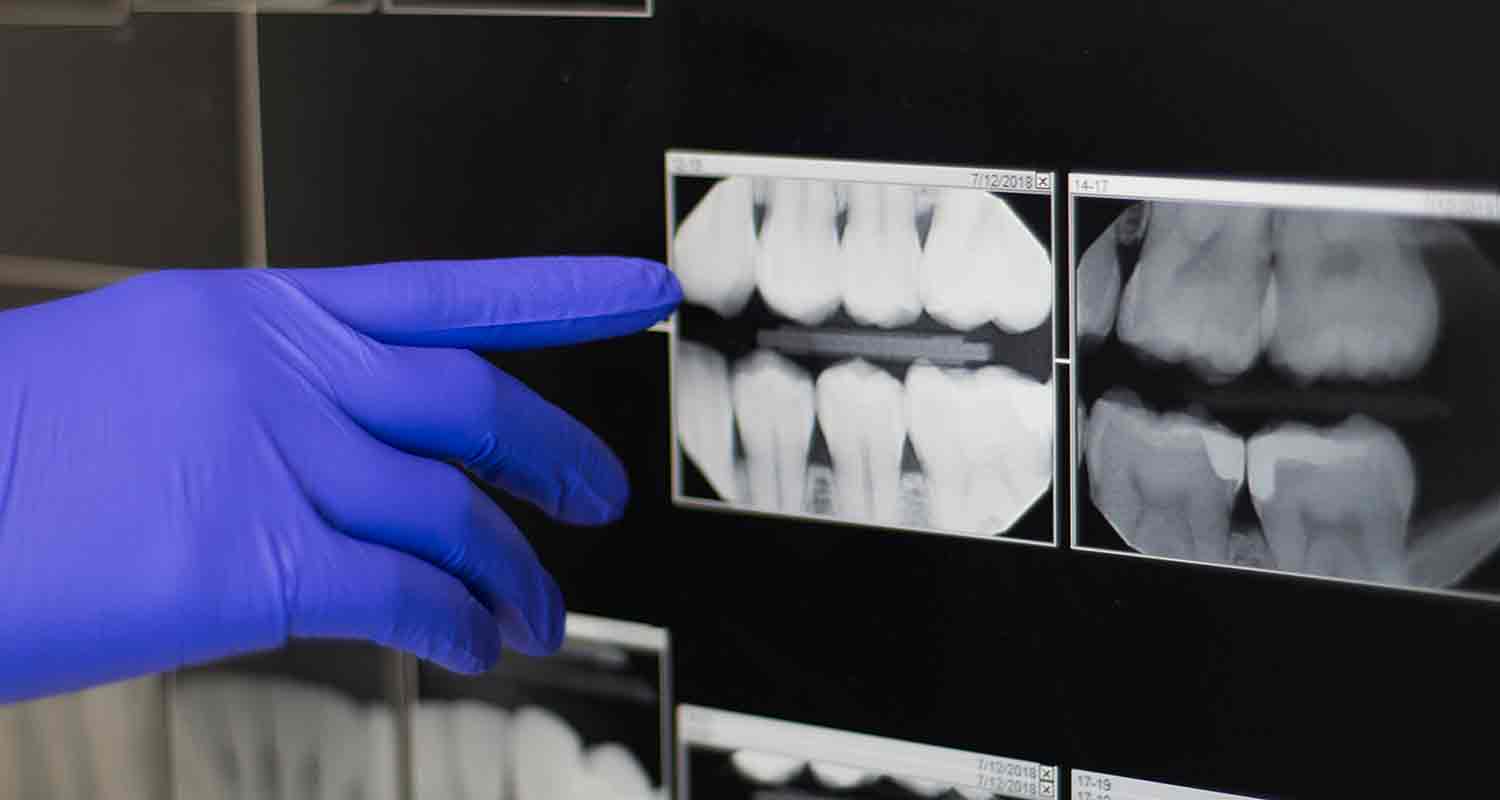
A dental check-up can feel a bit like opening the bonnet of your car. Everything might look fine from the outside, but the real story often sits underneath. That’s where Digital Dental X-Rays step in. They help your dentist see what your eyes, mirror, and toothbrush simply cannot.
If you live in Brisbane and you’ve ever wondered, “Do I really need dental X-rays?” I get it. Nobody wakes up excited about imaging equipment. But digital dental X-rays can help catch tooth decay, infections, bone loss, impacted teeth, wisdom tooth problems, and hidden dental issues before they become painful, expensive, or dramatic enough to ruin your weekend.
For a clearer and more detailed dental check, a modern 3D digital dental x-ray system can help dentists assess your teeth, jaw, roots, bone structure, and oral health with more accuracy. It gives your dentist better information, which usually means better planning and fewer surprises.
Digital Dental X-Rays use digital sensors or imaging plates instead of traditional film. The system captures images of your teeth, gums, jawbone, roots, and surrounding structures, then displays them on a computer screen almost instantly.
That means your dentist can zoom in, adjust contrast, compare images, and explain what they see while you sit in the chair. No mystery. No awkward “just trust me” energy.
Digital dental imaging may include:
Each type serves a different purpose. Some check for cavities between teeth. Others show the whole jaw. Some help with wisdom teeth, implants, root canal planning, orthodontics, or complex dental treatment.
Brisbane patients often live busy lives. Work, study, gym, family, weekend trips, coffee runs, and the occasional “I’ll book the dentist next month” promise. But dental problems rarely wait politely.
Digital Dental X-Rays help dentists spot issues early, sometimes before you feel pain. That matters because early treatment often costs less, feels easier, and protects more of your natural tooth.
The Australian Radiation Protection and Nuclear Safety Agency shares useful patient guidance on X-rays and radiation protection, including how medical and dental imaging uses radiation carefully to support diagnosis. In dental care, your dentist should only recommend X-rays when they need them for your health, symptoms, or treatment plan.
Traditional X-rays still work, but digital imaging offers several practical benefits. It gives faster results, cleaner image storage, easier sharing, and often lower radiation exposure compared with older film-based methods.
Here’s a simple comparison:
| Feature | Digital Dental X-Rays | Traditional Film X-Rays |
| Image speed | Appears quickly on screen | Needs film processing |
| Image quality | Easy to enhance and zoom | Fixed once developed |
| Storage | Digital files | Physical film storage |
| Sharing | Easy to send to specialists | Less convenient |
| Environmental impact | No film chemicals | Uses processing chemicals |
| Patient education | Easy to show on monitor | Harder to explain visually |
| Retakes | Often fewer with good technique | More likely if film processing fails |
For patients, the big win feels simple: faster answers. You don’t sit there wondering what the dentist sees. They can show you.
Digital imaging helps both dentists and patients. It turns guesswork into evidence and helps build a clearer path for treatment.
Small cavities can hide between teeth. Gum disease can affect bone before you notice anything. Infections can sit below the gum line. Wisdom teeth can move quietly like sneaky little troublemakers.
Digital Dental X-Rays help detect:
Early detection gives you more options. It can mean a small filling instead of a root canal, or a simple monitoring plan instead of an urgent procedure.
Digital imaging produces images quickly. That helps your dentist make decisions during the same appointment.
If you have tooth pain, swelling, sensitivity, or a broken tooth, your dentist can use X-rays to find the cause sooner. That speed matters when you’re sitting there thinking, “Please don’t say root canal” with the emotional intensity of a movie finale.
Dentists use dental X-rays to plan many treatments, including:
With better images, your dentist can understand tooth roots, bone levels, nerve position, infection spread, and jaw structure. That helps them plan safer, more predictable treatment.
I like digital dental X-rays because they make dental care easier to understand. Your dentist can show you the problem on a screen instead of explaining it with hand gestures and a tiny mirror.
You can see:
That helps you make better decisions. You don’t just hear advice. You see the reason behind it.
Digital images stay in your dental file. Your dentist can compare old and new images over time, which helps track changes.
That matters for:
Good records help your dentist notice small changes before they become big problems.
Different X-ray types show different parts of the mouth. Your dentist chooses the image based on what they need to check.
| X-Ray Type | What It Shows | Common Use |
| Bitewing X-ray | Upper and lower back teeth | Cavities between teeth, bone levels |
| Periapical X-ray | Whole tooth from crown to root | Infection, root problems, abscesses |
| Panoramic X-ray | Full mouth, jaw, teeth | Wisdom teeth, jaw issues, general overview |
| Cephalometric X-ray | Side view of skull and jaw | Orthodontic planning |
| 3D CBCT scan | Detailed 3D view of teeth and jaw | Implants, complex extractions, root canals |
Not every visit needs every scan. A good dentist recommends the right image for your situation, not the full menu like you’re ordering tapas.
The cost of Digital Dental X-Rays in Brisbane can vary depending on the type of X-ray, the dental clinic, your health fund, and whether you need imaging as part of a larger dental appointment.
Here’s a general guide:
| Type of X-Ray | Typical Cost Level | Often Used For |
| Single small dental X-ray | Lower | Tooth pain, cavity checks |
| Bitewing X-rays | Lower to medium | Check-up and decay detection |
| Panoramic X-ray | Medium | Wisdom teeth, full-mouth view |
| Cephalometric X-ray | Medium | Orthodontic assessment |
| 3D dental scan or CBCT | Higher | Implants, surgical planning, complex cases |
Some clinics include basic X-rays in check-up packages. Others charge separately. If you have private health insurance with dental extras, your fund may cover part of the cost.
Before you book, ask the clinic:
Clear pricing matters. Dental care should not feel like solving a puzzle with your wallet.
Yes, dentists use dental X-rays carefully, and they only recommend them when they need diagnostic information. Digital systems also help keep imaging efficient.
Your dentist considers factors such as:
If you feel worried, tell your dentist. A good dentist will explain why they recommend the X-ray and what they expect to learn from it.
Children may need dental X-rays when the dentist needs to check growth, tooth development, decay, infections, missing teeth, extra teeth, or orthodontic concerns.
Kids often get cavities between teeth where parents can’t see them. X-rays help dentists find those problems early.
Dentists usually take a cautious approach with children. They recommend images based on need, not routine habit. If your child needs an X-ray, ask the dentist to explain the reason in plain English.
If you are pregnant or think you might be pregnant, tell your dentist before any X-ray. Dentists can often delay non-urgent imaging, but they may recommend X-rays when they need to diagnose pain, infection, swelling, or emergency dental problems.
Your dentist will weigh the benefits and risks and use suitable precautions if imaging becomes necessary.
Don’t ignore dental pain during pregnancy. Infection can cause more trouble than a carefully planned dental image. Always speak openly with your dentist.
You may need Digital Dental X-Rays if you have symptoms or if your dentist needs to check areas they cannot see during a visual exam.
Common reasons include:
You may also need periodic X-rays during routine dental check-ups, especially if you have a high risk of tooth decay or gum disease.
There’s no single rule for everyone. Your dentist should recommend X-rays based on your oral health, risk level, age, symptoms, and dental history.
Here’s a simple guide:
| Patient Situation | Possible X-Ray Frequency |
| Low-risk adult with healthy teeth | Less often |
| Adult with frequent cavities | More regularly |
| Gum disease patient | As needed to monitor bone levels |
| Child with developing teeth | Based on growth and risk |
| Wisdom tooth concerns | When symptoms or planning require it |
| Dental implant patient | Before and during treatment planning |
| Emergency pain or swelling | At the appointment if needed |
If your dentist recommends X-rays often, ask why. That’s a fair question. You deserve to understand your care.
Most digital dental X-rays feel quick and straightforward.
Here’s what usually happens:
Most scans take only minutes. The awkward bit usually comes when you bite on the sensor and try not to look like you’re negotiating with a tiny plastic surfboard.
Digital imaging helps dentists confirm what causes symptoms.
| Symptom | Possible X-Ray Finding |
| Toothache | Deep decay, infection, cracked root |
| Sensitivity | Decay, gum recession, worn fillings |
| Swelling | Abscess or infection |
| Bleeding gums | Bone loss from gum disease |
| Jaw pain | Impacted wisdom teeth or jaw issue |
| Bad taste | Infection or failing dental work |
| Broken tooth | Root fracture or hidden damage |
| Loose tooth | Bone loss or trauma |
X-rays do not replace an exam. They support it. Your dentist combines what they see in your mouth with what the image shows.
Wisdom teeth love drama. They can grow sideways, push into nearby teeth, trap food, cause infection, or sit close to nerves.
A panoramic X-ray or 3D scan can help your dentist check:
This information helps plan whether you should monitor, remove, or refer for specialist care.
If you want dental implants, imaging becomes very important. Your dentist needs to check bone height, bone width, nerve position, sinus location, and the best implant angle.
A 3D dental scan can help plan implant placement with more detail than a flat image. This does not make every case simple, but it gives your dentist better information.
For implant treatment, better planning can support better outcomes.
You usually don’t need special preparation. Still, a few simple steps help.
Before your appointment:
If you feel nervous, say so. Dental teams deal with anxious patients every day. You’re not the first person to feel tense in the chair, and you won’t be the last.
A good dental visit should feel clear, not confusing. Ask:
These questions help you make informed decisions. And no, asking questions does not make you difficult. It makes you a normal person with teeth and a budget.
When choosing a clinic, look for more than equipment. Technology helps, but clear communication matters just as much.
Look for:
A good dentist won’t use X-rays to scare you into treatment. They’ll use them to explain what’s happening and help you choose the next step.
Digital Dental X-Rays give Brisbane patients a clearer view of what’s happening below the surface. They help dentists find hidden decay, infections, bone changes, wisdom tooth issues, gum disease damage, and treatment planning details that a visual exam may miss.
They also make dental visits easier to understand. You can see the image, ask questions, and make decisions with better confidence.
If you have tooth pain, sensitivity, swelling, wisdom tooth concerns, or you simply want a more complete check-up, digital dental imaging can play a valuable role in your care.
If you’re due for a dental check-up or have a tooth problem that won’t settle, book a Brisbane dental appointment and ask whether digital dental X-rays can help identify the issue early. Your future smile may thank you before your wallet has to complain.
Digital Dental X-Rays use digital sensors or imaging systems to capture images of your teeth, roots, jawbone, and surrounding structures. Dentists use them to detect problems that may not appear during a visual exam.
Yes, dentists use dental X-rays carefully and only when they need diagnostic information. They consider your age, symptoms, dental history, risk level, and previous imaging before recommending an X-ray.
Costs vary based on the type of X-ray and the clinic. Small dental X-rays usually cost less, while panoramic X-rays and 3D dental scans usually cost more. Ask your dentist for pricing and health fund item numbers.
Not always. Your dentist should recommend X-rays based on your oral health, symptoms, decay risk, gum health, and time since your last images.
Dental X-rays can help detect tooth decay, infections, abscesses, bone loss, impacted wisdom teeth, root problems, cysts, jaw issues, and problems under old fillings or crowns.
Digital X-rays offer faster results, easy image enhancement, simpler storage, and convenient sharing with specialists. They also help dentists explain findings more clearly on a screen.
Yes, children can have dental X-rays when needed. Dentists use them to check tooth development, hidden decay, missing teeth, extra teeth, infections, or orthodontic concerns.
Tell your dentist if you are pregnant or may be pregnant. Non-urgent imaging may wait, but urgent dental problems may still need careful assessment. Your dentist will explain the safest approach.
A 3D dental X-ray or CBCT scan gives a detailed view of teeth, bone, nerves, and jaw structures. Dentists may use it for dental implants, wisdom teeth, complex root canals, or surgical planning.
Most digital dental X-rays take only a few minutes. The image usually appears quickly on a computer screen, so your dentist can review and explain it during the appointment.
 27Jul
27Jul
 24Jul
24Jul
 22Jul
22Jul