Burning Tongue Syndrome: Dental Causes You Shouldn’t Ignore
Ever woken up feeling like you actually devoured a barbie before bedtime, even though it was just a toasted sandwich? That’s your tongue on fire...

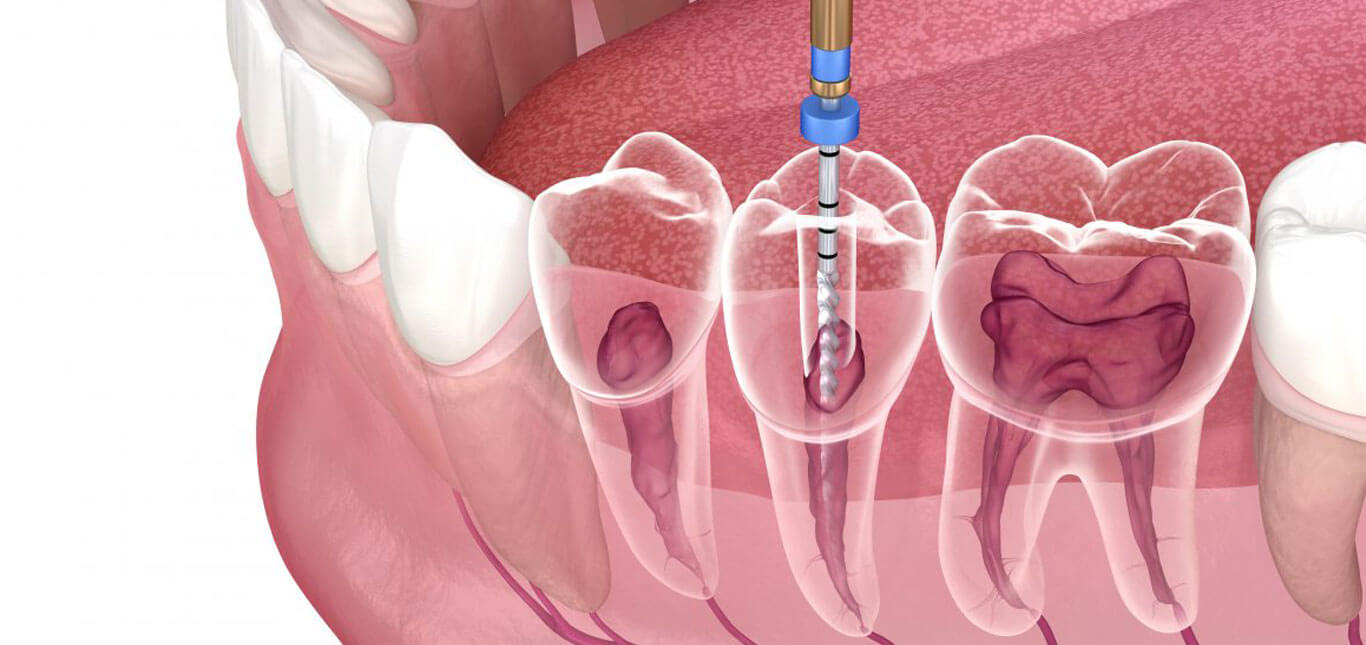
A Root Canal can feel like the dental version of saving a classic car. The inside needs careful work, the structure needs protection, and once the job is done, you want it running smoothly for years. The good news? With the right aftercare, your treated tooth can stay strong, useful and comfortable long after the appointment.
I know the words “root canal” can make people tense up faster than a phone battery on 1%. But modern treatment focuses on saving your natural tooth, removing infection and restoring comfort. The real secret sits in what you do next. Aftercare matters because the tooth still needs time, protection and a proper final restoration.
If you have recently had treatment or need guidance before booking, a Brisbane root canal dentist can assess your tooth, explain your recovery steps and help protect the result long-term.
A Root Canal treats the inside of the tooth, but the outside still needs strong protection. During treatment, your dentist removes infected or damaged pulp, cleans the canals, seals the space and restores the tooth. After that, your bite, chewing habits, oral hygiene and follow-up care all affect how well the tooth lasts.
Think of it like renovating a house after water damage. You fix the internal issue, but you still need a strong roof, clean gutters and regular care. Otherwise, the same house can face new problems later.
Healthdirect Australia explains that root canal treatment removes infected or damaged pulp, cleans and fills the root canals, and then restores the tooth with a filling or crown to protect function. You can read more through this official Australian health resource on root canal treatment.
That final protection step matters. A treated tooth can become weaker if it lost a lot of natural structure before or during treatment. Your dentist may recommend a crown, especially for back teeth that handle heavy chewing.
After a Root Canal, you may feel mild tenderness, pressure or sensitivity around the treated tooth. That can happen because the surrounding tissues need time to settle. Most people return to normal activities quite quickly, but you should still treat the area gently in the early days.
You may notice:
• Mild soreness around the tooth
• Tenderness when biting
• Gum sensitivity near the area
• Numbness for a few hours after treatment
• A temporary filling if your treatment needs another visit
• Slight jaw tiredness from keeping your mouth open
This discomfort should gradually improve. It should not get worse each day. If pain increases, swelling develops, or your bite feels very high, contact your dentist. Your tooth might need a small adjustment or further review.
The first day after a Root Canal is all about being gentle. Your tooth has just had a serious internal clean-out, so do not test it with steak, hard nuts or crunchy toast that behaves like roof tiles.
For the first 24 hours, I recommend you:
• Wait until numbness wears off before eating
• Chew on the opposite side
• Avoid hard or sticky foods
• Take pain relief only as your dentist advises
• Keep brushing gently
• Avoid poking the tooth with your tongue
• Follow all instructions from your dentist
If your dentist placed a temporary filling, treat it with extra care. Temporary material does its job, but it does not offer the same strength as a final filling or crown.
Food choice can make recovery much smoother. You want meals that feel kind to the tooth and do not require heavy chewing.
Here is a simple food guide:
| Food Type | Good Choices | Avoid for Now |
| Soft foods | Soup, yoghurt, scrambled eggs, mashed potato | Hard crusty bread |
| Easy meals | Pasta, rice, soft fish, soft vegetables | Tough steak |
| Snacks | Bananas, smoothies, soft cheese | Nuts, popcorn, hard chips |
| Drinks | Water, milk, mild tea | Very hot drinks while numb |
| Sweets | Soft desserts in moderation | Sticky lollies, hard candies |
I would keep it simple for a few days. Your tooth does not need a culinary adventure while it recovers. Brisbane has plenty of great food, but your treated tooth does not need to meet the crunchiest sourdough in town straight away.
You should keep your mouth clean after a Root Canal. Good oral hygiene helps protect the tooth and surrounding gums. You can usually brush and floss as normal, but stay gentle around the treated area.
Use a soft toothbrush and take your time. Clean around the gumline carefully. If floss catches around a temporary filling, do not force it upward. Slide it out gently from the side if needed.
Your routine should include:
• Brushing twice a day
• Flossing once a day
• Cleaning gently around the treated tooth
• Using fluoride toothpaste
• Avoiding aggressive brushing
• Following any mouth rinse advice from your dentist
Good aftercare does not need to feel complicated. Small daily habits do the heavy lifting.
Many back teeth need a crown after a Root Canal because they handle strong chewing forces. Molars and premolars work hard every day. They crush, grind and take pressure from all directions. If the tooth has lost structure from decay, cracks or large fillings, a crown can protect it like a tailored jacket over delicate fabric.
A crown helps:
• Protect the tooth from cracking
• Restore chewing strength
• Improve shape and function
• Seal the tooth more securely
• Support long-term durability
Not every treated tooth needs a crown. Front teeth may sometimes do well with a filling, depending on damage and bite pressure. Your dentist will assess the tooth’s structure and recommend the best option.
Do not delay the final restoration if your dentist recommends one. A root-treated tooth with a temporary filling can face a higher risk of breaking or leaking over time.
After a Root Canal, your dentist may place a temporary filling between appointments or before a final restoration. That temporary material protects the tooth for a short time, but it should not act as your long-term solution.
| Restoration Type | Purpose | How to Care for It |
| Temporary filling | Short-term protection | Avoid hard, sticky chewing |
| Permanent filling | Final seal for suitable teeth | Keep clean and attend check-ups |
| Crown | Strong protection for weakened teeth | Brush, floss and avoid using it as a tool |
If your temporary filling feels loose, chips away or falls out, call your dentist. Do not leave the tooth open. Bacteria love empty spaces, and they do not pay rent.
Mild discomfort after a Root Canal can feel normal for a few days. The tooth may feel tender when you bite, especially if the area had infection or inflammation before treatment.
Normal symptoms may include:
• Mild ache
• Slight pressure when chewing
• Tender gums
• Jaw tiredness
• Sensitivity that improves over time
Warning signs may include:
• Pain that gets worse
• Swelling in the gum or face
• Fever or feeling unwell
• Bad taste or pus near the tooth
• A bite that feels too high
• Temporary filling loss
• Tooth fracture
If you notice warning signs, contact your dentist. Do not “wait it out” if symptoms worsen. Teeth have a way of turning small warnings into big weekend problems.
Most people can return to work after a Root Canal, especially if the appointment was straightforward. If you feel numb, sore or tired, you may prefer to take the rest of the day easy.
If your job involves physical labour, heavy lifting or outdoor work in Brisbane heat, ask your dentist whether you should rest for a short period. Your situation may depend on infection severity, treatment length and any medication your dentist recommends.
For office workers, students and remote workers, normal routines often resume quickly. Just avoid chewing on the treated tooth until your dentist confirms it is safe.
Long-term Root Canal success depends on protection, cleaning and regular dental visits. The treatment saves the tooth, but your habits help keep it useful.
Here is a practical long-term care checklist:
| Care Step | Why It Helps |
| Get the final restoration | Protects the tooth from cracks and leakage |
| Brush twice daily | Reduces plaque and decay risk |
| Floss daily | Cleans between teeth and around the gumline |
| Wear a night guard if needed | Protects against grinding damage |
| Avoid chewing hard objects | Reduces fracture risk |
| Attend dental check-ups | Helps catch issues early |
| Limit sugary snacks | Reduces decay around restorations |
| Report new symptoms early | Prevents bigger problems |
You do not need to treat the tooth like fine china forever. But you should respect it. It has been through a lot.
I see people make a few common mistakes after dental treatment. Most come from feeling better too soon. Once pain disappears, they assume the tooth no longer needs attention.
Avoid these mistakes:
• Skipping the final crown or filling
• Chewing hard foods too early
• Ignoring a loose temporary filling
• Missing follow-up appointments
• Brushing roughly around the area
• Using the tooth to crack nuts, open packets or bite pens
• Ignoring new pain or swelling
• Forgetting regular check-ups
That last one matters. A Root Canal can protect your natural tooth, but decay can still affect the outer tooth structure or nearby teeth. Regular care keeps everything in check.
Brisbane life can get busy. Work, school runs, gym sessions, weekends at South Bank, quick coffees, hot days, late dinners, and the occasional “I’ll book that appointment later” moment. Dental aftercare can easily slide down the list.
Keep it simple. Put your follow-up appointment in your calendar before you leave the clinic. Keep soft food at home for the first day. Avoid chewing on the treated side until your dentist gives you the green light. If you grind your teeth, ask about a night guard.
Also, stay hydrated. Brisbane heat can make your mouth feel dry, and a dry mouth can increase the risk of plaque buildup and decay. Water helps your mouth do its job.
A well-restored Root Canal tooth can last many years, and in many cases, it can last a very long time. The result depends on the tooth’s condition, final restoration, oral hygiene, bite pressure and regular dental care.
A tooth with a strong crown, good cleaning habits and regular check-ups has a better chance of long-term success. A tooth left with a temporary filling, heavy bite pressure and poor cleaning has a higher risk of trouble.
In simple terms, aftercare turns dental treatment into a long-term win. Without it, even good treatment can face avoidable problems.
You should call your dentist if something feels off after your Root Canal. It is always better to ask early than wait until the tooth starts writing its own drama.
Contact your dentist if you notice:
• Increasing pain
• Swelling around the tooth or face
• A temporary filling that feels loose
• A cracked tooth or restoration
• Pain when biting that does not improve
• Bad taste or discharge
• Fever
• Trouble opening your mouth
• A bite that feels uneven
Your dentist can check the tooth, adjust the bite, repair the filling or investigate further if needed.
Here is a simple recovery timeline:
| Timeframe | What to Do |
| First few hours | Avoid eating until numbness wears off |
| First 24 hours | Eat soft foods and chew on the opposite side |
| First few days | Brush gently and monitor tenderness |
| First week | Follow dentist instructions and avoid hard foods |
| Follow-up visit | Complete any remaining treatment |
| Final restoration | Get filling or crown as recommended |
| Long-term | Maintain brushing, flossing and dental check-ups |
Every tooth is different, so follow your dentist’s advice first. General guides help, but your dentist knows your mouth, X-rays and treatment details.
A Root Canal gives your tooth a second chance. Aftercare helps that second chance last.
The main steps are simple: eat gently at first, keep the area clean, avoid hard chewing, complete your final restoration, attend follow-up appointments and call your dentist if symptoms worsen. If your dentist recommends a crown, do not treat it like an optional accessory. For many back teeth, it protects the investment you just made.
I like to think of root canal aftercare as quiet maintenance. It is not dramatic, but it matters. Do it well, and your tooth can keep doing its job for years.
If you have had a Root Canal or need advice about tooth pain, book a dental check-up in Brisbane and get clear guidance on the next step for long-term tooth protection.
After a Root Canal, follow your dentist’s instructions, eat soft foods, chew on the opposite side, brush gently and avoid hard or sticky foods until the tooth has a final restoration.
Mild tenderness can last a few days. It should improve gradually. If pain gets worse, swelling appears or biting feels very painful, contact your dentist.
Yes, but wait until numbness wears off. Start with soft foods and avoid chewing on the treated tooth until your dentist confirms it is safe.
You may need a crown if the tooth has lost strength or sits in the back of the mouth where chewing pressure is higher. Your dentist will recommend the best restoration.
Yes, reinfection can happen if bacteria enter through cracks, leaking fillings or delayed restorations. Good aftercare and regular dental visits reduce the risk.
Yes, you should brush your teeth, but stay gentle around the treated area. Use a soft toothbrush and keep the gumline clean.
Avoid hard, crunchy or sticky foods, such as nuts, hard chips, sticky lollies and tough meat, especially while you have a temporary filling.
A well-treated and properly restored tooth can last many years. Good oral hygiene, a strong final restoration and regular dental check-ups improve long-term results.
Mild tenderness can happen, but swelling needs attention. Contact your dentist if your gum, jaw or face starts swelling after treatment.
Delaying the final restoration can increase the risk of cracking, leakage or reinfection. Complete the recommended restoration as soon as your dentist advises.
 27Jul
27Jul
 24Jul
24Jul
 22Jul
22Jul