Burning Tongue Syndrome: Dental Causes You Shouldn’t Ignore
Ever woken up feeling like you actually devoured a barbie before bedtime, even though it was just a toasted sandwich? That’s your tongue on fire...

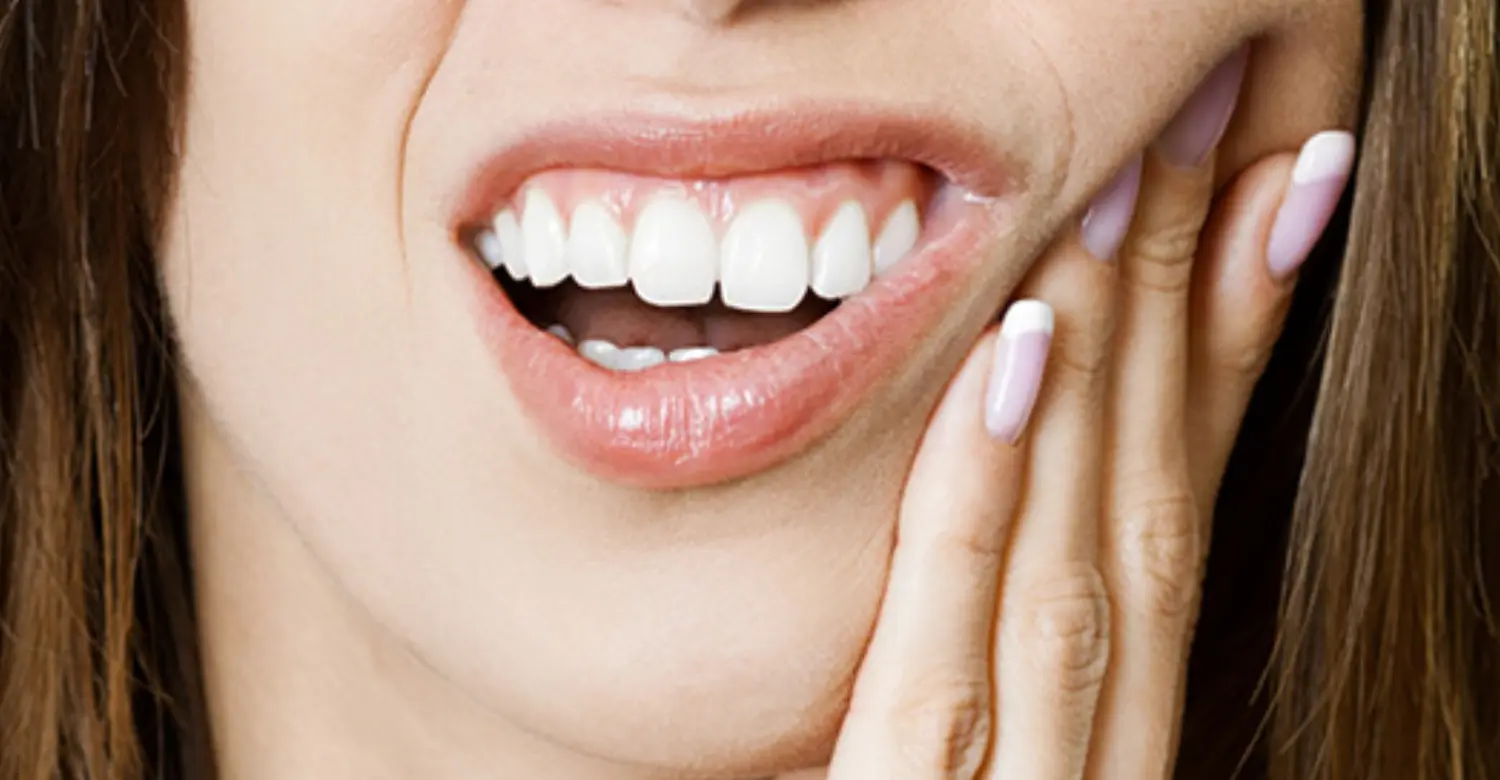
Imagine biting into your favourite mango on a sunny Brisbane afternoon – and zap! A sharp jolt of pain shoots through your jaw. Ugh, a toothache. It can sneak up on anyone, turning your day into a real pain. I’ve been there (albeit with coffee instead of mango) – that nagging throb stealing your appetite and focus. But hey, you’re not alone. Many Aussies suffer tooth pain at some point, and luckily, there’s a lot we can do about it.
In this guide, I’ll walk you through the common culprits behind toothaches, some quick relief tricks (we Aussies love DIY remedies), and how to know when it’s time to get a pro involved. Let’s tackle this pain together so you can get back to enjoying life teeth-first!
Tooth pain can strike out of nowhere – from biting into a custard tart to waking up in the middle of the night with a throb. When a toothache hits, it’s like your mouth is sending out an SOS.
First up, let’s chat about why toothaches happen. Knowing the cause can guide you on the fix. Here are the most common reasons:
Cavities (Tooth Decay): Sugar and bacteria love to party together in your mouth. Over time, they can eat away at enamel, creating a hole (cavity) that exposes sensitive nerves. A naughty bite of lollies or fizzy drink can then trigger shooting pain. Cavities are the number-one offender behind toothaches.
Gum Disease (Gingivitis/Periodontitis): If your gums are red, swollen or bleed when brushing, bacteria might be causing gum infection. As gums recede, it exposes the tooth’s root, which is sensitive. This can result in a dull, throbbing ache or even sharp jolts. Think of it like the foundation loosening around a tooth – it hurts!
Dental Abscess (Infection): Ouch, this is a biggie. When a tooth’s nerve gets infected (often from deep decay or a crack), it can create a pocket of pus – an abscess. You might feel severe, constant pain, a bubbly taste in your mouth, or even see a swelling (like a pimple) on your gum. Sometimes it doesn’t hurt until it’s huge – sneaky! An abscess is serious. If you get fevers or your face swells, get help stat.
Cracked or Chipped Tooth: A broken tooth can reveal the inner pulp and nerves. You might feel pain only when biting or with cold air. It’s like the nerve is pinched every time you chew. Even a tiny crack can be excruciating once food sneaks in and nerves get exposed.
Wisdom Teeth or Impacted Teeth: Many young adults in Brisbane have wisdom teeth giving them grief. If they’re impacted (stuck) or pushing at an angle, they can crowd other teeth or rip your gums. This causes soreness in the jaw or sharp pain when chewing. Jaw stiffness often tags along too.
Tooth Sensitivity: Are your teeth wincing at ice cream or hot tea? This is sensitivity, a kind of mild toothache. Worn enamel or exposed tooth roots (from gum recession) mean nerves get hot-and-cold triggers. It feels like a tiny electric shock. Not as dramatic as an abscess, but very annoying.
Bruxism (Grinding/Clenching): Grinding teeth at night or clenching under stress wears teeth down and strains the jaw. The result can be a toothache or jaw pain (and hello tension headaches). If your partner hears you nightly chipmunk-ing or you wake with sore jaws, this could be why your tooth aches.
Basically, any time nerves in your tooth or gums are irritated—through decay, injury or infection—you’ll feel it. It’s your body’s way of waving the white flag, saying “Oi! Pay attention!” Some causes are minor and easily fixed, others need swift dental care.
When a toothache first strikes, it’s tempting to grin and bear it. But hang on – there are a few clever tricks to ease the pain while you figure out what’s up. Think of these as first-aid for your mouth. They won’t replace a dentist, but they can take the edge off:
Warm Saltwater Rinse: This classic remedy really works. Just dissolve half a teaspoon of salt in a glass of warm water and swish it around your mouth for 30 seconds, then spit. The salt helps reduce swelling and cleans out debris. I do this at night – it’s like a mini cleanse for the sore area.
Cold Compress: If your cheek is puffed out or just terribly achy, apply something cold outside. Wrap ice cubes or an ice pack in a cloth and press it against your cheek for 15–20 minutes. The cold numbs the area and helps shrink swelling. Don’t press too hard, just gentle ice cuddles. This is gold if you caught your jaw in a sporting oopsie or woke up with sore gums.
Garlic or Clove Oil: Time to raid the kitchen! Crush a garlic clove into a paste and apply it to the sore tooth or gum; garlic has natural antibacterial and anesthetic properties. If it’s too spicy, try clove oil (you can find it in chemists). Clove oil is packed with eugenol, a natural numbing agent. Dip a cotton ball in a few drops of clove oil and gently hold it against the ache. It’s pretty strong stuff, so a tiny bit goes a long way. Many dentists swear by clove oil to calm tooth pain overnight.
Peppermint or Green Tea Bag: After steeping a peppermint teabag, let it cool and hold it against the aching tooth/gum. Peppermint has numbing oils, so it can soothe. Similarly, cooled green tea bags have tannins that reduce inflammation. Plus, they’re soothing on sore gums. Bonus: peppermint freshens breath while numbing pain – double win for date night!
Over-the-Counter Pain Relief: Don’t forget the good old family analgesics. Grab some paracetamol (Panadol) or ibuprofen (Nurofen) and follow the dosage instructions. Take them on schedule to keep pain under control. Important: never put aspirin or other painkillers directly on the tooth or gum – it can burn the soft tissue and make things worse. Swallow them, don’t smear them.
Elevation: If you’re trying to sleep with a sore tooth, prop your head up on an extra pillow. Lying flat increases blood flow to your head, which can intensify a toothache. Keep that noggin elevated and you might catch some Z’s.
Avoid Triggers: Until you sort the issue out, steer clear of super hot, cold or sweet foods on the sore side. Sip lukewarm tea, munch soft foods (like yogurt or porridge) and skip crunchy snacks. Minimise chewing on the aching tooth. Let it rest.
When a toothache flares up, simple home fixes can help – for example, using a cold compress on the cheek or gently pressing a clove-infused cotton ball to the sore spot (as shown above). These tricks can quickly ease discomfort while you plan your next step.
These little tips can be surprisingly effective at dulling the hurt. The warm saltwater and compress, in particular, work almost like magic if the pain is from inflamed gums or a mild infection. However, keep a close eye. If the relief doesn’t last, or pain explodes into unbearable territory, it might mean it’s time for professional help – in which case, you may need emergency toothache treatment (Brisbane clinics often list this to help patients in a pinch). Don’t stubbornly ride it out if things get ugly.
Sometimes home remedies aren’t enough. Most chemists carry products to tackle tooth pain. For example:
Always follow instructions and be careful mixing medicines (ask a pharmacist if unsure). But overall, even a simple dose of ibuprofen with a saltwater rinse can turn a howling ache into a dull throb. I generally avoid random home remedies that sound too exotic (no mercury-in-mouth or anything crazy). Stick with what’s known to work. When in doubt, ask a pharmacist for advice – we have plenty of chemists in Brisbane ready to help with pain relief tips.
Home tricks are great short-term helpers, but they’re not a cure for serious problems. If your toothache is mild and brief, maybe you’ll get by with these tips. But here’s when it’s urgent to see a dentist:
In short: if the pain is life-disrupting, if symptoms worsen, or if you’re unsure – see a dentist. Brisbane has no shortage of clinics, including after-hours emergency dentists. Many local practices offer same-day or walk-in emergency appointments. For example, you can search for emergency toothache treatment around Brisbane to find a clinic near you. The government even has advice on dental emergencies, reminding us that a toothache is an emergency when it’s severe.
If the pain is extreme and accompanied by danger signs (especially swelling/fever), don’t hesitate to go to a hospital ER. Your health comes first. For anything else, ring around local dentists – most will fit you in for urgent issues. Many Brisbane dentists also partner with Queensland Health’s public dental services, which provide care for eligible patients. (Check the Queensland Health website for public clinic info or call 13 HEALTH (13 43 25 84) for guidance.)
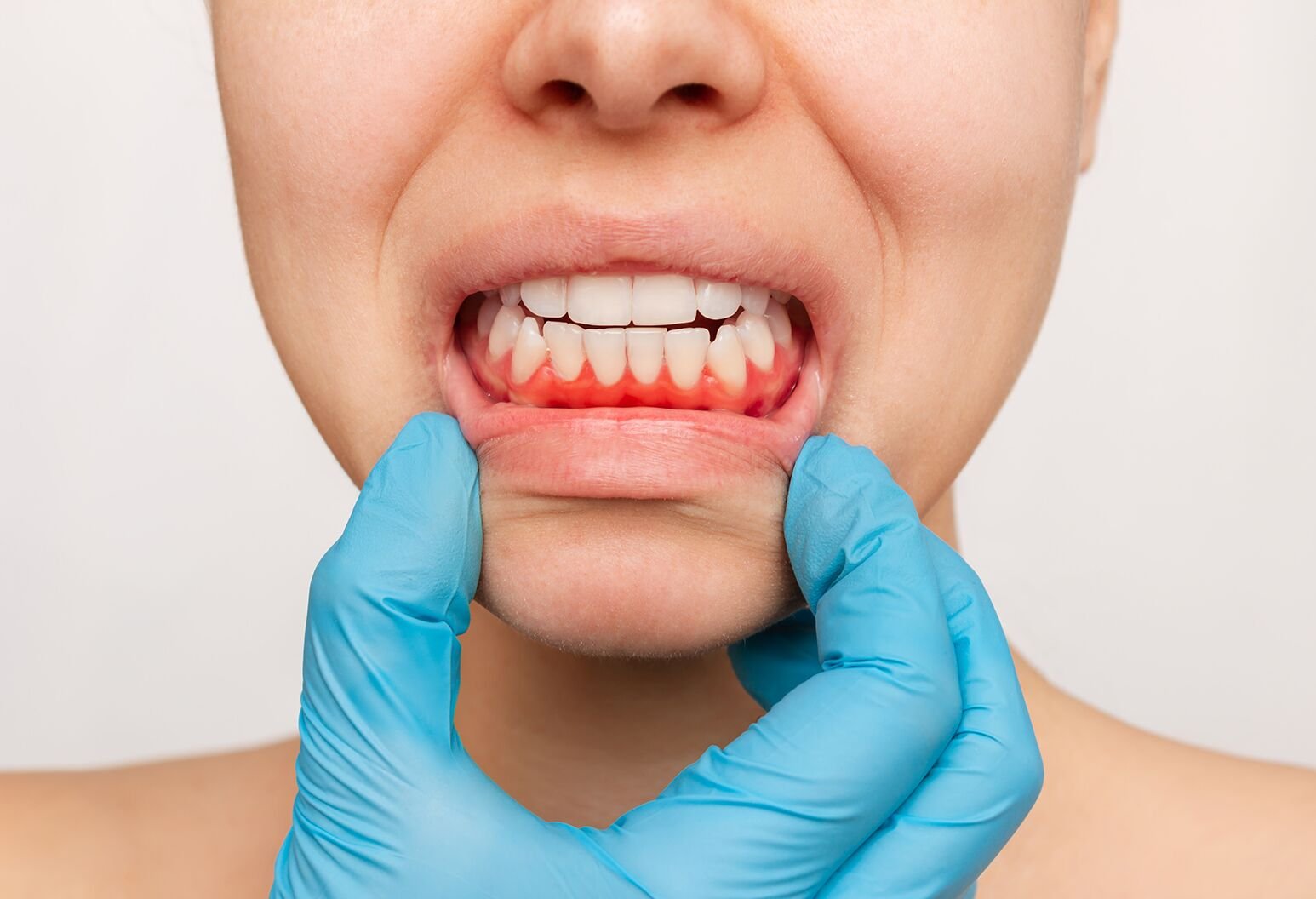
Got a toothache that won’t quit? Don’t tough it out. A dentist will have the gear to fix the root cause (literally) – from fillings and root canals to quick fixes like antibiotics. In the image above, a dentist is examining a patient – that’s the kind of care that can save your smile.
Remember, delaying can turn a small problem into a costly, painful one. An untreated abscess can spread infection to your jaw or body. A simple cavity can become a nerve-root canal. The earlier a dentist sees it, the simpler the treatment (and the less money and pain for you). So if you’re reaching for painkillers round-the-clock, or your face is puffed up, pick up the phone.
Alright, we’ve talked causes and fixes – but how about preventing them so that toothache becomes a rare guest? A bit of prevention goes a long way:
One quick anecdote: I once skipped flossing for a week (don’t judge), and by the end I had a mini-cavity setting up camp. A quick rinse didn’t cut it – the dentist had to patch it. Lesson learned: a little daily care can save a lot of pain later.
Dealing with a toothache is no fun, but hopefully you now have a solid game plan. You’ve learned that tooth pain can come from everything from sneaky cavities to clenching habits. You’ve got a toolkit of remedies – warm saltwater rinses, clove oil numbing, and more – to grab relief fast. And most importantly, you know the red flags that mean “time to call the dentist.” Brisbane has great dental options, including emergency services, so you don’t have to suffer in silence.
Don’t let a toothache steal the day. If you feel that familiar pang, try a few home fixes right away. If the pain sticks around or gets worse, please get professional help quick-smart. Protect your winning smile – it’s how you greet the world! And hey, once you’re out of pain, why not book that check-up? Prevention is the best cure, and your future self will thank you. Stay healthy and keep smiling, Brisbane!
What are the quickest home remedies to relieve a toothache?
Home remedies can help until you reach a dentist. Try rinsing with warm saltwater, using a cold pack on your cheek, or applying a bit of clove oil to the sore area. Over-the-counter painkillers (like paracetamol or ibuprofen) can also take the edge off. These aren’t cures, but they often provide fast, temporary relief. Just remember: if pain persists, see a dentist.
How can I tell if my toothache needs emergency care?
If you have a severe, constant pain that won’t ease up; noticeable swelling of your face or gums; a fever; or a loose/broken tooth, treat it as an emergency. These signs suggest an infection or injury that could get worse quickly. In Brisbane, call your dentist or seek an urgent dental clinic. For extreme symptoms (like trouble breathing/swallowing), go to a hospital immediately.
Why do my teeth hurt when I eat sweets or cold food?
That’s tooth sensitivity. It often means the enamel is worn or gums have receded, exposing the dentin (inner layer) of the tooth. Nerves inside get extra ticklish with temperature or sugar. A sensitive toothpaste (like Sensodyne) can help, and a dentist can check for cavities or gum issues causing sensitivity.
Can I prevent toothaches by brushing and flossing?
Absolutely. Good oral hygiene is your best defence. Brushing twice a day with fluoride toothpaste and flossing daily removes food and plaque that cause cavities and gum disease – the top culprits behind toothaches. Regular check-ups at the dentist can spot trouble early too. Stay on top of your oral care, and you’ll avoid most toothaches altogether!
 27Jul
27Jul
 24Jul
24Jul
 22Jul
22Jul