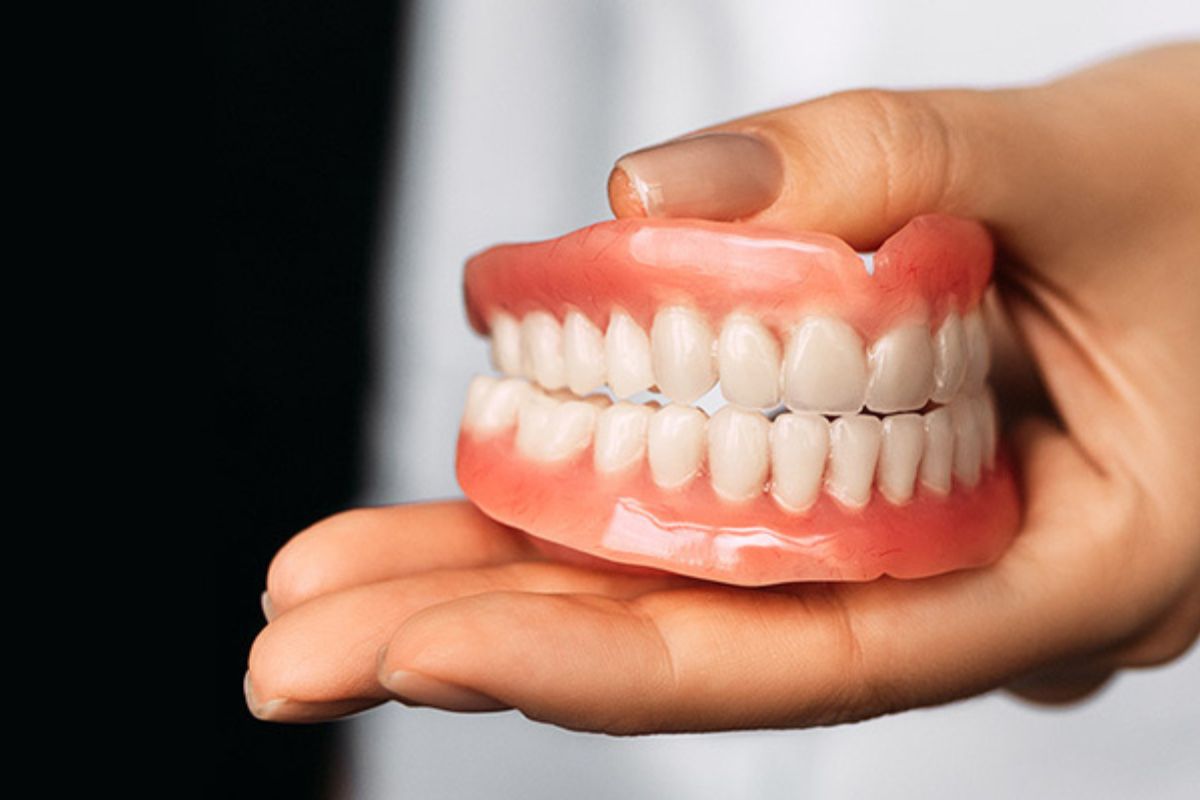
You rarely give your dentures a second thought—until you bite into a Vegemite sanga or a cheeky pavlova piece and something feels off. Suddenly, your dentures are staging a strike. That’s your cue to give them a little love. Like any trusty sidekick, dentures need a bit of TLC (tender loving care) if you want them sticking around for the long haul.
One minute they’re helping you demolish a Queensland barbecue, the next they could be causing chaos with your morning flat white. Keep them in shape and they’ll repay you with years of happy chewing.
Modern dentures are built to last – think of them like a finely tuned machine. With the right daily habits, a set of dentures can easily last five to ten years or more. Neglect them and you could find yourself back at the dentist sooner than you’d like.
Even the fanciest new teeth need a proper care routine. The trick is simple: keep up with cleaning, soaking and smart habits every day, and you’ll keep your mouth healthy and your smile solid.
For example, if you’re opting for modern denture treatment, you’ll be getting top-quality prosthetics – but they still crave your care. Those high-tech pearly whites deserve a good cleaning routine just like natural teeth. Let’s dive into the essential steps of denture maintenance so yours stay comfortable and lasting.
Daily Cleaning Routine
Keeping your dentures in tip-top shape starts with a quick but thorough daily routine. Think of it like giving them a little spa treatment every day:
Rinse after eating. After meals, give your dentures a gentle rinse under warm (not hot) water. This flushes away food particles and prevents staining. It’s as simple as rinsing dishes – don’t skip it.
Brush them gently. Morning and night, use a soft-bristled denture brush or a toothbrush with soft bristles. Apply a mild liquid soap or a denture-friendly paste. Avoid ordinary toothpaste – its abrasives can scratch the acrylic and wear them down. (Those scratches become plaque traps.) Cover every surface, even the parts that touch your gums, just like you would brush natural teeth.
Soak overnight. After brushing, tuck your dentures into a glass of clean water or a denture-soaking solution before bed. This keeps them moist (dry acrylic can warp or crack) and helps remove lingering bacteria. Use lukewarm water – never boiling – which can bend the denture’s shape. (Pro tip: soaking solutions can cut down on odours and stains, but check that it’s suitable for your denture type.)
Clean your mouth, too. Each time you pop the dentures out, give your gums, tongue and palate a gentle brush or wipe. Use a soft toothbrush or gauze and a bit of toothpaste or mouthwash (non-alcoholic is kinder). This massage-like care boosts blood flow and keeps your oral tissues healthy. A fresh gum line helps prevent sores when you place those dentures back in the morning.
Nighttime Rest and Storage
Dentures are on duty all day – let them clock off at night. Removing your dentures before bed is a must. A night off allows your gums to breathe and cuts down on fungal infections like denture stomatitis. As Healthdirect Australia (the government-backed health site) advises, take your dentures out before sleep and keep them soaking overnight in a clean container.
Use a little water or a gentle denture solution in the container (avoid harsh chemicals or bleach) and keep the water fresh each night. Make sure the container itself is washed and dried daily. By sunrise, your dentures will be clean, moist and ready to go.
Common Denture Pitfalls (Avoid These!)
Even the best routines can be derailed by a few bad habits. Here are some classic mistakes Brisbane denture-wearers should dodge:
Skip the toothpaste. Toothpaste’s abrasives are fine for natural teeth, but for dentures they’re like sandpaper. Scratches develop that trap stains and germs. Instead, use mild soap or a special denture paste with your soft brush.
Ditch the bleach and DIY tricks. Ever thought of scrubbing your dentures with bleach, baking soda or hot water? Bad idea. Harsh chemicals and heat can weaken or warp the acrylic. (A one-off splash of white vinegar can occasionally remove mineral build-up on full sets, but avoid it on partials with metal.) Stick to products made for dentures – they kill bacteria and lift stains without damage.
Don’t wear them 24/7. Wearing dentures all day (and all night) gives germs a party in your mouth. Take them out for sleep and at least a few minutes throughout the day if you can. Letting your gums rest reduces irritation and infection risk.
Avoid using them as tools. Dentures are for chewing food, not cracking nuts, chewing nails or opening bottles. Treating them like a multi-tool can cause chips, cracks or breaks. A broken denture means a big headache and often a quick trip to the dentist.
Use adhesives wisely. A dab of denture adhesive (cream or strip) can improve the fit, but only use as directed. Overdoing adhesives – especially old zinc-based creams – can be counterproductive. And remember: adhesive isn’t a fix for a poor-fitting denture. If you need a ton of glue, it’s time to see your prosthetist.
Keep up with the dentist. Even if your dentures feel fine, your mouth changes over time. Visit your dentist or denturist regularly to check the fit. They can reline a loosening plate or smooth out a rough spot. It’s often cheaper to make an adjustment early than replace the whole thing later.
As Healthdirect Australia notes, you should clean your dentures every morning and night with a soft brush and gentle cleanser, and remove them at bedtime so your mouth can recover. In other words: avoid the above slip-ups and you’ll help your dentures last their full lifespan.
Regular Check-ups and Repairs
No matter how diligently you clean, dentures are medical devices – they need a professional’s eye. Schedule routine dental visits (at least annually) so a dentist can inspect your dentures and oral tissues. During these check-ups, your dentist can:
- Relieve pressure spots and ensure a snug fit as your gums and jawbone naturally change shape.
- Polish away stubborn stains or tartar that home care misses.
- Replace a cracked or worn tooth on the denture.
Remember: fix problems early. If you notice your dentures wobble or tooth chips, ring your dentist or denture clinic immediately. Small repairs or relines usually cost a lot less than a brand-new set. And please, no superglue DIY – stick to the professionals.
Most Brisbane denture labs can handle minor fixes quickly (often while you wait), so give them a call rather than toughing it out. With each check-up, you help your dentures stay comfortable and your mouth stay healthy.
Conclusion
Caring for dentures doesn’t have to be rocket science. With a simple routine of rinsing, brushing and soaking – plus a few smart habits – you’ll keep your false teeth fresher, fitter and friendlier for years. Remember to let your gums have a break overnight, steer clear of abrasive cleaners and catch up with your dentist if anything feels amiss. By treating your dentures right, you protect your investment and keep smiling with confidence.
Have your own denture tips or questions? Let us know in the comments below! And if something’s bugging you – a stubborn stain, a loose fit, or just advice on products – don’t hesitate to reach out to your local dental pro. After all, a great smile is worth looking after. Keep your dentures happy, and they’ll keep you smiling.
FAQs
How often should I clean my dentures?
You should clean your dentures every single day. Aim to rinse them after meals and give them a gentle brush at least twice daily (morning and night). This removes food debris and prevents plaque build-up, much like caring for natural teeth. Consistency is key – skip a day and bacteria can take hold quickly.
Can I use regular toothpaste to clean my dentures?
No – regular toothpaste is too abrasive for dentures. It contains tiny particles that can scratch acrylic surfaces, making them more prone to staining and bacterial growth. Instead, use a mild liquid soap or a denture-specific cleanser with your soft brush. These are designed to clean without damaging the material.
Is it safe to sleep with my dentures in?
Generally, no. Removing your dentures at night gives your gums a rest and greatly reduces the risk of irritation or fungal infections. Soak your dentures overnight instead. There are rare exceptions (for example, certain implant-supported dentures may allow overnight wear), but for most removable dentures, nighttime out is best for comfort and health.
When should dentures be replaced?
With good care, dentures often last 5–10 years before they need replacing. However, everyone’s mouth changes with age, so even long-lasting dentures can become loose or worn. Replace or reline them when they start slipping, cracking, or causing frequent sore spots. Regular dental check-ups (every 6–12 months) will help you and your dentist decide the right time for a refresh.

 27Jul
27Jul
 24Jul
24Jul
 22Jul
22Jul