Ever dreamt of flashing a picture-perfect smile without dropping a fortune? You’re not alone. In Brisbane, as with anywhere, people crave those Hollywood-style veneers but wonder, are they even affordable? Picture, you sip your morning coffee and notice a little chip or gap in your tooth. “Great,” you think, “another thing to stress about.”
But wait, there’s a cosmetic dental trick that could change your life (and smile) without a huge bill. Welcome to the world of veneers: the thin shells that can mask stains, reshape teeth and turn that everyday grin into red-carpet-ready.
Getting veneers doesn’t have to feel as out-of-reach as a billionaire’s yacht. You might even chuckle at how easy it is to get scammed by cheap knock-offs online, or how some people treat at-home whitening like it’s a life hack. (Hint: it’s not the same.)
Luckily, whether it’s your first dental gamble or you’ve been eyeballing models on Instagram, this guide will walk you through affordable veneer options in Brisbane – the costs, the types, and exactly what to expect at the dentist’s chair. Along the way, we’ll sprinkle in some cheeky anecdotes and straight-talk advice. In short, we’ve got your back (or rather, your front teeth).
WHAT ARE DENTAL VENEERS?
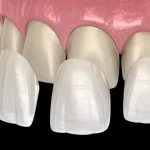
Think of veneers as contact lenses for your teeth – only stronger. They’re custom-made, ultra-thin covers (usually porcelain or resin) that a dentist bonds to the front of your teeth. The goal? To smooth over imperfections and make your smile look bright and flawless.
They won’t actually straighten wonky bites or magically fix all your dental issues, but they will hide stains, chips, gaps or odd shapes. Imagine a tiny shell wrapping your tooth: if your tooth is stained or chipped, the veneer is like a little mask that makes it look brand-new.
A word to the wise: once a veneer is bonded on, you don’t just pop it off like a retainer. It stays put, so it’s not reversible if you change your mind down the road. And you still have to care for it just like a real tooth – brushing, flossing, the whole shebang – to keep it lasting for years. (Yes, even the fanciest Hollywood smile needs good hygiene.)
TYPES OF VENEERS: COMPOSITE VS PORCELAIN
There are two main flavors here, each with its own personality:
Composite Resin Veneers: These are applied directly onto your tooth by the dentist, all in one go (usually one visit). Think of them as a quick, budget-friendly makeover. They’re like a designer knock-off – they look good, and at first glance you might not even tell the difference. They cost less – you might see numbers as low as a few hundred dollars per tooth – and if they get a tiny chip later, your dentist can often patch them up easily. Downsides? They tend to stain a bit more over time and aren’t quite as rock-solid durable. Expect about 4–8 years of shine on average before they might need touching up.
Porcelain (Ceramic) Veneers: This is the crème de la crème. Porcelain veneers are crafted in a lab to perfectly match your teeth, then permanently cemented on in a follow-up visit. They cost more (think in the low thousands per tooth in Brisbane) but you get what you pay for: they look hyper-natural, resist stains, and can last well into the teens (10–15+ years) if you’re diligent. Getting them takes a bit longer – usually an initial consult and prep appointment (where a tiny layer of enamel is shaved off) and a second visit to place them – but the result is often worth the wait.
Feature
Composite Resin
Porcelain (Ceramic)
Appointment(s)
Usually 1 visit (plus maybe a short follow-up)
2+ visits (impression/lab + bonding)
Cost per tooth (approx.)
~$250–$600
~$1,000–$2,000+
Durability
~4–8 years
~10–15+ years
Appearance
Good; may have slight color limits
Excellent; highly translucent and natural
Stain Resistance
Moderate (can stain)
High (resists most stains)
Repairability
Easy to repair if chipped
If broken, must be replaced
So which one is “affordable”? Composite veneers definitely have a lower ticket price, but they may not turn heads as much as porcelain. Porcelain is pricier, but you could get your money’s worth over time with a longer-lasting smile boost.
If you’re tight on budget now, composite might be your ticket to an affordable smile upgrade. If you save up for porcelain, you might only pay a bit more in the long run (especially per year of wear).
Hey, curiosity killed the cat, but satisfaction brings it back: you might even just want to meet and chat through options. These pros can show you photos of their work and propose what fits your style and pocket. (No pressure sales here – just info. Think of it like a friendly fashion consultation, but for teeth.)
HOW MUCH DO VENEERS COST IN BRISBANE?
Time to talk numbers – but remember: dental costs can be all over the place. In Brisbane, you might see composite veneers advertised from a few hundred dollars each. Porcelain ones can start around the low thousands. On average, composite veneers land around $250–$800 per tooth, and porcelain around $1,000–$2,000 per tooth.
These are ballpark ranges: your final quote depends on the number of teeth, how much prep work you need (are your teeth already healthy? Or do you need a filling or two first?), the dentist’s experience, and even the clinic’s location.
Think of it like shopping for a smartphone: some clinics offer big “sale” bundles (e.g. a full set of veneers for a fixed price), while others quote “starting from” figures that can climb with customization.
If you see deals like “porcelain veneers from $799 each”, definitely read the fine print. Are they porcelain or composite? Does the price include x-rays, temporary veneers, follow-up visits? Your local Brisbane dentist or their pricing page should explain what’s in and out.
To give a sense, a national dental association survey found an average price of about $2,000 for porcelain veneers and $836 for composite. That’s across Australia, mind you, with big-city rates factored in. Brisbane tends to be on par with other major cities – not the cheapest like Adelaide, but not as high as Sydney’s swankier scene.
Veneers are usually considered cosmetic, so don’t expect Medicare or basic health insurance to foot the bill. Some private “extras” cover might chip in a tiny bit (especially for composite), but mainly you’ll be paying out of pocket or via payment plans. Still, many dentists offer finance or no-interest options to make the cost easier on your wallet.
THE VENEER PROCEDURE: STEP BY STEP
So you’ve decided to get that glow-up. Now what? Here’s a typical ride you’ll be on:
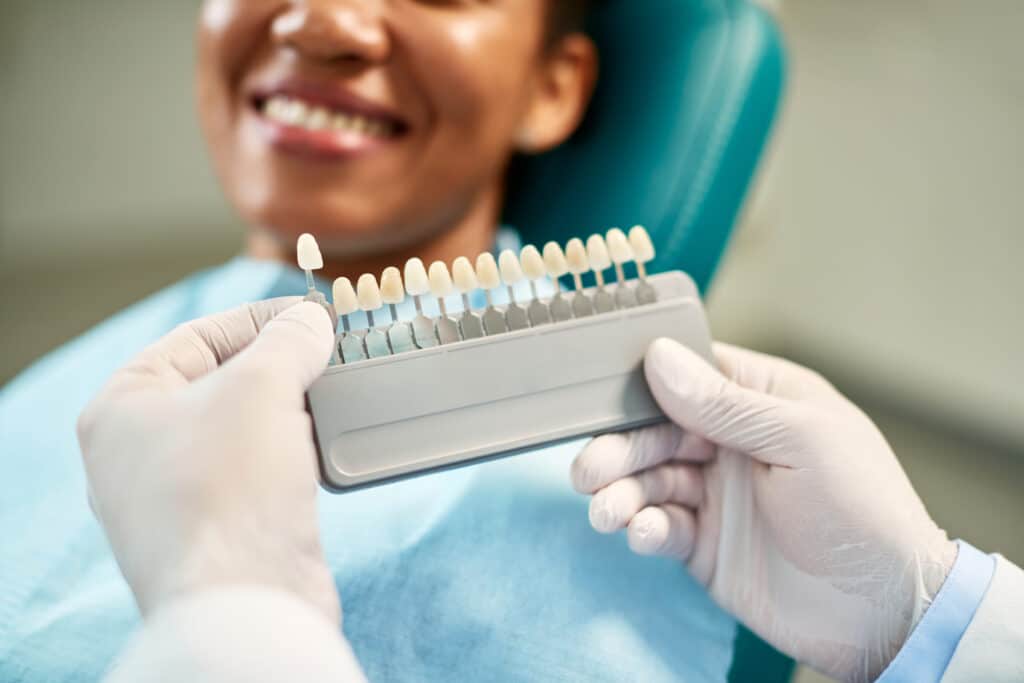
Consultation and Planning: You’ll chat with the dentist about what you want. Crooked teeth? Stains? A little laser pointer or phone photo might help them see your dream smile. They’ll check your teeth’s health – any cavities or gum issues need sorting first. This is also when you ask every question about affordable veneers, material, and maintenance.
Prep Work: For porcelain veneers, the dentist usually numbs the area and then gently shaves a thin layer of enamel off your teeth. (This is so the veneer doesn’t stick out and you get a snug fit.) They might take a dental impression or digital scan. If composite, they can often skip the labwork and sculpt right on your teeth in one visit. Either way, you might get a temporary tooth covering if porcelain work is being done, just so you’re not walking out with tooth nubs. (Temporaries cost extra too, by the way – often built into the quote, but check.)
Lab time (for Porcelain): This part happens away from you. A technician makes the porcelain shells based on your dental mold, shade, and shape preferences. This can take a week or two.
Bonding: You come back, the dentist tests the fit and color, makes tiny adjustments, then cement-bonds the veneers to your teeth. Lasers or special light usually cure magic. Voila – new smile. With composite, steps 3 & 4 often merge into one sitting, since the dentist is applying and shaping the material right then and there.
Final Touches: You probably leave with a new smile, but the dentist may do a quick follow-up after a couple of weeks. They’ll check how your bite feels and polish anything if needed.
Throughout this, you’ll be awake but should feel little pain – maybe a pinch or some pressure. Top tip: ask the dentist if they offer laughter gas or a TV show to watch, if you think you’ll be nervous. Some folks find the procedure… even relaxing! (True story: a friend dozed off for most of her veneer bonding. She woke up when the dentist said “all done, ready to smile?”.)
PROS AND CONS: THE SMILE AND THE REALITY
The pull of veneers is obvious: one procedure can fix multiple grin-gripe (discoloration, chips, shape issues), giving a natural-looking smile that lasts. You can bite into apples, (almost) guilt-free about a small chip, and take selfies with confidence. Porcelain veneers can be as white as your wish while still looking real – none of that fake billboard grin opacity.
But let’s keep it real. Potential downsides:
Cost (again): We talked numbers, but it’s worth stressing: it’s an investment. Is it more practical than doing teeth whitening and braces separately? Maybe yes, maybe no. But it feels like splurging on your smile. If money’s tight, composite gives you some of the glam at half the price.
Permanence: Once some enamel is removed for a veneer, that part of the tooth will always need some protective covering. You can’t pop them off, so consider it semi-permanent.
Chipping or wear: Porcelain is tough but not bulletproof. Hard bites (chewing ice, nails, etc.) can chip them. Composite is weaker against chips and stains. But don’t panic – chips can be repaired, and your dentist will teach you how to minimize risk. (Tip: skipping on nail-biting or using teeth as bottle openers is a good start.)
Maintenance: Veneers aren’t a “set and forget” deal. You still need to brush twice daily and floss. (Pro tip: use a non-abrasive toothpaste if your dentist recommends one, to avoid scratching the porcelain finish.) Unlike real teeth, you won’t get cavities in the veneer, but decay can still happen at the edges if you’re not careful. Regular check-ups are a must.
On the bright side, with minimal upkeep, veneers can last a long time. Many patients say they hardly think about them after a couple of months – it’s just part of their daily routine. You might even forget which tooth has the veneer! (Then your toothbrush or kid reminds you – in a good way.)
COST BREAKDOWN AND TIPS
Some savvy tips to keep in mind:
Get multiple quotes. Dentists’ fees can vary. It’s totally fair to visit 2-3 offices for an opinion and quote. You’ll notice small clinics might charge less than big-city practices. But don’t go bargain hunting at the expense of skill.
Check experience. Ask how many times the dentist has done veneers. Do they show before/after photos? It’s a big red flag if they just launched “instant veneer courses” on YouTube and now claim to be specialists.
Bundles and deals. Sometimes practices offer package prices for multiple teeth. This can actually be more cost-effective if you need 4 or more veneers, rather than single pricing each tooth. But clarify what’s included: some deals might not include follow-ups or replacements.
Financing. If paying up-front is tough, ask about payment plans. Many clinics have interest-free plans over 6-12 months. It’s worth spreading out the cost if that means getting higher-quality veneers you love.
TRUSTED INFO & AFTERCARE
For a reliable baseline of info, there’s even government-backed advice online. The Australian healthdirect website (run by the government) has a no-fluff section on veneers – confirming that “Porcelain veneers are generally more expensive than resin veneers” and that you should talk to your dentist about costs.
It also stresses taking good care of veneers so they last. For example, brush and floss normally, and book regular check-ups to catch any chips or stains early. These basics can keep your investment shining bright longer.
Caring for your new smile: Here are a few simple do’s and don’ts:
Do brush gently with a soft brush and fluoride toothpaste.
Do floss daily (ask your dentist for any special floss picks or brushes for veneers).
Don’t crunch ice or chew hard foods directly with a veneered tooth.
Don’t open bottles or packages with your teeth. (Seriously, we all know who does this.)
Avoid extremely staining agents (think: heavy coffee, red wine, curry, beetroot) or at least rinse after you enjoy them. Porcelain resists stains, but over time even it can take on a tint if neglected.
Follow up with your dentist. Usually, they’ll want to see you 1–2 weeks after placement just to double-check the bite and comfort. After that, just maintain regular 6–12 month cleanings.
With that, your veneers can stay sparkling. People often say they feel like it took a decade off their perceived age. And hey, who couldn’t use a little youth boost?
ALTERNATIVES: THINKING BEYOND VENEERS
Veneers aren’t your only option. Depending on your issue and budget, you might consider:
Teeth Whitening: If your main gripe is yellow or stained teeth, pro whitening (or at-home trays from a dentist) might solve it at a fraction of the price. (Just remember: whitening won’t fix chips or gaps – and it won’t lighten the veneer itself if you already have one.)
Dental Bonding (Resin Fillings): Similar to composite veneers but usually used on smaller areas. For tiny chips or cracks, your dentist can sculpt a resin “patch” on the spot.
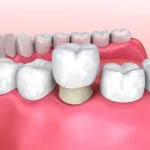
Crowns: If a tooth is badly damaged, a crown (cap) might be necessary instead of a veneer. Crowns cover the whole tooth but are more invasive (and expensive).
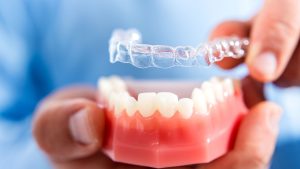
Braces or Aligners: Crooked teeth can be straightened, sometimes making veneers unnecessary. Braces cost money and time, sure, but if alignment is the issue it might be the healthier route.
Clip-On Veneers: Yes, those chew-gum veneers you can snap in and out. They’re super cheap but look, well, temporary. Kind of like Halloween teeth. Not a long-term fix, but some people buy them for photos or events (not recommended if you want a comfortable bite or serious look, though).
A smart move is to ask your dentist about all these: sometimes a combo helps (e.g. a tiny bit of bonding plus one veneer).
CHOOSING THE RIGHT DENTIST IN BRISBANE:
Finally, let’s talk about strategy. You need someone qualified and up-to-date. In Australia, there’s no official “cosmetic dentist” license, but many general dentists do cosmetic work.
Some dentists call themselves “cosmetic dentists” – just realize it’s a title, not a protected term. If you want extra assurance, look for a prosthodontist (a specialist in crowns, bridges, veneers, etc.) or someone who’s done lots of smile makeovers.
When searching, you might ask: – Do they show smile galleries (before/after photos) that aren’t heavily filtered? – What materials do they use? (Higher-quality lab ceramists can make a difference.) – Can they explain the price clearly, in writing, and what is included? – Do they offer to design your smile on a digital model before starting? (Some clinics have software so you can see a mock-up of your new teeth.)
Trust is key. If a dentist pushes you to do a full set when you just want a few, or hides information, walk away. The good ones will educate you and let you decide. A little skepticism on deals can save you from a panic-repair later.
In the end, affordable veneers in Brisbane are all about balancing dream smiles vs. budget. With composite veneers, you might get a quick fix that won’t break the bank, while porcelain is pricier upfront but more “set-and-forget.”
Talk to your dentist, see real cases, and stay savvy about costs. Whether you go for budget-friendly or top-tier, the right veneer can light up your grin and your confidence. Now, isn’t that worth a few more cents?
So what’s next? If you’re hooked, schedule that consultation and dive into designing your smile. Because at the end of the day, every budget deserves a reason to smile wide.
Frequently Asked Questions
How much do veneers really cost in Brisbane?
It varies a lot! In Brisbane, you might see composite veneers (the cheaper kind) for roughly $250–$800 per tooth, and porcelain veneers typically $1,000–$2,000+ per tooth. These ranges depend on the dentist’s fee, the number of teeth, and any extra work needed. Always get a detailed quote. Remember, advertised “from” prices often omit things like consultation, X-rays, temporaries or follow-ups.
Are composite veneers as good as porcelain?
They each have their pros. Composite veneers are quicker and more budget-friendly – usually done in one visit – and they’re easier to repair if something goes wrong. Porcelain veneers take longer (made in a lab) and cost more, but they look more natural and last much longer. For a truly affordable option, composite works well; for longevity and a very lifelike result, porcelain is top-tier.
Do veneers hurt?
Most people report minimal discomfort. The dentist numbs your teeth, so you shouldn’t feel pain during the procedure. Afterward, you might have some sensitivity for a day or two (like after a filling). If the dentist grinds away enamel (for porcelain veneers), they might give you a temporary fix in the meantime so you’re not walking around with prepped teeth. Tip: discuss sedation or relaxation methods if you’re nervous – many clinics offer gas or other comforts.
How long do veneers last?
Plan on several years at least. Composite veneers typically last around 4–8 years, while porcelain can stick around 10–15+ years with good care. Longevity depends on how well you care for them (brushing, flossing, avoiding hard foods) and your biting habits (if you grind teeth at night, mention it!). Routine check-ups will catch any tiny chips or staining before they become major issues.
Will my health insurance cover veneers?
Generally, no – veneers are cosmetic. Some private health insurance “extras” cover a tiny portion of it, but don’t count on it. It’s best to assume you’ll pay out-of-pocket. Check your own policy: even if there’s a slight rebate, it’s often not much.
Can veneers be whitened later?
Nope. Veneers (especially porcelain) won’t respond to teeth-whitening treatments. If you whiten your natural teeth after getting veneers, they might no longer match. The smart play is to whiten first if needed, then get veneers to match. After placement, keep them bright by avoiding stain foods or using a whitening-friendly toothpaste.
Any other pitfalls to watch for?
Just the usual – skip overly “cheap” deals without credentials, don’t expect veneers to fix alignment issues (they’re more about looks than bite), and remember they aren’t indestructible. But if you follow your dentist’s advice, veneers can be a safe, affordable way to transform your smile.