Brisbane runs on iced long blacks, calendar invites, and the quiet belief that your smile should look as sharp as your blazer. If you’ve got old silver fillings, you’ve probably wondered whether they still fit the vibe or whether they even fit your health goals.
I get it. Googling “mercury filling” can feel like opening a tab and accidentally starting a conspiracy podcast. So I wrote this guide to keep things grounded: I’ll explain what happens during Amalgam removal in Brisbane, what you’ll usually pay, and the real benefits (plus the trade-offs nobody mentions on Instagram).
If you want a starting point that feels calm and practical, talk to a Brisbane Amalgam Removal Specialist and use that consultation to map out a plan that matches your teeth, your budget, and your schedule.
Why people in Brisbane care about amalgam fillings
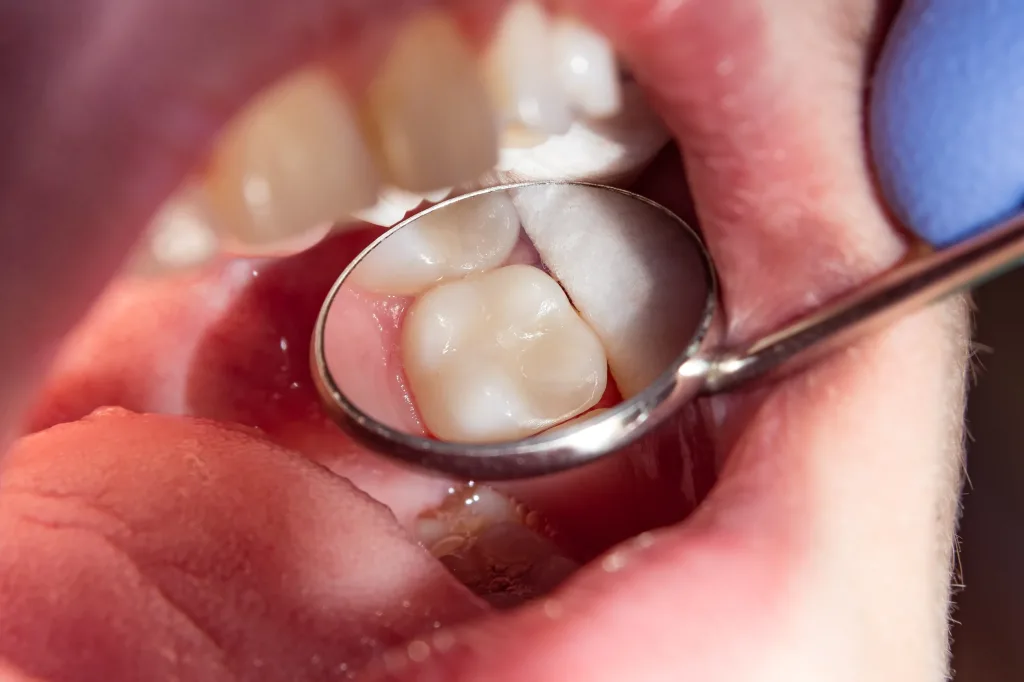
Dental Amalgam (aka “silver fillings”) mixes metals like silver, tin, and copper with mercury to create a strong restorative material.
When you read about it online, the word “mercury” usually steals the spotlight. Here’s the calmer context: Australian and international dental bodies generally describe set dental amalgam as a stable alloy, and they consider it safe and effective for the general population in appropriate clinical situations.
At the same time, health and environmental policy has nudged dentistry toward a “phase-down” approach, mainly because mercury matters in waste streams and environmental emissions, not because everyone with old fillings needs an urgent drill appointment.
Australia’s dental policy setting also aligns with treaty-driven moves that restrict bulk mercury and push use toward pre-dosed/capsulated forms.
If you want a practical “so what does that mean for me?” answer, I see these motivations come up again and again when people ask about Amalgam:
A filling cracks, leaks, or you get decay around it, and you need a replacement for dental reasons.
You want tooth-coloured restorations for a cleaner aesthetic (photos, presentations, dating apps… no judgement).
You sit in a group where guidance often favours alternatives when clinicians need new restorations (kids, pregnancy/breastfeeding, kidney disease, and rare allergy/hypersensitivity scenarios).
You want a clinic that takes exposure control seriously during removal (isolation, suction, cooling, and solid waste handling).
One important thing: if a filling feels fine and your dentist sees no decay or cracks, many authorities don’t recommend removing it “just because.” They flag two issues—removal can weaken tooth structure, and the drilling phase can temporarily increase exposure.
(Also, if you’ve ever wondered whether fillings release anything at all: Australian research has estimated low-level mercury release from existing restorations in adults. )
What the removal process looks like in a safety-focused clinic
I want your appointment to feel less like “random drilling” and more like a well-run pit stop: controlled, predictable, and designed to keep debris out of your mouth and out of the air.
The consult before any drilling
A good clinic starts with diagnosis, not vibes. I look for this order:
Your dentist checks the filling margins, cracks, gum health, and bite.
They use imaging when needed to confirm decay under the filling or deeper fractures.
You choose the replacement material (often composite; sometimes an inlay/onlay or crown).
If you have multiple teeth, they map out a staged plan that keeps your bite stable and your jaw from hating you.
The protective steps that actually matter
Research shows that removal can generate mercury vapour and particulate when clinicians drill into these restorations. That’s why the practical controls matter.
In a safety-focused setup, your dentist typically does the following:
Rubber dam isolation: they seal off the tooth so you swallow less debris and keep the field controlled.
High-volume suction close to the tooth: they capture particles and vapour at the source.
Water cooling: they reduce heat and limit vapour generation during drilling.
Cut-and-lift technique (sectioning): many clinicians cut the filling into chunks and lift pieces out rather than grinding everything into dust (less “snow storm,” more “neat demolition”).
Air management: some clinics run added filtration or at-source capture during aerosol-producing dentistry.
If you would like to verify “best practice” (and you want a local reference), skim this Queensland Government resource on clinical use and waste handling.
The rebuild and the bite check
After removal, your dentist cleans the site, rebuilds the tooth with your chosen material, and then checks your bite. I’m picky about that last step because one slightly “high” restoration can trigger jaw soreness fast.
Quick comparison table
Element
Standard replacement visit
Safety-focused removal visit
Isolation
Cotton rolls + suction
Rubber dam isolation
Debris control
High-volume suction
High-volume suction + controlled sectioning
Heat management
Water spray
Water spray + careful cooling and cutting
Air quality
Room ventilation
Added filtration/capture (varies)
Waste handling
Usual clinical waste
Amalgam capture + compliant disposal
Insert image of: rubber dam setup + high-volume suction tip (close-up, not graphic) here.
Costs in Brisbane and what changes the price
Nobody enjoys surprise invoices, especially not after you’ve already held your mouth open like a very polite python. So here’s the direct answer: clinics usually price Amalgam removal as a replacement restoration. Your final number depends more on what you put back in than on “taking the old one out.”
Real-world cost ranges in Brisbane
Fees swing a lot across Australia and by state. CHOICE highlights geographic price variation using fee-survey data, including filling costs.
To help you compare quotes, I’ve pulled together ballparks that match what Australian cost guides and Brisbane clinic pricing pages commonly show:
Ceramic inlay/onlay or crown: higher again because lab work (or lab-style milling) and extra appointments add time and cost.
Scenario
What you’re paying for
Ballpark fee range (AUD)
Small composite replacement
Short visit, minimal build-up
$150–$300
Large composite (molar)
More shaping, more chair time
$300–$650
Ceramic inlay/onlay
Scan/impressions + lab work
$900–$1,800+
Full crown
Prep + lab + multiple visits
$1,300–$2,500+
Added protocol time/equipment
Extra controls some clinics add or itemise
Varies—ask for itemised quote
What makes the quote jump
If you want to “read” a quote like a pro, focus on these drivers:
Size and location: back teeth need more force-resistant design and chair time.
What sits underneath: decay or cracks can escalate the plan from filling to onlay/crown.
Material choice: ceramic usually costs more than direct resin, and it can require extra visits.
Comfort options: some clinics offer nitrous/sedation at added cost (availability varies).
Staging: multiple shorter visits can price differently to one longer session..
Benefits and trade-offs you should know
I’ll keep this honest, because you deserve more than hype.
Benefits you can see (and sometimes feel)
Most people notice the biggest change in photos: tooth-coloured restorations look more natural than a dark patch when you laugh mid-story at Friday arvo drinks.
On the practical side, when a dentist replaces a cracked or leaky restoration, they can reduce the chance of deeper decay and bigger repairs later (the boring benefit that saves you money and pain).
You may also feel calmer after a clear, evidence-based plan—peace of mind counts, even if it never shows up on an x-ray.
Trade-offs people forget
Amalgam removal can spike exposure briefly because drilling creates heat and particles, which is exactly why isolation, suction, cooling, and good waste capture matter.
You can also lose healthy tooth structure if you replace a sound filling without a clear clinical reason. The Oral Health Foundation warns that removing healthy restorations can weaken the tooth and can temporarily raise exposure during the procedure.
Now for the spicy part: the internet loves “detox” promises. Research does show that mercury biomarkers can drop after clinicians remove restorations, but broad symptom improvement isn’t guaranteed, and systematic reviews still describe the evidence for subjective symptoms as uncertain.
Conclusion
If you live in Brisbane and you’re thinking about swapping old silver fillings (including Amalgam), I want you to make the call like you’d choose a suit: based on fit, fabric, and facts not panic.
A smart plan looks like this: you book a proper exam, you confirm you actually need removal, you choose a replacement material that matches your bite and lifestyle, and you stage the work so your mouth (and your bank account) doesn’t hate you.
Book a consultation with a dentist who explains the risks and benefits clearly, shows you the safety steps they use (isolation, suction, cooling), and gives you a written quote before they start.
Frequently asked questions
Does Amalgam removal hurt?
Most people feel pressure and vibration, not sharp pain. Your dentist can use local anaesthetic, and if anxiety hits you hard, ask whether the clinic offers nitrous or other comfort options.
Should I remove fillings that feel fine?
I wouldn’t rush. Many professional and health bodies tell patients not to remove sound restorations without a clinical reason, because removal can weaken tooth structure and can briefly increase exposure during drilling.
How long does one tooth take?
A simple replacement often takes 30–60 minutes. Bigger molar work can take longer, and ceramics often need more than one visit.
What replaces the old filling?
Most people choose composite (white resin). Depending on the tooth and bite forces, your dentist might recommend glass ionomer, a ceramic inlay/onlay, or a crown.
Can I do multiple teeth in one visit?
Yes, and plenty of people do. If you have several back teeth involved, ask your dentist about staging so you protect bite accuracy and keep post-appointment soreness manageable.
Will removal improve fatigue, brain fog, or other symptoms?
Some people report improvements, but research doesn’t guarantee a universal effect. Studies show biomarker changes after removal, while systematic reviews describe uncertain effects on self-reported symptoms when people attribute subjective complaints to their restorations. If you have bigger symptoms, talk to your GP and treat strong online claims with caution.