Bad Breath (Halitosis): Causes, Treatments and Prevention
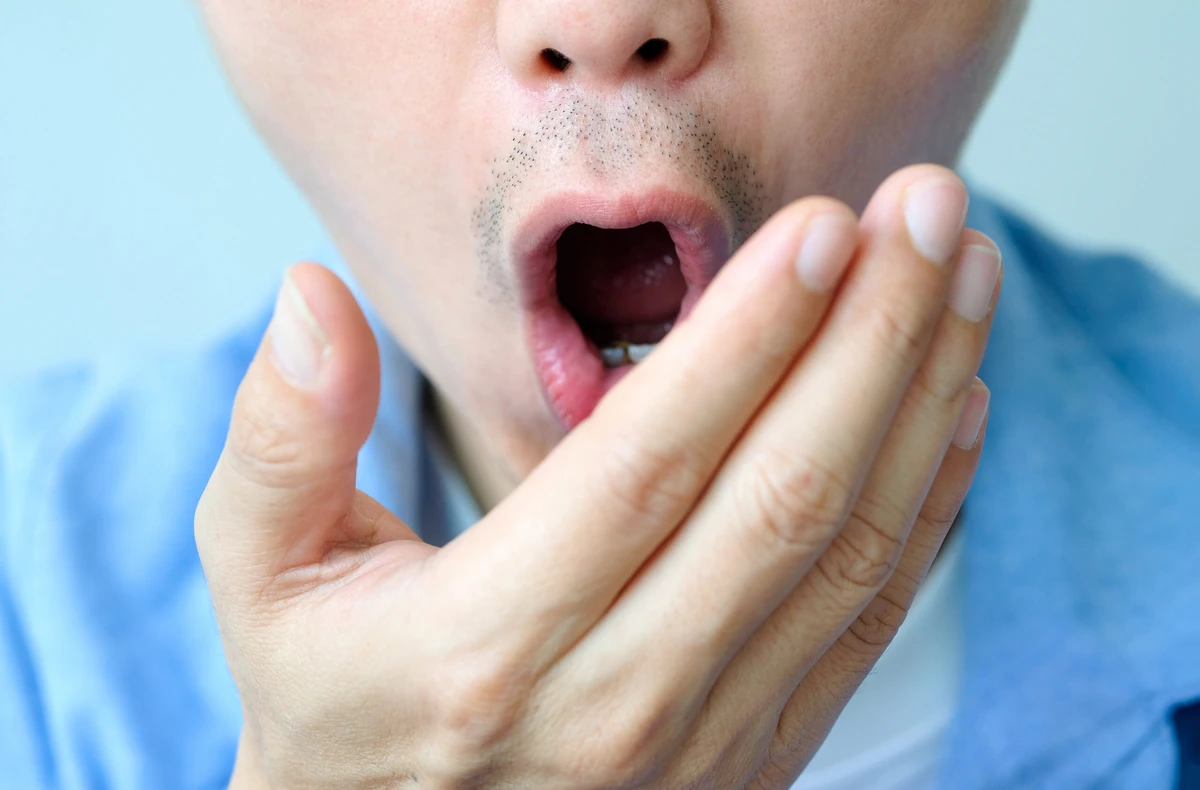
Ever leaned in for a chat only to be greeted by that souvenir from last night’s curry? If your morning breath could kill—well, you’re not alone. Halitosis (aka bad breath) is so common that even the Queensland government has words of wisdom on it.
Most of us wake up with a bit of mouth funk from bacterial action while we sleep. But when those dragon-breath moments stick around all day, it’s time to take charge. In this article, I’ll walk you through why bad breath happens, how to fix it, and how to stop it before your next big meeting—no sultry date ruined, promise.
Firstly, a quick reality check: halitosis isn’t magic, it’s mostly bacteria. Every mouth is home to tonnes of bacteria feasting on leftover food bits. These microbes produce gassy byproducts (think sulphur) which stink. Queensland health authorities explain that most bad breath actually originates in the mouth – plaque, gum disease or tooth decay are usual culprits.
Some other factors spice up the issue: drying out your mouth with coffee or not drinking enough water, munching strong-smelling foods (garlic, onions – yum, but smelly!), smoking or vaping, and even issues like sinus infections or acid reflux can push bad breath to supernova levels. In short, bad breath is usually your mouth (or gut) throwing an olfactory tantrum, not some mystical curse.
Common Causes of Bad Breath
Halitosis boils down to one main trigger: mouth bacteria. But several conditions fuel the bacteria party:
Poor Oral Hygiene: Skipping brushes, dodging floss, or napping with last night’s food debris all invite bacteria to thrive. Plaque along the gum line and between teeth often produces the foul smell of gum disease.
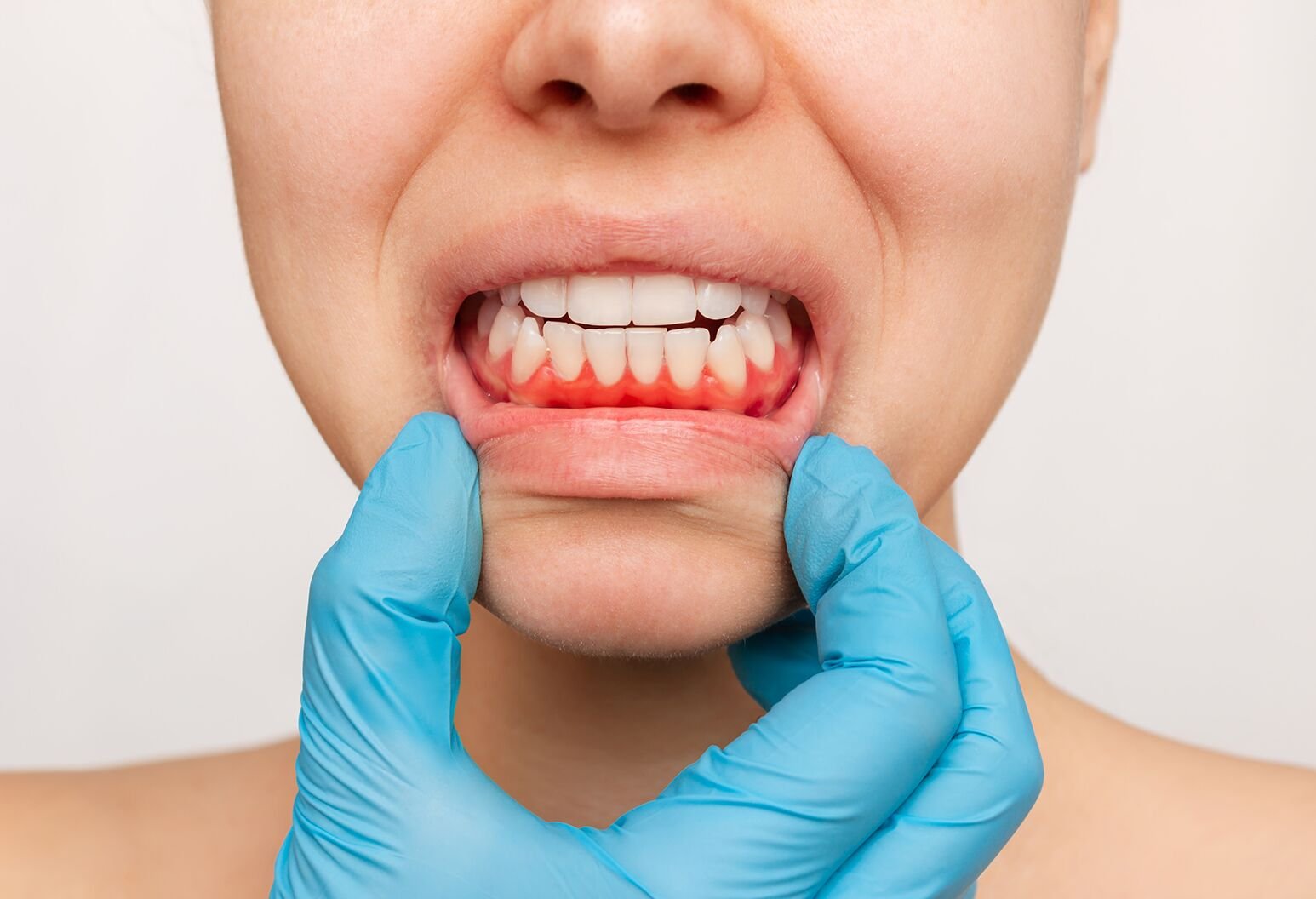
Gum Disease & Tooth Decay: Infected gums or cavities are like little stink factories. Bacteria beneath the gumline release odor as they attack tissue.
Dry Mouth (Xerostomia): Saliva cleans your mouth. When saliva drops (morning sleep, dehydration, medications, Aussie summer heat or conditions like diabetes), bacteria multiply. That’s why “morning breath” is a rite of passage – your mouth’s been a desert all night.
Food and Drink: Onions, garlic, curries – we love ‘em, but their smelly oils absorb into your bloodstream and reek on the exhale. Coffee and alcohol aren’t kind either, drying you out and leaving a trace.
Smoking & Vaping: Besides smelling like an ashtray, tobacco chemicals dry out saliva and feed nasty bacteria.
Health Issues Beyond the Mouth: Sinus infections or post-nasal drip can drip smelly gunk into the throat. Tonsillitis or tonsil stones (those tiny calcified debris in your tonsils) stink like rotten cheese. Acid reflux (GORD) can bring stomach acid up into the throat. Even systemic diseases like diabetes or kidney problems are sometimes behind chronic bad breath.
Trigger
How it Affects Your Breath
Bacteria in the Mouth
Feasts on leftover food and releases volatile sulfur compounds (that’s the culprit smell).
Dry Mouth
Less saliva = less cleaning. Overnight or due to meds, mouth dries and bacteria pile up.
Foods (Onion/Garlic, Coffee, Alcohol)
Strong-smelling oils enter the bloodstream or dry out mouth, causing a pungent exhale.
Gum Disease/Tooth Decay
Infected gums or cavities harbour bacteria. They emit foul odors as they destroy tissue.
Smoking/Vaping
Stinky smoke + dry mouth = double trouble.
Sinus/Respiratory Issues
Post-nasal drip and infections bring in stinky mucus and bacteria from nose or lungs.
Systemic Conditions
Certain illnesses (e.g. diabetes) change mouth chemistry, occasionally causing sweet or fishy odors.
(Table: Common culprits and how they lead to halitosis.)
Most importantly, don’t panic over a one-off bad breath episode. We all have off days after that extra garlic bread or a night with too much red wine. It’s the persistent stink that deserves detective work. As someone who’s chatted with many a worried Brisbane client, I always say: if bad breath is hanging around past brunch time despite your morning brush, it’s time to take action.
Treatments: How to Freshen Your Breath
So, you’ve pinpointed the stinky cause – now what? Treating halitosis is a bit like a recipe: use the right ingredients and steps, and the stink goes away. First things first:
Dental Check-up and Cleaning. If bacteria and plaque built up over time, you might need professional help. Think of it as calling the cleanup crew. Dentists can give you a professional scale and clean (that means scraping off hardened tartar and polishing) which drastically cuts down bacteria hiding in places your toothbrush can’t reach. I can’t stress it enough: even with stellar daily brushing, a yearly clean cuts down on gum disease and its awful smell.
Daily Brushing & Flossing. Attack the problem at its source. Brush twice a day (after breakfast and before bed) with fluoride toothpaste. I always joke that your toothbrush is your first line of defense in this war. And flossing? Non-negotiable. Flossing removes stuck bits between teeth where plaques hide and smells lurk. Cleaning your tongue also helps: a tongue scraper can dislodge odour-causing gunk at the back of the tongue.
Mouthwash and Medicated Rinses. Mouthwash won’t solve a tooth decay problem, but it’s a great sidekick. Choose one with antibacterial ingredients like zinc or chlorhexidine, or simple peppermint for a quick fresher feel. Avoid sugary or alcohol-heavy rinses (alcohol dries you out further). Ask your pharmacist for a mouthwash made for you – they can help, too.
Diet and Home Tips. This is where your morning coffee or after-lunch parsley comes in. Drinking plenty of water is huge: it flushes bacteria and prevents dry mouth. Chewing sugar-free gum (with xylitol if possible) helps kick saliva into gear—saliva is nature’s mouthwash. Just watch out for sugary mints; they give breath a short boost but long-term tooth decay (not worth it).
If Underlying Issues Exist. If your stink-source is not your mouth (say, sinusitis or GORD), treatments will target those causes. For example, managing acid reflux with diet changes or seeing a GP for chronic sinus infections might clear the air. If an infection is causing the smell, your doctor might prescribe antibiotics.
In Brisbane clinics, we often see relief from simply fixing neglected cavities or gum disease. Once the infection is gone, breath magically improves.
Products & Aids: Sometimes, adding in tools makes a difference:
Tongue scraper (I keep one on my nightstand) used daily can slay leftover bacteria.
Electric toothbrushes: some studies suggest they remove more plaque than manual ones.
High-tech mouthwashes or sugar-free gum after meals when you’re out and about.
If your dentures or braces are a thing, make sure you clean those nightly. Bacteria build-up there also causes halitosis.
Remember, consistent hygiene + professional care = minty future. Combining brushing, flossing, mouthwash, and regular check-ups will shut down 90% of halitosis triggers.
Preventing Bad Breath: Daily Habits
Prevention is truly better than cure. Keeping halitosis away is all about routine. Here’s a rundown of simple habits that keep your breath as fresh as a sea breeze at Surfers Paradise:
Brush & Floss Religiously: Twice a day brushing plus daily floss removes plaque that causes odours.
Clean Your Tongue: Once a day, use a scraper or toothbrush on your tongue to banish bacteria.
Hydrate, Hydrate, Hydrate: Water is your friend! Staying hydrated, especially in Queensland’s warm climate, prevents dry mouth. Keep a reusable water bottle handy.
Regular Dental Visits: Visit your dentist every 6–12 months. They’ll spot issues (like hidden cavities or gum trouble) before they become full-blown stinkers. Plus, that scale and clean refreshes your mouth completely.
Mind Your Diet: Chewing on crunchy fruits and veggies (like apples or carrots) can help clean teeth naturally. Avoid or rinse after odour-heavy foods (onion, garlic). Limit coffee and alcohol—they dry you out.
Quit Smoking/Vaping: This is both a breath saver and a general health win. Smokers often have chronic halitosis that no mouthwash can fully mask.
Use Sugar-Free Mints or Gum Sparingly: They’re a quick fix on the go, but not a replacement for brushing. Xylitol gum after meals is a bonus for saliva production.
A quick note on pregnancy or medications: if you’re on certain meds or expecting, dry mouth can increase. In that case, extra sips of water and chewing sugar-free gum (with your GP’s okay) help a lot.
As Queensland Health recommends, keeping up these habits and seeing a dentist regularly can prevent and minimise bad breath. It’s really just good oral hygiene – nothing mysterious.
Living with Halitosis: Lifestyle Reminders
Let’s add a bit of real-talk. Even with the best habits, sometimes life throws you a curveball: you might nurse that strong chicken curry for days. In those times:
Air Fresheners for Mouth: Chew parsley or mint leaves, or nibble on fennel seeds after a meal to neutralise odours naturally.
Scheduling is Smart: If you know you’re indulging in a garlic fest tonight, book a dental check or get ready to double-brush tomorrow morning.
When to Seek Help: If you’ve tried everything (good hygiene, hydration, diet tweaks) and the issue persists, head to a dentist. It might signal something bigger, like hidden gum disease or even metabolic issues. They can test for “volatile sulfur compounds” and figure out stubborn cases.
Living in Brisbane, we’re blessed with plenty of dental clinics and support. Don’t overlook local resources: Queensland’s health website explicitly says a dental practitioner can “help identify the cause and offer solutions” for bad breath. It’s not embarrassing – it’s why we’re here!
Conclusion
Bad breath might be common, but it’s manageable. Think of halitosis as a call-to-action: a chance to clean up your routine and health. By brushing, flossing, hydrating and popping into the dentist’s chair regularly, you’re not just erasing bad breath—you’re investing in a healthy mouth and confident smile.
Remember, I’ve seen it all (and smelled it too!). There’s no shame in saying “help me fix this.” Fresh breath in Brisbane means you can chat up that cute barista or nail the big presentation without worry. If you’ve read this far, you’ve already taken the first step. Now, let’s keep that breath fresh and the confidence high. Book that dentist appointment, grab your favourite toothpaste, and get ready to breathe easy.
Ready for a minty-fresh life? Take charge today: clean your teeth, kick those bad habits, and watch your confidence soar!
Frequently Asked Questions
1. What causes halitosis (bad breath) and is it normal? Halitosis happens when mouth bacteria digest leftover food or cells, emitting sulfurous smells. Morning breath is normal (low saliva overnight), but persistent bad breath often comes from poor oral hygiene, gum disease or other issues (sinusitis, reflux).
2. Can mouthwash or sprays cure my bad breath permanently? Mouthwashes can help short-term by killing bacteria or masking smells, but they’re not a permanent fix. The key is addressing the root causes: consistent brushing, flossing, and treating any dental problems. Think of mouthwash as a quick freshener, not the whole solution.
3. How can I prevent bad breath in everyday life? Good daily habits are your best defense. Brush teeth (and tongue) twice a day, floss daily, stay hydrated, and visit the dentist regularly for cleanings. Eating crunchy fruits, chewing sugar-free gum after meals, and avoiding tobacco will also keep smells at bay.
4. When should I see a dentist or doctor about my bad breath? If mouth hygiene and home remedies don’t help after a week or two, see a professional. If you also have bleeding gums, tooth pain, or feel self-conscious often, a dentist can find underlying issues (like gum disease) and treat them. Persistent halitosis can sometimes hint at other conditions, so don’t hesitate to get expert advice.

 27Jul
27Jul
 24Jul
24Jul
 22Jul
22Jul