Burning Tongue Syndrome: Dental Causes You Shouldn’t Ignore
Ever woken up feeling like you actually devoured a barbie before bedtime, even though it was just a toasted sandwich? That’s your tongue on fire...

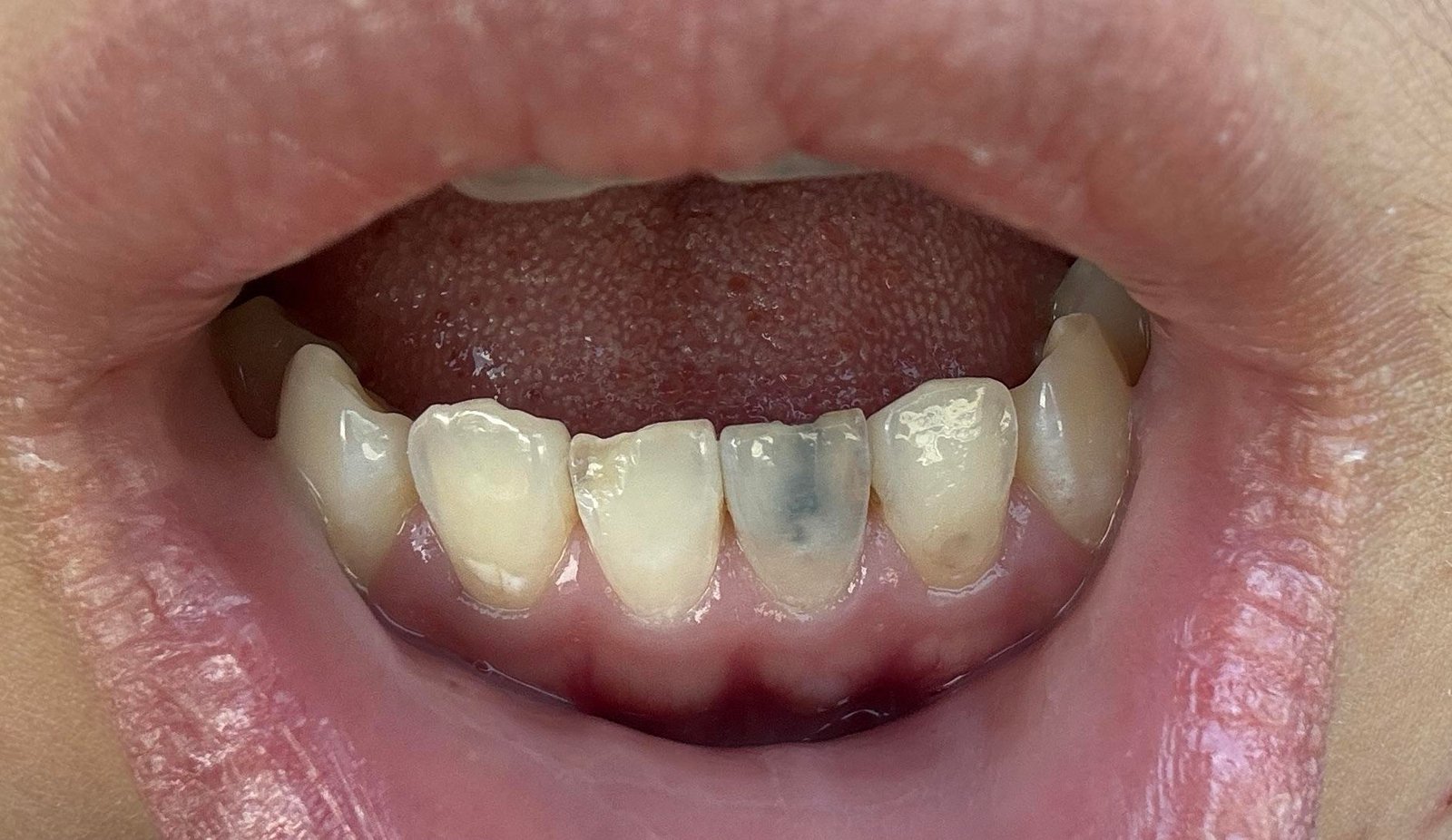
Have you ever poured a fresh coffee on a sunny Brisbane morning, flashed your grin in the mirror and winced? I know the feeling. One day your teeth feel bright and clean, the next they look more sunset-beige than brilliant white. It’s not your imagination or bad luck, it’s just what happens to many of us.
In this down-to-earth guide, we’ll chat about why teeth darken and what you can do about it, Aussie style. Think of it as a friendly coffee catch-up about your smile, complete with witty analogies and real-talk tips.
Teeth darken for two big reasons: external stains and internal changes. Imagine your tooth enamel (that hard outer shell) like a T-shirt. A new white tee can get stained by coffee, wine or grass stains. Over the years, even the tiniest spills add up. Meanwhile, the inside of the shirt (the lining) might fade or fray – that’s like your dentin (the yellowish layer under enamel) becoming more visible as you age or if the enamel wears away.
Both everyday habits and aging play a part. Left: bright white teeth; right: teeth that have picked up coffee stains, age spots and floss-adventure tales.
In short, If you sip a soy vanilla latte every morning (guilty!) or had braces or a root canal in the past, some teeth might take on a darker hue. It’s totally normal and fixable – nothing to panic about. Later we’ll talk fixes. But first, let’s dive deeper into some of the main culprits:
To keep it super clear, here’s a quick table of common stains and how they form:
| Stain Type | Examples | How It Happens |
|---|---|---|
| Coffee/Tea | Daily brews, caffeinated drinks | Tannins attach to enamel; acid etches surface for easier stain uptake. |
| Red Wine/Juice | Wine, berry/blast juices, sports drinks | Color pigments + acid soften enamel; pigments cling and stain. |
| Tobacco | Cigarettes, cigars, vaping, chew | Nicotine/tar deposit on enamel (vaping can release pigments too). |
| Poor Hygiene | Skip brushing/flossing | Plaque traps pigments; tartar buildup holds stains on tooth. |
| Diet/Sauces | Curry, tomato sauce, soy, Vegemite, beets | Strong pigments and dyes coat teeth with each exposure. |
| Enamel Wear | Age, grinding, acid erosion | Thinner enamel shows yellow dentin beneath, making teeth look darker. |
| Trauma/Decay | Accidents, untreated cavities | Internal discoloration (tooth “dies” or darkens from inside). |
| Medications | Tetracycline (in kids), antihistamines | Chemicals bind to enamel/dentin during formation, causing gray/brown lines. |
Notice how many of these are just everyday life stuff! Here in sunny Brisbane we love our coffee, cold press, morning lattes and lively barbecues. The sun’s not the only thing shining on us – those habits shine color onto our smiles too.
The great news is you’re not helpless. A few smart moves can keep your grin from becoming a dull neon sign. Here’s how to be proactive, Aussie style:
A professional cleaning can do wonders: the dental hygienist meticulously scrapes off tartar and stains, leaving the tooth surface sparkling.
Even official health advice backs this up – a Victorian health portal reminds us to “brush twice a day, floss once a day, do not smoke and limit … food and drinks with strong colours such as black coffee and red wine” for a longer-lasting bright smile. It’s not rocket science, it’s just good daily habits.
| Cause | Why Teeth Darken | Quick Fix |
|---|---|---|
| Coffee, Tea, Red Wine | Pigments (tannins) stick to enamel; acid etches it | Use a straw; rinse after drinking; brush soon after |
| Tobacco (Smoke/Vape) | Tar and chemicals build up on teeth | Quit or cut back; switch to sugar-free gum |
| Sugary/Acidic Foods | Acid wears enamel, exposing dentin | Limit sipping sodas; chew sugar-free gum; brush |
| Poor Brushing | Plaque lets stains settle | Brush + floss daily without fail |
| Enamel Wear | Aging, grinding or acid erosion thins enamel | Use toothpaste for sensitivity; protect teeth (night guard) |
| Medications/Fluoride | High fluoride or certain drugs during development | Prevention is key; later fix with veneers |
Okay, so you’ve tightened up your routine and noticed some improvement – great! But what if you want that wow factor, or have deeper stains? That’s where professional whitening comes in.
Dentists offer safe, effective treatments that can whisk years of coffee and tea stains away. In-office bleaching sessions (often called Zoom whitening or laser whitening) use concentrated gel and lights to lighten enamel by several shades in about an hour. For gentler options, your dentist might give you a custom tray and peroxide gel to use at home over a couple of weeks. Both can make a dramatic difference faster than any store-bought strip.
And yes, teeth whitening treatment can seriously brighten things up. It’s tempting to try generic whitening kits, but they’re weaker and can sometimes irritate gums. A pro treatment maximizes results while keeping sensitivity in check. Think of it like choosing between a home hair dye kit versus a salon stylist – you’ll probably get a better colour and care from the pro.
Other cosmetic fixes for stubborn stains include veneers or crowns: these cover the front of teeth with new material (porcelain or composite). They’re usually used when a tooth is permanently dark (like from trauma) or if whitening alone won’t do.
For example, if a single front tooth turned gray after a root canal, a dentist might recommend a veneers or crown on that tooth. But we usually start simple: cleaning and whitening, because those work for most cases.
Modern whitening: Dentists can use bleaching gels in-clinic for a super-bright result (right). Remember, though, maintaining that shine still needs good habits and periodic top-ups.
By now you know the drill: coffee, copper stains and father time are common culprits, but you can fight back. A solid routine (brush, floss, rinse) plus dental check-ups keeps many stains at bay. Watching your diet and giving your teeth occasional whitening treatments can restore that vibrant glow.
One of the best parts? You’re not alone in this quest. Everyone’s teeth are swimming in a sea of yellowish dentin — it’s your toothpaste and habits that keep the “sea” at bay. I’ve been through it, and so have mates. And believe it or not, a brighter smile really can boost your confidence at that next 5am surf lesson or office meeting.
Ready for your brightest smile yet? Schedule a teeth clean or whitening session with your local Brisbane dentist. Or at least give your morning brew a straw salute from now on. Don’t hide your grin – tackle those darker teeth head-on and keep flashing those confident, pearly whites.
Q: Even though I brush twice a day, why are my teeth getting darker?
A: Brushing helps, but coffee, tea, wine, ageing, genetics, and enamel wear can still make teeth look darker. Regular dental cleans can remove stains that brushing misses.
Q: Can drinking coffee through a straw keep my teeth whiter?
A: Yes. A straw reduces contact between dark drinks and your teeth, which helps prevent surface stains from building up over time.
Q: Do whitening toothpastes really work?
A: Whitening toothpastes can remove mild surface stains, but they won’t dramatically lighten deep or internal discolouration. Professional whitening delivers better results.
Q: Is a dark tooth ever a sign of a dental problem?
A: Sometimes. A tooth that suddenly turns grey or dark may indicate decay, trauma, or a damaged nerve. If you notice a sudden colour change, book a dental check-up promptly.
 27Jul
27Jul
 24Jul
24Jul
 22Jul
22Jul
Nearly invisible, removable aligners, 3D-scanned and planned in-house by our Paddington dentist. Book a free consult and we'll tell you if Spark suits your teeth and give you an exact quote.
Simple cases only. Final price depends on treatment complexity; clinical assessment required.