Ever wake up feeling like you’ve been in a metal rock concert all night long? If your jaw hurts more than a Monday morning after a weekend out, chances are you’re in the club of people who grind their teeth.
Shifting from peaceful sleep to involuntary molar murder by sunrise is jarring. Bruxism (tooth grinding) is surprisingly common and can slowly chip away at your smile. But there’s good news: a dental crown might just be the secret weapon you need.
What’s With All the Grinding?
Bruxism basically means you clench or grind your teeth, usually when you’re asleep or stressed. Many of us grind without even realising it—your bed partner might hear the telltale gnash-gnash sounds at 3 AM. Stress, caffeine, and even a misaligned bite can trigger it. Over time, all that force can hurt your teeth and jaw.
Signs you might be grinding:
Worn or flattened teeth surfaces
Morning jaw aches or headaches
Teeth that suddenly feel sensitive or get chipped
Even neck or ear pain
Dentists in Brisbane see this a lot. If you notice any of these signs, bring them up at your next check-up or chat with your dentist. From there, your dentist will tell you if a mouth guard should be the first step, or if a crown might be needed down the road.
For hands-on crown solutions, you might schedule a consultation with a Trusted crowns dentist in Brisbane who offers same-day porcelain crowns (you heard that right!) to save your smile.
Why It’s a Big Deal
Grinding feels harmless (you’re asleep, after all) but the wear adds up fast. Imagine your teeth as a sandcastle: each night’s grinding is like waves slowly eating away at it. Enamel can wear thin, cracks and chips appear, and the chewing edges become flat.
Ignoring it could eventually lead to loose teeth or even a root canal. Ouch! It’s kind of like letting your car tire go flat before changing it—sooner or later, something’s gotta give.
Dental Crowns: The Crown Jewel of Dentistry
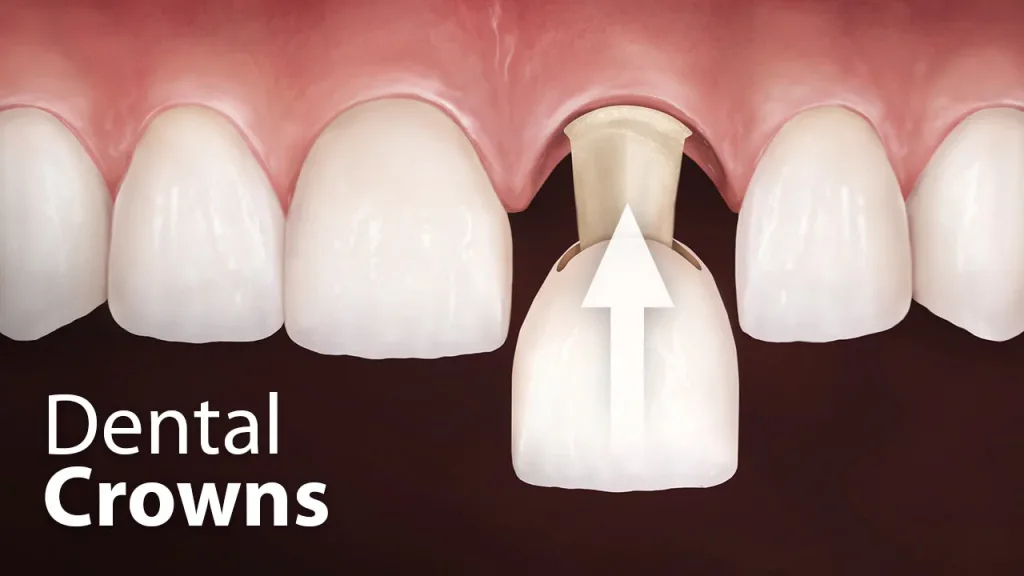
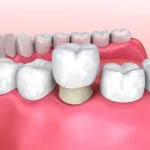
So where do dental crowns come in? Think of a crown as a custom-made helmet for a tooth. It’s a tough cap (often porcelain, resin, or metal) that covers and strengthens a damaged tooth.
Dentists use crowns to restore teeth that have been cracked, weakened, or worn down by grinding. In other words, a dental crown stands between your precious tooth and all that nightly battering.
Crowns mimic the shape and color of natural teeth, so once it’s on, no one can tell you’re wearing one. But underneath that pretty shell, the crown is made to take the worst of the impact. It protects the tooth and actually makes it stronger, so you don’t keep grinding through natural enamel.
How Dental Crowns Help with Grinding
When bruxism has already done some damage, dental crowns can help in a few ways:
Protection: Dental crowns create a barrier between your tooth and the nightly gnashing. Instead of natural enamel getting worn down, the crown takes the hit.
Strength: Weakened or cracked teeth become strong again. A crowned tooth is much more likely to withstand your grinding pressure without breaking.
Alignment help: Crowns can adjust the way your teeth meet. Fixing your bite might actually reduce how much you grind in some cases.
That said, crowns don’t cure stress or end the grinding habit. They just protect what’s already there. It’s like adding armor to the last line of defense. You’ll still need to tackle the cause (stress, caffeine, etc.) to really stop the grinding.
For example, different crown materials have different trade-offs:
Crown Type
Pros
Cons
Porcelain/Resin
Natural look, bonds well to tooth
Slightly less durable under heavy force
Zirconia
Extremely strong, tooth-colored
Very hard (can wear opposing teeth)
Metal (e.g. gold)
Super strong and durable
Doesn’t look like a natural tooth
Each type has its perks. Porcelain (the tooth-colored stuff) looks great, Zirconia is like space-age strong, and metal crowns (often gold or alloy) last forever but aren’t pretty. Your dentist will help pick which one suits your situation and goals.
Getting Crowned (Step-by-Step)
Curious about the process? It’s pretty straightforward:
Check-Up: I’ll examine your grin and take X-rays to see how worn things are. If we agree a crown’s needs, we move on.
Tooth Prep: The dentist numbs the area and then reshapes the old tooth, gently trimming some enamel so the crown fits perfectly.
Impressions: Next, we take an impression (or digital scan) of your tooth. This data goes to a lab where your custom crown is made. In the meantime, a temporary crown protects your tooth.
Crown Fitting: When your new crown is ready (often in just a day with modern tech), we put you back in the chair. We remove the temp, place and adjust the final crown so it fits comfortably and looks right, then cement it on.
Follow-Up Care: After it’s done, treat your crown like one of your teeth. Brush and floss it gently, and come back for check-ups. Using a night guard is still wise — think of it as a soft pillow for both your teeth and crowns.
With today’s dental tech, some dentists even craft same-day crowns in-office, meaning you could leave with a new crown just hours after your appointment. Fancy, huh?
Life After the Crown
Once you’ve got your dental crown in place, some TLC will make it last. Keep up your oral hygiene – brush and floss daily, including around the crown. Avoid chewing ice, popcorn kernels, or hard nuts if you can; even crowns can chip under extreme pressure. And yes, still wear that night guard if you grind – it protects both your crowns and your remaining natural teeth from further damage.
Australia’s official healthdirect site notes common bruxism triggers like stress, caffeine, alcohol or some medications, and it recommends relaxation exercises or a custom mouthguard to protect your teeth. This reminds us that the best strategy is a mix of solutions: manage your stress, use a guard, and consider crowns or other fixes to rebuild any worn teeth.
Dental Crowns vs Guards: Teamwork in Your Mouth
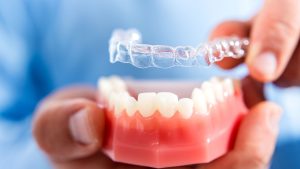
Think of dental crowns and night guards as a tag team. A night guard cushions your teeth during sleep to prevent new damage, while a crown repairs teeth that have already suffered. Often you’ll use both – a guard to stop future wear and a crown to fix past wear. Sometimes a custom night guard alone can save a tooth from needing a crown later. In short: guard + crown = peace of mind.
Finding Your Dental Crown Specialist
Your next step is to book a dentist appointment. Look for someone skilled in restorative dentistry who explains things clearly. In Brisbane, plenty of dentists specialize in crowns and full-mouth rehabilitation. Check reviews or ask around. A good dentist will discuss whether dental crowns are right for you and may offer same-day crown technology.
Ready to give your smile the royal treatment it deserves? Don’t wait for the problem to worsen. Chat with a dentist about dental crowns or guards now. Your future self will thank you — every morning can start without a headache when you protect your teeth with the right solution.
Conclusion
Grinding your teeth can feel like a never-ending battle, but you don’t have to go it alone. Dental crowns can rebuild and protect teeth that bear the brunt of bruxism, giving you back strength and confidence in your smile.
Combined with lifestyle changes and perhaps a custom night guard, crowns become a powerful tool in stopping the damage. Your well-rested, pain-free mornings start with action – book that dental check-up today.
FAQs
What exactly is a dental crown?
A dental crown (or cap) is a strong cover custom-made to fit over a damaged tooth. It looks like a natural tooth and restores shape, size, strength and function. Crowns are used when teeth are cracked, worn, or have big fillings.
Can a crown actually stop me grinding my teeth?
Not on its own. A crown won’t cure the grinding habit or stress. It protects the tooth from damage caused by grinding. You still need to address why you grind (like stress or misalignment) to reduce the habit.
Will getting a crown hurt?
You’ll be numb during the procedure, so you shouldn’t feel pain. The dentist removes only a bit of tooth structure (never nerves). Afterward you might feel some sensitivity or mild soreness, but it’s usually short-lived.
How long do dental crowns last if I’m a grinder?
Crowns typically last 10–15 years or more with good care. Grinding does put more wear on them, so wearing a night guard helps them last even longer. Regular check-ups mean your dentist can catch any tiny cracks before they grow.
Are there other solutions for teeth grinding besides crowns?
Yes. The first line of defence is usually a custom night guard to protect your teeth while you sleep. Stress management (exercise, relaxation, therapy) can also reduce grinding. In some cases, orthodontics or a bite adjustment might be needed. Crowns come into play if teeth are already significantly worn or damaged.