A dental emergency is any problem involving your teeth, gums or mouth that requires urgent treatment to relieve severe pain, control bleeding, manage infection or save a damaged tooth. If you experience persistent toothache, facial swelling or dental trauma, seeking Emergency Dentistry Milton can help prevent complications and protect your oral health.
Knowing when to seek urgent dental treatment can make a difference to your recovery. Whether you live in Milton, Paddington or nearby Brisbane suburbs, recognising the warning signs helps you take appropriate action.
What Is Considered a Dental Emergency?
Not every dental problem requires immediate treatment. However, some conditions can worsen quickly without professional attention.
According to the Queensland Government’s dental emergency guidance, dental emergencies include severe toothache, uncontrolled bleeding, infections, swelling and injuries affecting your teeth or mouth.
Common situations requiring Emergency Dentistry Milton include:
- Severe or persistent tooth pain that interferes with sleeping or eating.
- A knocked-out or significantly displaced adult tooth.
- Broken or cracked teeth causing considerable pain.
- Dental abscesses accompanied by swelling or infection.
- Bleeding that continues despite applying pressure.
- Significant injuries affecting your gums, teeth or jaw.
Recognising these symptoms early allows you to arrange suitable dental care before the condition becomes more difficult to treat.
5 Warning Signs You Need Emergency Dentistry Milton
1. Severe Toothache That Does Not Improve
A persistent toothache may indicate deep tooth decay, an infected dental pulp or an underlying gum problem.
If your pain becomes intense, spreads towards your jaw or prevents you from sleeping, contact a dentist promptly.
Patients seeking Emergency Dentistry Milton for severe toothaches may require an examination and dental X-rays to identify the cause.
Treatment depends on the diagnosis and may involve a filling, root canal treatment or tooth extraction.
2. Swollen Gums or a Dental Abscess
A dental abscess is a collection of pus caused by bacterial infection around a tooth or within the surrounding gum tissue.
Symptoms may include throbbing pain, swollen gums, an unpleasant taste or tenderness when chewing.
You should never ignore a suspected dental infection, even if the pain temporarily improves.
The Australian Government’s healthdirect service explains that dental abscesses require professional treatment because infections can spread.
If you develop difficulty breathing or swallowing, rapidly increasing facial swelling or swelling extending into your neck, seek emergency medical care immediately.
3. Knocked-Out or Broken Teeth
Accidents involving sporting activities, falls or unexpected impacts can damage your teeth.
A knocked-out permanent tooth requires immediate attention because prompt treatment improves its chance of survival.
When arranging Emergency Dentistry Milton, explain exactly how the injury occurred and whether the tooth is completely displaced.
If an adult tooth has been knocked out, handle it by the crown rather than the root. If safe, gently reposition it; otherwise, keep it moist in milk and seek immediate dental care.
Never reinsert a knocked-out baby tooth.
4. Uncontrolled Bleeding From the Mouth
Minor bleeding after brushing or flossing does not always indicate an emergency. However, persistent bleeding following an injury or dental procedure requires attention.
Apply gentle, firm pressure using clean gauze while arranging professional advice.
If bleeding remains heavy, cannot be controlled or follows significant facial trauma, seek hospital emergency care.
For less severe bleeding, Emergency Dentistry Milton may help identify damaged gum tissue or other oral injuries requiring treatment.
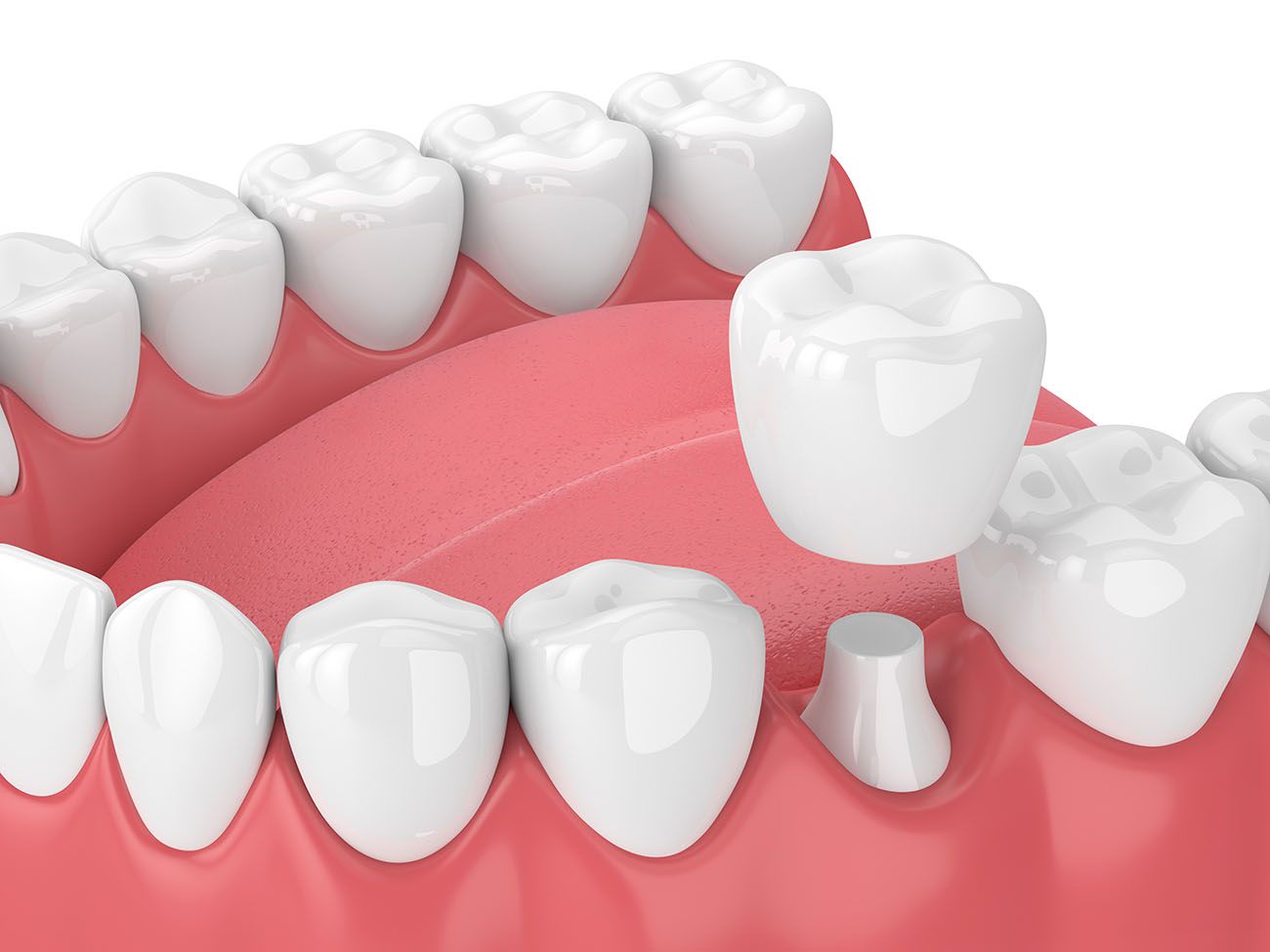
5. A Lost Filling or Damaged Dental Crown
Losing a filling or dental crown does not always require immediate treatment, but exposed tooth surfaces may become sensitive.
You might experience discomfort when drinking cold beverages or chewing.
Avoid biting hard foods on the affected side and arrange a dental appointment.
If the damage causes severe pain, significant sensitivity or sharp edges that injure your mouth, Emergency Dentistry Milton may be appropriate.
What Should You Do Before Visiting an Emergency Dentist?
Taking sensible first-aid steps can reduce discomfort while you arrange professional treatment.
If you need Emergency Dentistry Milton, consider these immediate actions:
- For toothache: Gently rinse your mouth with lukewarm water and avoid chewing on the painful side.
- For swelling: Apply a cold compress to the outside of your cheek for short intervals.
- For a broken tooth: Keep any recovered fragments in milk or sterile saline and bring them to your appointment.
- For bleeding: Apply firm pressure with clean gauze.
- For a knocked-out adult tooth: Seek dental treatment immediately and keep the tooth moist if it cannot be safely repositioned.
Avoid placing aspirin directly against your gums because it can irritate or damage the tissue.
These measures provide temporary assistance but cannot replace professional diagnosis or treatment.
Further guidance is available through Queensland Health’s emergency dental information.
When Is Emergency Dentistry Milton Better Than Waiting?
Some dental concerns develop gradually, while others need immediate assessment.
Mild tooth sensitivity without additional symptoms may be suitable for a routine appointment. However, worsening pain, persistent swelling or dental injuries should receive prompt attention.
Seeking Emergency Dentistry Milton becomes particularly relevant when discomfort interferes with your daily activities.
For example, a Milton resident who develops severe toothache during work should not ignore increasing pain simply because the tooth looks normal.
Similarly, a cracked tooth following a sporting accident may require assessment even when there is little initial discomfort.
Early examination can identify hidden damage and reduce the risk of further complications.
What Happens During an Emergency Dental Appointment?
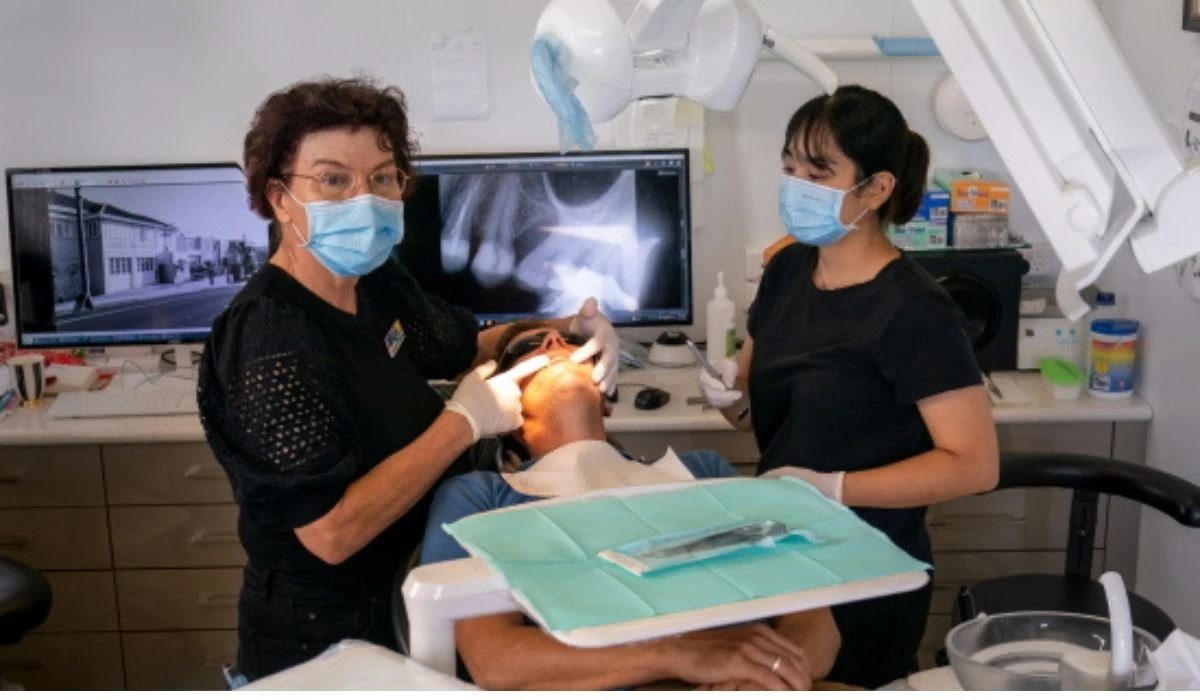
Your dentist will usually begin by discussing your symptoms, medical history and how the problem developed.
During an Emergency Dentistry Milton appointment, the dentist may examine your teeth and gums, assess swelling and recommend dental X-rays where necessary.
Treatment focuses on diagnosing the problem, relieving discomfort and addressing the underlying cause.
Depending on your condition, your dentist may recommend:
- Restoring a damaged tooth with a filling.
- Performing root canal treatment for an infected tooth.
- Treating a dental abscess.
- Repairing or replacing a damaged restoration.
- Extracting a tooth that cannot be saved.
Not every dental emergency requires extraction. Your dentist will explain the available treatment options based on the condition of your tooth.
How Can You Reduce Your Risk of Dental Emergencies?
Although accidents cannot always be prevented, everyday dental habits can reduce avoidable problems.
Brush twice daily with fluoride toothpaste, clean between your teeth and attend regular dental examinations.
Wearing a properly fitted mouthguard during contact sports also helps protect against dental injuries.
If you notice a loose filling, damaged crown or developing sensitivity, arranging treatment early may prevent further complications.
These simple habits can reduce the likelihood of needing Emergency Dentistry Milton for preventable dental problems.
When to Call a Professional
If you experience persistent toothache, a broken tooth, swelling or another urgent dental concern, contact a qualified dentist rather than waiting for symptoms to worsen.
Herman Advanced Dental provides dental care for patients from Milton and surrounding Brisbane suburbs, including emergency dental assessments at its Paddington clinic.
For patients seeking Emergency Dentistry Milton, the practice can assess symptoms and discuss suitable treatment options based on the dental examination.
Contact Herman Advanced Dental to discuss your symptoms and request the earliest available appointment.
For severe facial swelling affecting breathing or swallowing, uncontrolled heavy bleeding or serious facial trauma, call 000 or attend the nearest emergency department.
Conclusion
Understanding what qualifies as a dental emergency helps you make informed decisions when unexpected dental problems occur.
Severe toothache, dental infections, knocked-out teeth and persistent bleeding should never be ignored.
Accessing Emergency Dentistry Milton promptly may help relieve discomfort, protect damaged teeth and reduce the risk of complications.
If you are concerned about a dental problem, contact Herman Advanced Dental to arrange an assessment and receive advice about the next steps.
Frequently Asked Questions
Is severe toothache considered a dental emergency?
Yes. Severe, persistent or worsening toothache may indicate infection, deep decay or nerve damage. Arrange an urgent dental examination, especially when pain interferes with eating or sleeping.
Can a dental abscess go away without treatment?
No. A dental abscess requires professional assessment and treatment. Although symptoms may temporarily improve, the underlying infection can remain and potentially spread.
How quickly should I see a dentist after knocking out a tooth?
Immediately. Ideally, seek dental treatment within 30 minutes. Keep a knocked-out adult tooth moist, avoid touching its root and never reinsert a baby tooth.
Can I access Emergency Dentistry Milton for a broken tooth?
Yes. A broken tooth may require urgent assessment, particularly when accompanied by pain, sensitivity or exposed inner tooth structures. Treatment depends on the extent of the damage.
 18Nov
 18Nov
 03Nov