Ever found yourself nibbling a thick steak or chomping on a crunchy carrot and wincing because your false tooth just won’t cooperate? It’s frustrating, right? What if I told you there’s a solution that lets you eat, laugh and talk without a second thought? Dental implants are a game-changer, and they do way more than make your smile look good – they bring real function back to your mouth.
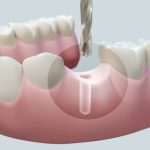
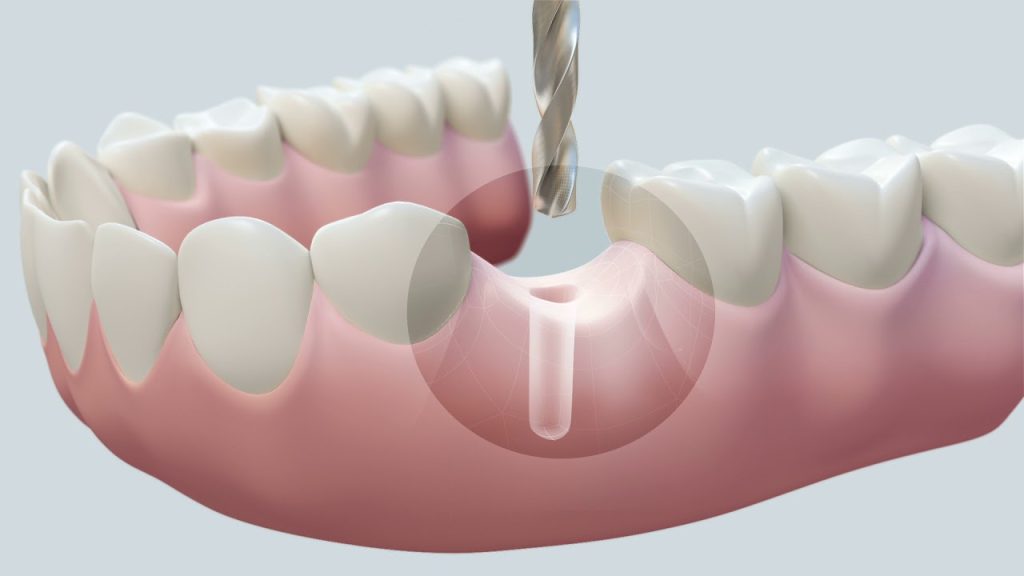
So, what exactly is a dental implant? In simplest terms, it’s a titanium screw that replaces a missing tooth root. A Brisbane dentist will anchor it in your jawbone. Over a few months, the bone grows around it (this clever fusion is called osseointegration). Once it’s locked in place, your dentist attaches a lifelike tooth (a crown) on top. The result? A replacement tooth that looks and acts like the real deal.
If this sounds like what you need, talk to a Dentist for Dental Implants Brisbane who can walk you through the details. These experts will evaluate your smile, take 3D scans or X-rays, and explain how an implant could fit into your mouth. The best bit? It’s all about restoring your natural mouth function, from chewing your meals to speaking clearly.
How Dental Implants Work
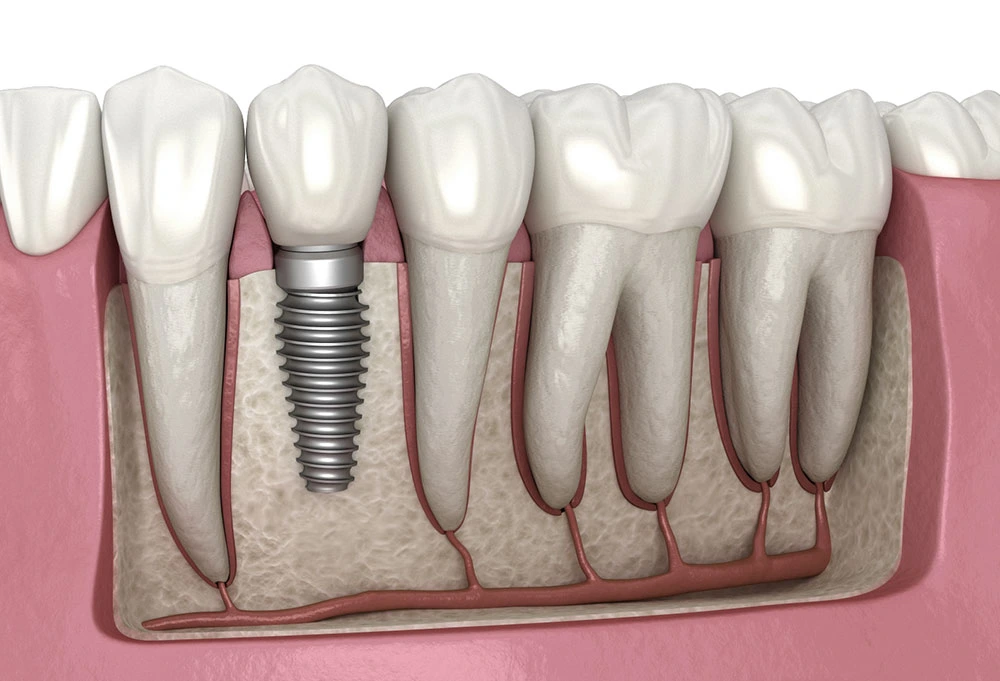
Here’s the cool science: the implant acts like an artificial tooth root. The titanium screw is biocompatible, so your jawbone cells actually grow onto it. Over a few months after surgery, the bone and implant fuse in a process called osseointegration.
Once it’s solid, the implant can take a crown, bridge, or denture on top without wiggling. Think of it like a screw anchoring something into wood – this time it’s your jawbone holding it tight.
Eat and Chew with Confidence
Unlike removable dentures, an implant is fixed in place – no messy glues or slipping worries. Implants feel natural: they can restore up to 95% of your original bite power (dentures often only give about 10%). That means you can crunch into apples or bite into a juicy burger with confidence.
Talk and laugh freely, too – implants don’t gag or slip around, so your speech stays crisp instead of the mumbling that can happen with old-school dentures. In short, implants let you eat what you love and speak with confidence.
Preserving Your Jaw (and Your Look)
Australia’s official Healthdirect site notes that implants let you eat normally, which in turn keeps your jawbone strong. Your jawbone needs activity to stay healthy – think of it like a muscle that needs exercise. Each bite through an implant gives it a workout. If a tooth is missing, that spot can start to lose bone (sort of like an unused muscle weakening).
An implant keeps it strong: each chew tells the bone, “Hey, stay firm!” Over time, this prevents bone loss and helps maintain the shape of your face. No one wants a prematurely “sunken” look from missing teeth. In short, implants give your jawbone a reason to stay fit and your smile to stay vibrant.
Quick Take: Dental implants offer huge perks:
– Almost-natural chewing: Restores up to ~95% of your bite power.
– Bone-friendly: Each bite stimulates and preserves your jawbone.
– Stable: No slipping, clicking or messy adhesives – they stay put.
– Durable: With proper care, they can last for decades.
Here’s a quick comparison of common tooth-replacement options:
| Replacement | Chewing Power | Jawbone Impact | Maintenance |
|---|---|---|---|
| Denture | ~10% of natural (slips easily) | Bone tends to resorb (shrink) over time | Remove nightly; adhesives needed |
| Bridge | Moderate (close to natural) | Doesn’t replace root stimulation (bone under gap can still shrink) | Fixed in place; floss carefully under the bridge |
| Implant | ~95% of natural (very stable) | Stimulates and preserves bone | Clean and floss just like a natural tooth |
Getting Your Implant: What to Expect
Getting an implant is more involved than popping in a denture, but it’s not super scary. First, your dentist does X-rays or 3D scans to check your jawbone. (If it’s a bit thin, a tiny bone graft can fix that.) Then a titanium post is gently screwed into the bone under local anaesthetic – you’ll mostly just feel pressure.
After a few months, once the bone has fused to the implant, a permanent crown is attached. In those weeks of healing you might stick to soft foods, but pretty soon you’ll be back to enjoying all your favourite meals.
Yes, implants cost more than dentures or bridges – Aussie wallets will feel it. Think of it as investing in your quality of life. Many people use private health extras or payment plans, and even some veterans with a Gold Card can claim a rebate. With a long-lasting, natural-feeling tooth, many say it’s worth every cent (plus you avoid the hassle of replacing dentures regularly).
At the end of the day, dental implants aren’t just about a camera-ready smile. They’re about getting your life back – eating, laughing, and chatting without a second thought. We’ve seen they give you nearly full chewing power, keep your jawbone strong, and let you stop worrying about slipping dentures. I’ve even seen a mate happily declare it was “the best thing since Vegemite on toast” once he realised he could finally bite into toast without fear!
So, why wait? If you’re done tiptoeing around meals or hiding your grin, ask your dentist about dental implants. Rediscover what it’s like to eat, laugh and smile with confidence – you won’t look back (or down at your plate) in disappointment.
Have questions? Drop a comment below or ask your dentist – your new smile is waiting!
Frequently Asked Questions
Q: Are dental implants painful?
A: Most people say implant surgery is easier than they expected. Thanks to anaesthesia, you usually feel little more than pressure during the procedure. Afterwards, you might have some soreness (like after a tooth extraction), but it’s manageable with simple painkillers. I always say, “It’s worth it – the discomfort is temporary and the results last for years.”
Q: How long do dental implants last?
A: With good oral hygiene, implants can last for decades – often 20–30 years or even a lifetime. The titanium post is permanent, and only the visible crown might need occasional replacement (kind of like a filling or a crown on a real tooth). Think of it like caring for a natural tooth: brush, floss, and see your dentist regularly, and your implant should stick with you as long as possible.
Q: Can anyone get dental implants?
A: Many people are candidates, but there are a few conditions. You need healthy gums and enough bone to hold the implant. Smoking or certain medical issues (like uncontrolled diabetes) can affect healing, so let your dentist know if these apply to you. Age isn’t usually a barrier – as long as your mouth is healthy, you have a good shot at success.
Q: How much do dental implants cost?
A: It’s true, dental implants can be more expensive upfront than dentures. Prices vary in Brisbane, but it’s often an investment. Many patients use private health cover with dental extras, or payment plans to manage the cost. Remember, you’re getting a solution that feels and functions like real teeth – so many consider it money well spent in the long run.
Q: When can I eat normally after getting an implant?
A: Your dentist will give you guidelines, but generally you stick to soft foods for a week or two after surgery. Within a month or two, most people are back to their normal diet. Once your crown is fully healed and in place, you can chew almost anything (just take it easy on super hard or sticky stuff at first).
Q: How do I care for my dental implant?
A: Care for an implant just like a natural tooth. Brush twice a day, floss, and see your dentist for check-ups. Since implants don’t decay, your focus is on keeping the surrounding gums healthy. An interdental brush can help clean the tiny spaces around the implant. In short: treat it like a real tooth, and it’ll stay healthy as long as possible.
Recent Posts