Picture, you’re at a weekend barbecue in Brisbane, happily munching on prawns, when crack! a shard chips your front tooth. Not exactly the confidence boost you wanted. That’s when many of us ask: “Could a porcelain crown save the day?” As a Brisbane dentist, I’ve seen it all from rogue jawbreakers to a stray frisbee and I know a flawless smile is the new must-have accessory.
Porcelain dental crowns are one of our shinier solutions for a broken or decayed tooth, but they come with both dazzling advantages and a shiny price tag. In this deep dive, I’ll guide you through what porcelain crowns are, their big wins, their drawbacks, and just how much Aussie patients pay (especially here in Brisbane) so you can decide if this dental royal upgrade is worth it for your grin.
What Are Porcelain Crowns?
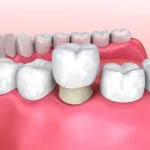
A porcelain crown is basically a tooth-shaped ceramic cap that your dentist cements over a damaged or weak tooth. Think of it as a custom-made hat for your tooth – strong, beautiful and designed to blend in seamlessly with the rest of your smile.
Dentists recommend crowns when a tooth is cracked, heavily filled, or even after a root canal, to protect it from further damage. Unlike a quick filling, a crown covers the entire visible part of the tooth, restoring both its strength and appearance.
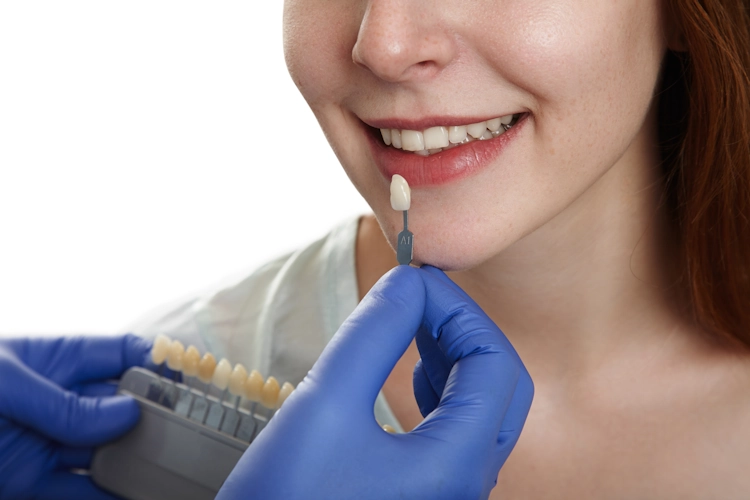
In practical terms, getting a porcelain crown usually means reshaping the original tooth, taking a digital scan or impression, and then either sending that off to a lab or milling the crown right in the office. Why porcelain? Because it’s a ceramic material that can be tinted to match your tooth color and has a translucent sheen much like natural enamel.
In fact, it mimics your real tooth’s look and feel better than any metal crown. That’s why porcelain (and other all-ceramic crowns like zirconia) are super popular when aesthetics are key – like fixing a front tooth.
By the way, nowadays many advanced clinics in Brisbane use CAD/CAM technology (like CEREC systems) to streamline this. For example, our practice designs, mills and fits Porcelain Crowns in Brisbane on the same day, meaning you could walk in with a busted tooth in the morning and leave by lunchtime with a shiny new crown in place. It’s pretty high-tech stuff (and saves you from living with a temporary cap for weeks).
Pros of Porcelain Crowns
Natural look: This is the biggest win. Porcelain crowns are almost indistinguishable from your real teeth. We custom-match the shade and translucency so your crowned tooth blends in with the row. In casual terms: nobody will know you had dental work, which is perfect if you’re selfie-conscious or a keen smiler.
Metal-free: No metal means no dark lines at the gum and no risk of metal allergies. Many patients prefer porcelain simply to avoid the “gold tooth” or silver look of older crown styles. All-ceramic crowns sit behind-the-scenes appearance-wise.
Biocompatible and gentle: High-quality porcelain (especially zirconia-based ceramics) is gentle on the opposing tooth. Unlike some metal or glass-ceramic crowns that can wear down the tooth opposite them, a well-polished porcelain crown is kinder to your natural enamel. Also, if you’re sensitive to metals, you won’t have to worry.
Durability: Modern porcelain crowns are tough. Depending on the type (e.g. zirconia crowns are essentially super-strong ceramic), they can withstand regular chewing quite well. With good care, a porcelain crown can last a decade or more – often 10–15 years in clinical studies. That’s a decent lifespan, making it a solid long-term fix. (More on longevity in FAQs below.)
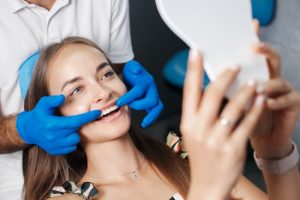
Instant smile upgrade: Beyond fixing damage, porcelain crowns can boost confidence. If you have a badly stained or oddly shaped tooth, crowning it can immediately improve your smile’s look. It’s like giving a tiny makeover to your tooth so it matches the others.
Cons of Porcelain Crowns
Risk of fractures or failure: As an Australian health information site points out, a crown can fall off, chip or cause discomfort if it’s not fitted just right. Porcelain is strong, but it’s still ceramic. Bite into something very hard (think seed hulls, nuts or ice) the wrong way and a porcelain crown can crack. If that happens, you’ll need a repair or new crown.
Tooth prep: To fit a crown, your dentist usually has to shave down some of your natural tooth. Porcelain crowns require a tiny bit more room than metal ones, so a little more enamel might be removed. That means once a tooth is crowned, it will always need some kind of covering (you can’t put it back to its original size).
Cost and complexity: Porcelain crowns are costlier than metal or resin crowns. The lab work and artistry involved adds up and in places like Brisbane, that can mean paying over a thousand dollars per tooth. (We’ll break down the numbers in a sec.) You’ll often need at least two visits, one to prepare your tooth and one to fit the crown – unless you opt for same-day CAD/CAM milling.
Sensitivity: After placing a crown, some people experience mild tooth sensitivity (to hot or cold) for a few days. It usually goes away, but if a crown is on the sensitive side or not perfectly sealed, you might feel some discomfort until the tooth settles. Good news: this isn’t usually painful and is temporary.
Replacement needed: No dental work is truly permanent. Even though 10+ years is a great run, porcelain crowns may need replacing eventually (say if the crown wears out or the underlying tooth has new decay). So in the very long run, you might go through a few crowns on the same tooth over a lifetime. It’s an investment with good ROI, but not a one-time fix forever.
Cost of Porcelain Crowns (Brisbane, Australia)
Let’s talk Aussie dollars. The price of a porcelain crown depends on many factors: which tooth it is (front vs back), how many visits, and the dentist’s skills or the lab’s quality. In Brisbane, you should budget roughly $1,400 to $2,500 per tooth for a quality porcelain crown. Here’s a quick breakdown to make sense of it:
Crown Type
Approximate Cost (AUD)
Key Pros
Key Cons
All-porcelain/ceramic (e.max, zirconia)
$1,600 – $2,500+
Superb natural look; no metal; very strong (zirconia)
Highest cost; porcelain can chip if extreme force
Porcelain-fused-to-metal (PFM)
$1,200 – $2,000
Strong (metal core); good aesthetics
May show dark line at gum over time; can wear opposing teeth
Metal alloy (gold, etc.)
$1,000 – $1,500
Extremely durable; thin prep
Obvious metal color; not aesthetic
Composite/resin
$700 – $1,200
Low cost; quick fixes possible
Much less durable; prone to wear and staining
Temporary acrylic
$300 – $500 (lab)
Very low cost; just a placeholder
Only short-term (months); not very strong
(These are general Australian averages. Your dentist may charge more or less. Always get a treatment plan quote.)
Most porcelain crowns fall into that first line: all-ceramic crowns. The high cost comes from premium materials and lab craftsmanship (often Australian labs or expert techs).
Thankfully, some private health insurance “extras” policies will rebate a chunk, maybe 20–40% back depending on your cover, but many people still have an out-of-pocket gap of several hundred dollars per crown.
Unlike a GP visit, Medicare rarely pays for a routine crown (only unusual hospitalised cases), so be prepared to cover it yourself, or via extras cover.
Are Porcelain Crowns Worth It?
With the pros and cons laid out, the big question: worth it? I’d say – it depends on your situation and priorities. Porcelain crowns are expensive and irreversible (once the tooth is shaved down, there’s no going back), but they can transform a troublesome tooth into a strong, beautiful one.
If a tooth is cracked, heavily filled or giving you pain, a crown can save it from extraction. And if you care about aesthetics (the dentist’s office is no place for a visible metal slug on a front tooth, right?), porcelain crowns really shine: they let you smile without a second thought.
The value also comes in longevity and function. A porcelain crown that lasts 10–15 years (sometimes longer) is often a better deal than alternative solutions like a bridge (which requires neighboring teeth) or an implant (costlier and more involved). And in Brisbane’s social scene, a confident grin does wonders.
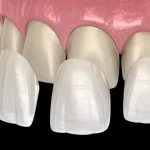
However, if your tooth could hold off longer or if the budget is tight, it’s fair to weigh options: could a veneer or a high-strength zirconia crown (similar cost but even stronger) suit you better? Consult with your dentist – we’ll check if your bite or habits make porcelain the right pick.
Ultimately, from my chair in the clinic I’ve seen cases where patients felt their money was well spent: no more pain, easier chewing, and a smile that looks natural. I’ve also seen people slightly regret the cost or need for a future replacement.
Conclusion
Get a clear quote, think about what matters to you (perfect look vs spending), and plan for aftercare. Brushing, flossing, and routine check-ups can make that crown last, so it’s not wasted. When done well, a porcelain crown is like giving a tooth a new lease on life.
Curious if a porcelain crown is your best move? Don’t wait for the next dental crisis. Chat with your local dentist about your options, we can assess your tooth and budget, show you examples, and even plan same-day digital crowns if that speeds things up. Your smile’s investment is worth a conversation. Schedule a check-up today and let your dentist crown your tooth with confidence!
FAQs
How long do porcelain crowns last?
With good care, expect about 10–15 years on average. Some patients see their crowns go even longer, while others might need a redo sooner (if you grind your teeth or don’t floss well, for example). Regular dental check-ups help catch any issues early so your crown can serve you for the long haul.
Are porcelain crowns painful?
The procedure itself isn’t very painful because we use local anesthetic. You’ll be numb while we prep the tooth. Afterward, you might feel a bit of sensitivity or soreness for a day or two, but it’s usually mild. Most patients are surprised at how little discomfort there really is – it’s a lot easier than, say, a tooth extraction.
What does a porcelain crown cost in Brisbane?
Prices vary by clinic, but typically $1,400 to $2,500 per tooth in Australia. Factors like the tooth’s location, complexity of work, and the dentist’s expertise affect the final figure. Always ask for a detailed quote. Remember, if you have private health ‘extras’ cover, you may get a rebate on part of the cost.
Does Medicare or insurance cover crowns?
In Australia, Medicare doesn’t usually cover standard crowns (it’s mostly for hospitals/emergencies). Private health insurance might rebate a percentage if you have suitable extras cover. Check your policy details. Some people also use dental payment plans to spread the cost.
How do porcelain crowns compare to zirconia crowns?
Zirconia is actually a type of ceramic used for all-ceramic crowns (it’s very strong). Both are metal-free and look natural, but zirconia is usually harder. For back teeth or bruxers, I might lean towards full zirconia for toughness. For front teeth, both porcelain and zirconia can be excellent choices with the right tinting and polishing.
Can I get a porcelain crown in one visit?
Yes, many modern dental clinics in Brisbane offer same-day crowns using CAD/CAM technology. We scan your tooth, mill the crown in the office, and fit it that day. It’s convenient, but it depends on your case. Even if you go the traditional two-visit route, it’s still a pretty straightforward process overall.