Ever had a moment when you catch yourself chewing on one side because of a gap? I know I did. A missing tooth isn’t just about that funny feeling when you try munching on a sausage at a barbie; it can turn into all sorts of trouble – a wonky bite, jaw pain, and even your other teeth starting to lean over like they’re photobombing your smile.
In this post, let’s have a yarn about the signs that tell you it might be time for a dental bridge. Whether you’re in Brisbane or anywhere in Oz, I’ll walk you through what to look out for, so you can keep grinning confidently (and chew your steak evenly!).
A big, confident smile doesn’t happen by accident. If a gap is keeping you from chewing or smiling easily, a dental bridge could be the fix for you.
When Missing Teeth Start Making Life Awkward
Picture this: you’re enjoying morning Vegemite on toast, and halfway through you notice your bite doesn’t feel quite right. Or maybe you’re chatting at the cricket and your words come out funny. These might seem small, but they’re warning signs your mouth is struggling with a gap. Some clues you might need a dental bridge include:
One or More Missing Teeth. This is the obvious one. If you’ve lost a tooth (or teeth) from an accident or decay, your smile will have a gap. A dental bridge is specifically designed to replace missing teeth, so this gap is a red flag that a bridge could help restore your bite and look.
Difficulty Chewing or Speaking Normally. Ever try chewing steak on one side only and felt your jaw crick? A missing tooth can shift all the pressure to the other side, making eating (and even talking) a struggle. You might find yourself avoiding certain foods or noticing words sound odd – that’s your mouth telling you something’s off-balance.
Teeth Shifting Into the Gap. If healthy teeth next to the space are starting to tilt, crowd, or move, take note! Teeth love company. When one goes missing, its neighbours lean into the empty space over time. This not only throws off your bite (causing jaw aches or TMJ issues) but can lead to future cavities if they become hard to clean. Filling that gap with a bridge keeps everything in line and protects your teeth.
Jaw or Gum Pain. An uneven bite often leads to jaw pain or headaches. You might wake up with a sore jaw or even teeth grinding at night as your mouth tries to compensate. Similarly, gums around a gap can become irritated or infected (especially if you use a partial denture that rubs on them), signalling that a more permanent solution like a bridge is needed.
Feeling Self-Conscious. Let’s be honest – a gap in your front teeth can knock your confidence. If you’re constantly covering your mouth when laughing or smiling, or avoiding photos, that mental load is a sign too. Cosmetic confidence matters, and a bridge can fill the gap invisibly, giving you back that bright, uninterrupted smile.
Healthy anchor teeth are key. For a bridge to work, you need solid teeth on each side of the gap. If a dentist checks and your adjacent teeth are strong, you’re a good candidate. In fact, Australian healthdirect points out that “you might need a dental bridge if you have one or more missing teeth” and if you’ve got healthy teeth to anchor it.
Why a Bridge Makes Sense (And How It Works)
So you spot a gap and the trouble it brings. Why not just get a denture or implant? Sometimes a fixed dental bridge is the perfect middle ground. It’s a non-removable solution that won’t come out at night like dentures, but it also avoids surgery (or multiple implants) in many cases.
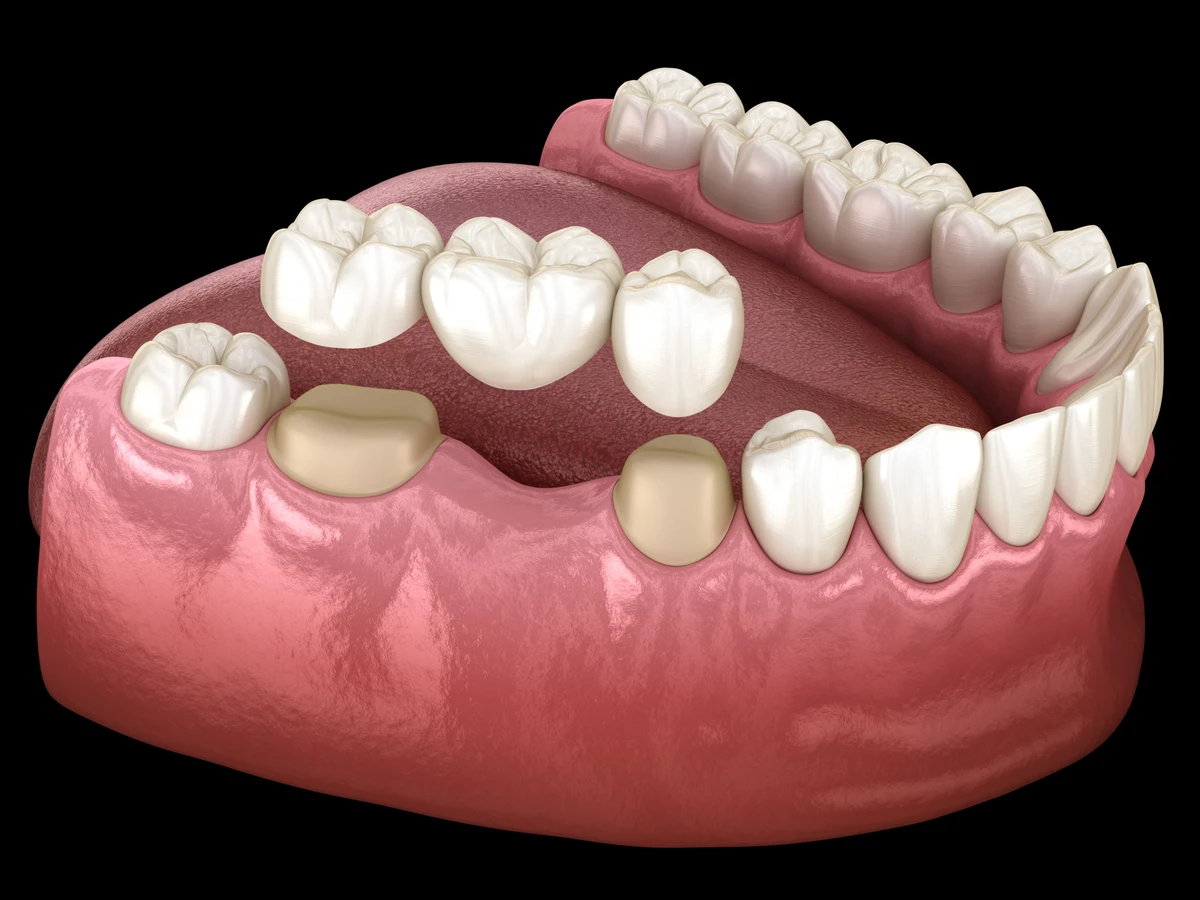
A dental bridge typically consists of porcelain crowns attached on each side of the gap, with a fake tooth (or teeth) in between. Think of it like a little chain of teeth: the middle piece fills the hole, and the end crowns clasp the healthy teeth next door. One of my mates, after losing a molar, told me he was amazed at how “solid” a bridge felt once in place. You brush it like normal teeth and (with a bit of extra flossing care) it can last for years.
If this sounds like it fits your situation, you might want to explore crowns and bridges treatment for more info on how it works. When I looked into it, I learned that the procedure usually just involves a couple of visits: the dentist files down the neighbouring teeth, takes an impression for a custom fit, and then cements the permanent bridge in place. It’s quick enough that you won’t be living with that snack-stuck grin for long!
How to Spot the Signs Early
It’s best not to wait until your gap becomes a bigger headache. Here’s a table to sum up common signs of a missing tooth and what action a bridge can provide:
Sign/Symptom
What It Means
Bridge Solution
Noticeable Tooth Gap
One or more teeth are missing.
A bridge replaces the gap with false tooth/teeth.
Chewing Issues/Pain
Bite imbalance from missing tooth, possibly jaw pain.
Bridge restores even bite, reducing strain and pain.
Teeth Moving or Crowding
Neighbouring teeth tilting or shifting into the gap.
Bridge stabilises teeth alignment.
Speech Changes
Difficulty pronouncing words (often with front tooth gaps).
Bridge fills space so speech returns to normal.
Inflamed or Bleeding Gums
Gum irritation around a gap (can be due to denture rubbing or infection).
Eliminates gap, easing gum issues under or around it.
Self-Conscious Smile
Feeling shy about your smile because of missing tooth.
Bridge improves aesthetics, boosting confidence.
This quick comparison helps us see that many problems of a lost tooth (wandering teeth, pain, gap visibility) find a fix in a bridge. Dentists often say “don’t let the gap grow into a bigger problem.” The longer you leave a space, the more your bite shifts and the jawbone beneath can start to shrink (since it’s no longer stimulated by chewing). A bridge essentially halts that domino effect.
Another comparison to consider: partial dentures (removable fake teeth) can work if your neighbours aren’t strong enough for a bridge or if you’re on a tight budget. But unlike a fixed bridge, dentures can slip and require nightly removal. Implants – titanium posts in the jaw – are fantastic for permanent replacement, but they need surgery and strong bone. If you want something stable and cost-effective without surgery, a bridge often hits the sweet spot.
What Your Brisbane Dentist Will Check
When you chat with your Brisbane dentist about these signs, they’ll examine a few things:
Teeth Health on Both Sides. As healthdirect notes, you need healthy “abutment” teeth to support the bridge. The dentist will check if those teeth are strong enough (no big cavities or fractures). If not, they may need crowns first.
Gum and Bone Condition. Good gum health is crucial. Untreated gum disease can loosen teeth, making bridges fail. If your gums are inflamed or receding, that might need attention first. Sometimes, X-rays will check the bone under the gap. If you’ve had bone loss (often from a tooth missing a long time), an implant might be recommended to maintain bone density.
Bite Alignment. They’ll look at your overall bite. A bridge will change how your teeth meet, so they’ll plan it to ensure you bite evenly. If your bite is already off (maybe from shifted teeth), orthodontics or bite adjustments might be suggested before the bridge.
Your Needs and Desires. Since bridges are partly cosmetic, your dentist will ask what you want – a discreet fix or something strong for heavy chewers. They’ll also discuss alternatives, such as dental implants or partial dentures, so you can make an informed decision.
In short, if your dentist sees that gap and nods about your signs (difficulty chewing, shifting, or self-conscious grin), a bridge is usually a great option. They’ll chat through it and maybe point you to Australian dental resources.
Healthdirect emphasizes that bridges “stop the other teeth leaning into the gap” and boost your confidence by filling the hole – in other words, they preserve your mouth’s health and your good looks at the same time.
How to Care for Your New Bridge
Let’s say you’ve decided on a bridge – cheers to that! Now, like any good mate, we should talk about caring for it so it lasts. A dental bridge can serve you well for a decade or more if looked after. Key tips:
Brush and Floss Regularly. Treat the bridge like real teeth: twice-a-day brushing and daily flossing. Bridges are connected crowns, so you can’t pass floss between them normally. Your dentist will show you how to use floss threaders or “superfloss” to clean under the false tooth. Good oral hygiene prevents decay of the supporting teeth.
Avoid Chewing Hard Objects. Bridges are sturdy, but don’t go using your new teeth like pliers for nuts or bones. Prying, biting nails, or chomping very hard stuff can chip that porcelain. In Australia, we do love a crunch, but be mindful of toffee, carrot sticks, or opening beer bottles with your teeth.
Regular Dental Check-ups. Keep those 6-month check-ups (or as recommended) on your calendar. Your dentist will check the cement seal and make sure everything is staying put. They’ll also professionally clean around the bridge – that cement can weaken over many years.
Watch for Any Changes. If you ever feel a bit wiggly, sore or notice your bite feels odd again, ring your dentist pronto. Early fixes are usually simple, and it’s better than letting a bridge fail or causing damage to neighbouring teeth.
A well-cared-for bridge not only helps you chew your meat pies like new, but also preserves your jaw structure and facial shape. Remember, every missing tooth is like a tiny piece of a puzzle – and a bridge puts it back.
When to Act: Don’t Put It Off
I’m as busy as the next person, and ignoring a missing tooth might seem easier than dealing with dentists (I get it). But here’s the thing: time isn’t your friend when it comes to gaps. The longer you wait, the more your bite shifts and the jawbone beneath can shrink (the medical term is “bone resorption”). Eventually, when you do get treatment, things get trickier.
So if you’ve been nodding along to these signs, why not swing by your local Brisbane dentist? They’ll talk you through options and, with a quick exam, let you know if a bridge makes sense. It really could save you time and cash in the long run. Plus, you’ll protect that confident smile you deserve.
If any of the above rang true for you, don’t delay! Book an appointment with a trusted dentist in Brisbane (or your area) and get their take. Filling that gap soon means you’ll chew, laugh, and chat without a second thought. A strong, healthy smile is within reach – go ahead and make it happen.
Frequently Asked Questions
Q: What exactly is a dental bridge? A: A dental bridge is a fixed (non-removable) appliance that replaces one or more missing teeth by anchoring false tooth/teeth between crowns on the adjacent healthy teeth. It restores chewing function and fills the gap in your smile. Unlike dentures, you won’t be taking it out – it’s cemented in place.
Q: How do I know if I need a bridge or an implant? A: Both replace missing teeth, but implants need surgery and a strong jawbone. You’d consider a bridge if you have two healthy teeth next to the gap – your dentist will grind them a bit to place crowns, with the fake tooth in between. If you’re healthy and bone isn’t enough for an implant, a bridge is a great choice. Your dentist will help decide which suits your mouth, budget and lifestyle best.
Q: Can I still get cavities with a dental bridge? A: Yes, the natural teeth under your bridge (the anchors) can still decay. That’s why brushing and flossing diligently is key. Special floss threaders or interdental brushes help clean under the bridge. If cavities develop, they need treating quickly, or the bridge could fail. But with good care, many Aussies enjoy bridges for 10+ years.
Q: What’s the cost of a dental bridge in Brisbane? A: Costs vary based on materials (porcelain, zirconia, etc.) and how many teeth are being replaced. It’s common for an individual porcelain crown (each anchor) to be around a couple thousand dollars, plus the false tooth itself. (Some dental plans or public schemes can help if you’re eligible.) The best move is to get an itemised quote from your dentist after an exam. Consider it an investment in keeping your bite (and confidence) intact for years to come!
Nearly invisible, removable aligners, 3D-scanned and planned in-house by our Paddington dentist. Book a free consult and we'll tell you if Spark suits your teeth and give you an exact quote.

 27Jul
27Jul
 24Jul
24Jul
 22Jul
22Jul