Imagine it’s a sunny Brisbane morning and you’re biting into that avocado toast you love. Suddenly, a sharp, annoying click in your jaw steals the moment. Ouch. Whether it’s a twinge around the ear or a full-on headache by lunch, jaw pain can derail even the best of days. You might shrug it off thinking, “Just stress,” or “I must be clenching too hard,” but jaw joints aren’t something to ignore for long.
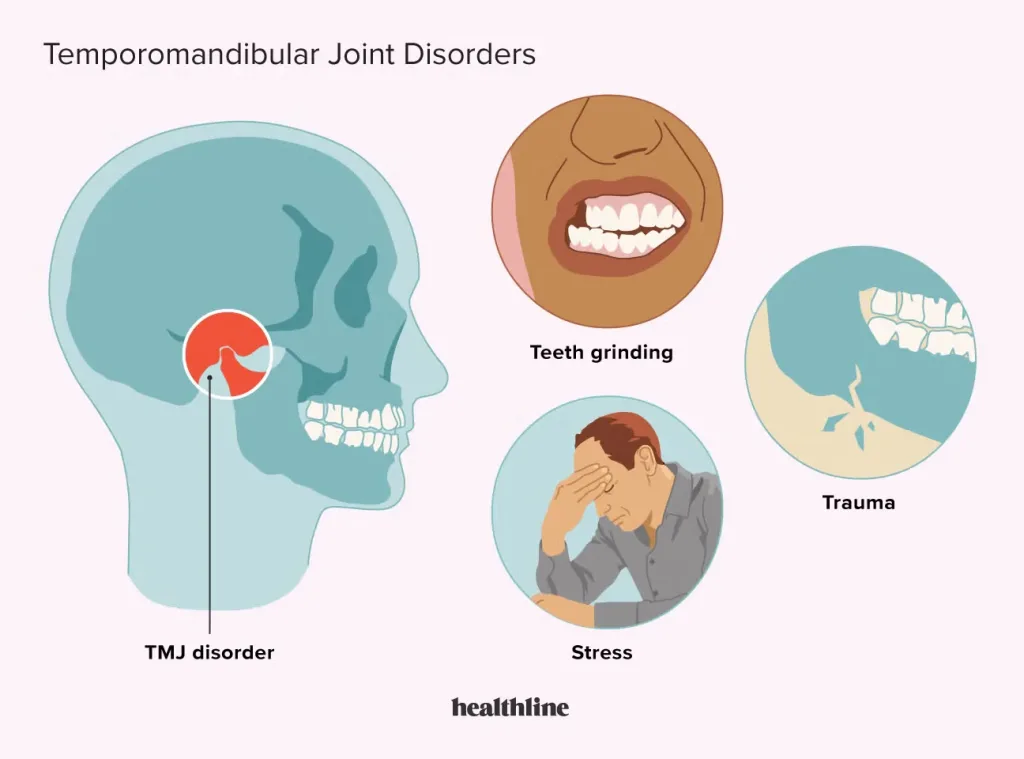
TMJ stands for temporomandibular joint, the hinge that connects your jaw to your skull (just in front of each ear). It lets you chew, talk, yawn and all the important stuff. The phrase “TMJ disorder” (often called TMD) covers any trouble with this joint or the muscles around it.
In plain English, it’s when your jaw isn’t moving smoothly – maybe it’s clicking, locking, or hurting. And trust me, it can hurt a lot more than just feeling “a bit cranky” when you wake up on a Monday.
Symptoms to watch for: Jaw issues can manifest in all sorts of ways. Common signs include:
– Jaw pain or soreness (especially when eating or talking) – Ear, head or temple aches (pain at the base of your skull, in front of the ear, or even around the eyes) – Clicking, popping or grinding sounds when you open or close your mouth – Locking or catching – your jaw might stick and make it hard to open/close fully – Uneven bite or jaw shifting – teeth no longer fit together right – Neck or shoulder tension accompanying the jaw discomfort.
These might seem unrelated at first. Maybe you think it’s just a sore ear or a headache from screen time. But when these symptoms come together, your jaw joint could be the culprit. I’ve known people who blamed migraines or “weird neck pain” – only to find out later it was the TMJ acting up.
Common Causes of Jaw Trouble
TMJ pain can sneak up for many reasons. Here are a few triggers to consider:
– Teeth grinding or clenching (bruxism): Often stress-induced, this is one of the sneakiest culprits. Clenching your jaw by day or grinding teeth at night can slam the joint repeatedly. – Injury: A fall, a punch or an accident on the rugby field – any impact to your jaw or head can jar the TMJ. – Arthritis: Like any joint, the TMJ can wear out or get inflamed. Osteoarthritis or rheumatoid arthritis can affect the jaw. – Dental issues: A new filling, crown, braces or even ill-fitting dentures can change your bite. That misalignment forces the jaw to compensate. – Stress: Our Aussie can-do attitude often means we carry stress in our jaws. Shoulders up by our ears, teeth clenched – chronic tension can overload that tiny joint. – Posture or muscle strain: Hunching over a laptop or holding your phone between shoulder and ear can strain neck muscles, which indirectly tugs on jaw muscles.
The jaw is like a finely tuned engine – it thrives on balance. Mess with any piece (bite, muscle, stress levels) and the whole thing can squeak. In fact, the Australian Government’s healthdirect site emphasises jaw rest and stress reduction as key steps to ease TMJ symptoms. Regular dentist check-ups also help catch issues early.
When to See an Expert
Jaw pain is common but persistent jaw pain isn’t. If you find yourself wincing at meals or massaging your face several days a week, it’s time to pay attention.
According to health guidelines, if symptoms linger for more than a few weeks or are severe, you should see a professional. Think of it like any other pain: your jaw deserves as much attention as a bad knee or back.
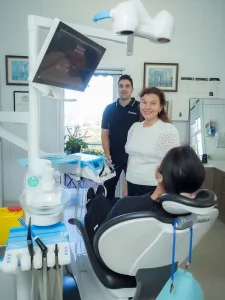
Serious red flags? Locking jaw (like being stuck saying “G’day” forever), severe swelling, or trouble opening wide. Don’t wait for it to get worse. An expert diagnosis of TMJ in Brisbane can pinpoint what’s wrong (often with a thorough exam or even scans) and get you sorted. Many local dentists and physios specialise in these joints, so help is nearby.
Diagnosis and Relief: First Aid for Your Jaw
The good news? TMJ issues often get better with simple care. The healthdirect advice is to rest that jaw and manage stress as much as you can. Here’s what to try first:
– Rest that joint: Go easy on chewy or crunchy foods for a while. Switch to softer meals (soups, smoothies, stews) and cut big bites into smaller pieces.
– Gentle jaw exercises: Slowly open and close your mouth, or move your jaw side-to-side to keep it moving. One trick: place your tongue on the roof of your mouth while yawning or opening wide – that can guide the jaw gently.
– Warm/cold compress: A warm flannel or heat pack against the side of your face can relax tight muscles, while a cold pack can ease swelling after talking or yawning a lot.
– Stay chill: Stress-busting activities (meditation, gentle yoga or even a walk along the river) can reduce subconscious jaw clenching. Try setting a reminder (like a sticky note on your screen) to check your jaw tension throughout the day.
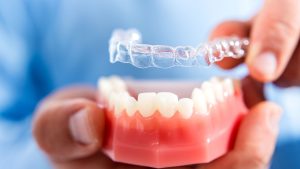
– Night guard: If you grind teeth asleep, consider a custom mouthguard from your dentist. Wearing one at night prevents grinding and gives those joints a break.
If home remedies aren’t enough, professionals can step in:
– Custom splints or bite guards: These clear devices fit over your teeth to keep things aligned and cushion the joint during the night.
– Medication: Over-the-counter anti-inflammatories (like ibuprofen) or prescribed muscle relaxants can tame pain and swelling.
– Physiotherapy or Massage: Targeted neck and jaw exercises, manual therapy or even acupuncture can ease tight muscles around the joint. Physiotherapists in Brisbane know these issues well – it’s part of their groove.
– Dental treatments: Sometimes adjusting your bite (via orthodontics, fillings or crowns) fixes the root problem.
– Surgery (rare): Only a tiny fraction of cases need surgical procedures like arthroscopy – think of it as a last resort after everything else.
Approach
Examples
Lifestyle Changes
Soft diet, stress reduction, warm compresses
Dental/Orthodontic Care
Night guards, bite adjustments, braces
Medical/Physio Treatment
Anti-inflammatories, jaw exercises, massage
Rare Interventions
Arthroscopic jaw surgery (if all else fails)
No matter what, remember that most TMJ pain improves over time with care. It might seem like a hassle now, but taking action early can save you weeks of discomfort.
Conclusion
Jaw pain might sound like a small issue, but it can really bite. We’ve covered what TMJ is, common causes, and loads of ways to find relief. Here’s the takeaway: Don’t tough it out. If your jaw aches or clicks, act early.
Try the self-care tips above, but keep a lookout for warning signs. And remember – you’re not alone in this; jaw struggles are surprisingly common, and help is just a consultation away.
If that nagging pain lingers, reach out for professional advice and reclaim your comfort. Whether it’s a chat with a local dentist or booking a scan, taking that step can make all the difference. Your jaw does a lot of heavy lifting (eating, chatting, laughing!), so give it the attention it deserves.
Talk to your dentist or GP. You might just find a quick fix that lets you enjoy your favourite foods pain-free. Don’t wait until that click becomes a clunk. Your smile and cheeks will thank you.
Ready to take action? Reach out to a local dentist or specialist today – your jaw will thank you.
Frequently Asked Questions
What exactly is TMJ (jaw joint) pain?
TMJ pain means discomfort in the temporomandibular joint (the hinge at your jaw). It often comes with clicking, headaches, or pain around your ear or temple. Think of it as a jammed hinge in your face.
What causes TMJ disorders?
Lots of things: stress (teeth clenching), injuries to the jaw or face, arthritis in the jaw, dental misalignments (like new fillings or dentures), or chronic teeth grinding. Often it’s a combo of factors.
How can I relieve TMJ pain at home?
Try soft foods, gentle jaw exercises, warm compresses, and stress-relief techniques (like relaxation or gentle yoga). Avoid chewy gum or big bites. Over-the-counter pain meds can help short-term.
When should I see a doctor or dentist about TMJ?
If jaw pain lasts more than a week or two, is severe, or if you notice jaw locking or loud clicking, get it checked out. Persistent discomfort deserves professional attention.
Are TMJ problems common, and how serious are they?
Yes, TMJ issues are quite common – about 1 in 6 people experience them at some point. They can impact eating, talking and even sleep (if you grind your teeth). With early care, most people improve without major issues.
Will TMJ go away on its own?
Sometimes minor jaw aches resolve with rest and simple care, but persistent TMJ issues usually need treatment (like exercises or a mouthguard). Very rarely is surgery needed.