Composite Filling vs Porcelain Veneers: Which Option Suits You?
A smile can change how you look, how you speak, and how you feel walking into a room. In Milton, where people often want a natural but polished look, cosmetic dental choices matter more than most people realise. You want something that looks good, feels comfortable, and suits your budget without turning your mouth into a full-time project.
That is where the debate starts: Composite Filling or porcelain veneers. Both can improve the look of teeth, but they solve slightly different problems. One works like a clever repair. The other works like a full style refresh. And yes, both can be excellent when the timing, tooth condition and your goals line up properly.
If you are trying to decide between the two, you can book a consultation with Milton Dentist and talk through which option fits your smile, your bite and your expectations before you commit to anything.
What each treatment actually does
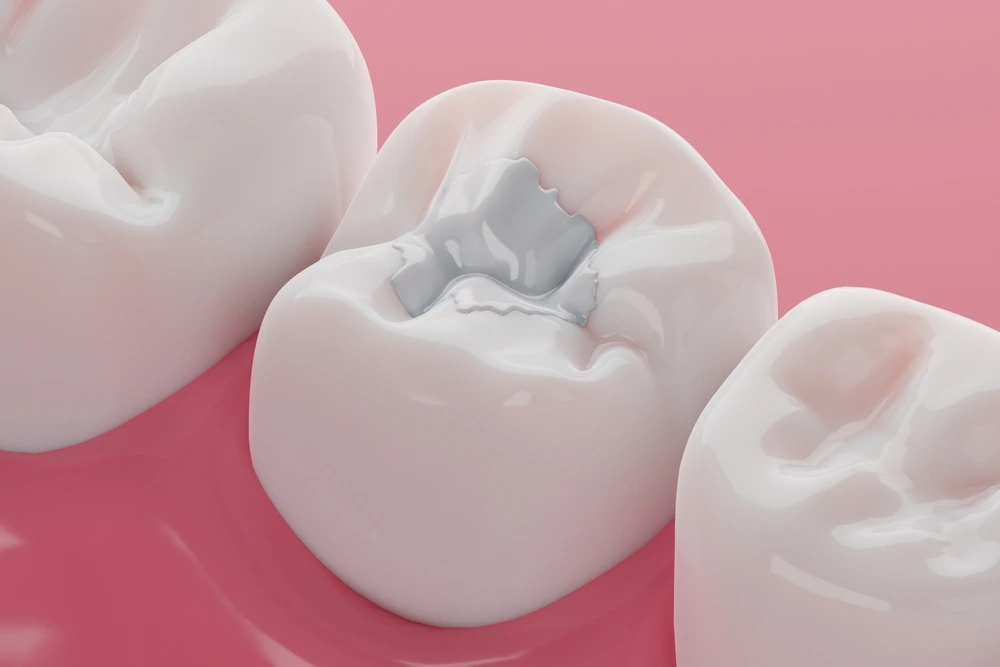
A Composite Filling uses tooth-coloured resin to repair or reshape part of a tooth. Dentists often use it for chips, small gaps, worn edges, minor decay repair or uneven shapes. It blends in well, and it usually needs less tooth preparation than more extensive cosmetic treatments.
Porcelain veneers work differently. A dentist places thin custom-made shells over the front of the teeth to improve colour, shape and symmetry. Veneers often suit people who want a bigger cosmetic change across several front teeth.
In simple terms, a Composite Filling acts like a careful edit, while porcelain veneers act like a polished redesign.
That difference matters. If your tooth only needs a small fix, a filling may suit you better. If you want a more dramatic smile makeover, veneers may be the better fit.
Composite Filling vs Porcelain Veneers: the real differences
People often compare these two treatments because both improve appearance. But when you look closer, they work differently in cost, durability, procedure and long-term care.
Factor
Composite Filling
Porcelain Veneers
Main use
Small repairs, reshaping, minor cosmetic fixes
Larger cosmetic improvements
Tooth removal
Usually minimal
Usually more preparation needed
Appearance
Natural and subtle
Highly polished and refined
Treatment time
Often quicker
Usually takes more planning
Cost
More affordable
Higher upfront cost
Durability
Good, but may stain or wear sooner
Stronger colour stability and longer lifespan
Repairability
Easy to repair
Usually needs replacement if damaged
Best for
Small chips, gaps, uneven edges
Stains, shape changes, smile makeovers
I like this comparison because it cuts through the marketing fluff. If you only need one tooth tidied up, a Composite Filling can be the smarter and simpler option. If you want a full front-tooth upgrade with a more uniform finish, veneers usually take the lead.
When a Composite Filling makes more sense
A Composite Filling often suits people who want a conservative treatment. It works well when the tooth still has good structure and only needs a small correction.
I would look at a composite option if you want to:
repair a chipped tooth
close a tiny gap
reshape a worn edge
improve a small front tooth flaw
cover a small area of discolouration
fix minor decay while improving appearance
Composite can be a great choice when you want a treatment that feels practical and low fuss. It usually suits people who do not want to remove much enamel and prefer a more affordable step.
It also helps if you like the idea of changing only what needs fixing. Some smiles need a complete transformation. Others just need a smart adjustment, like tailoring a suit instead of buying a whole new wardrobe.
When porcelain veneers make more sense
Porcelain veneers suit people who want a bigger cosmetic change, especially across the front teeth. They can improve colour, shape, length and symmetry at the same time.
Veneers often suit you if you want to:
cover deep stains that whitening cannot fix
smooth out uneven front teeth
create a more even smile line
improve multiple teeth at once
get a more long-lasting cosmetic finish
refresh a smile with noticeable but natural-looking results
If you want a more uniform and refined look, porcelain usually gives you that extra edge. It reflects light beautifully, and it resists staining better than composite. That makes it popular with people who care about long-term appearance and are willing to invest more upfront.
Still, veneers are not the automatic “better” option. They suit some people very well and others not at all. Your bite, enamel, habits and goals all matter.
Cost, care and longevity
Now for the part everyone quietly wants to know: what will this cost, and how long will it last?
A Composite Filling usually costs less upfront. It works well for smaller jobs, and your dentist can often complete it faster. That makes it appealing if you want a practical solution without a big cosmetic bill.
Porcelain veneers cost more because they involve custom design, lab work, and a more detailed process. You pay for that precision. You also pay for a material that tends to hold colour and shine better over time.
The Australian government-backed Healthdirect dental and oral health guide is a handy place to check general oral care advice and when to speak with a dental professional, especially if you are thinking about cosmetic treatment and want to protect the result properly.
Here is the practical lifespan picture:
Treatment
Typical Strengths
Typical Wear Considerations
Composite Filling
Affordable, quick, repairable
Can stain, chip or wear sooner
Porcelain Veneers
Strong cosmetic finish, stain resistant
Higher cost, may need replacement later
A Composite Filling may last several years if you look after it well, avoid bad habits and keep up with check-ups. Veneers often last longer overall, but they still need proper cleaning and sensible care.
Neither treatment likes hard objects. Teeth are not bottle openers, despite what your busy Monday brain might suggest.
How each option affects your natural teeth
This part matters more than people expect. Cosmetic dentistry should improve your smile without creating unnecessary problems later.
A Composite Filling usually preserves more natural tooth structure. That makes it appealing if the tooth only needs a small repair. Dentists can often place the material with limited preparation, which keeps things more conservative.
Porcelain veneers usually need some enamel removal so the veneer fits properly and looks natural. That is normal for the treatment, but it also means the process feels more committed. Once you go down that path, you need a proper plan and a dentist you trust.
If you prefer the least invasive route, composite often wins. If you want a more dramatic and refined cosmetic result, veneers may suit you better even though the treatment is more involved.
Which one looks more natural?
Both can look natural when a skilled dentist does the work properly. That said, the finish is a little different.
A Composite Filling can blend well with the tooth, especially for small repairs. It can look very natural when the shade, shape and polish match the surrounding teeth.
Porcelain veneers usually give a more uniform and luminous finish across several front teeth. If you want a consistent smile with a sleek and balanced look, veneers often deliver that result.
So the real question is not “Which looks natural?” It is “Which kind of natural are you after?”
Some people want a barely noticeable repair. Others want a more obvious upgrade that still looks subtle enough for real life. Both are valid.
Who should choose Composite Filling?
A Composite Filling usually suits you if:
you only need a small cosmetic fix
you want a more affordable treatment
you prefer less tooth preparation
you want something quicker
you only have one or two problem teeth
you want easy repair options later
This is the option I would think of as the practical choice. It solves a problem without making a big scene.
Who should choose porcelain veneers?
Porcelain veneers usually suit you if:
you want a full smile refresh
you have several front teeth you want to improve
you want stronger stain resistance
you want a longer-lasting cosmetic result
you are comfortable with a bigger upfront investment
you want a highly refined finish
Veneers often appeal to people who care about aesthetics and want a more premium finish. They suit the person who looks at a chipped, stained or uneven smile and says, “Let’s do this properly.”
Insert image of before-and-after front teeth improvement comparison here.
Questions to ask before deciding
Before you choose a Composite Filling or porcelain veneers, I would ask these questions:
What problem am I trying to solve?
How much of the tooth needs to change?
Do I want a small repair or a full makeover?
How important is long-term stain resistance?
How much tooth structure can I keep?
What does my bite look like?
What maintenance will I need later?
What suits my budget now and long term?
These questions help you avoid making a cosmetic choice just because it sounds good in theory. Your teeth need a treatment that fits your life, not just your mood on the day.
How to care for either option
No matter which treatment you choose, good care matters.
For both Composite Filling and veneers:
brush twice daily with a soft brush
floss every day
avoid biting ice or hard lollies
keep up with check-ups
manage grinding if you clench at night
ask your dentist about a night guard if needed
If you grind your teeth, mention it early. That habit can shorten the life of both treatments. Teeth do a lot already. They do not need extra pressure from a midnight jaw workout.
Conclusion
The right choice between Composite Filling and porcelain veneers depends on your teeth, your goals and how much change you actually want.
If you need a small repair, a Composite Filling often makes sense because it is conservative, fast and more affordable. If you want a bigger smile makeover with a more refined finish, porcelain veneers may suit you better.
I would think about it this way: choose composite when you want a clever fix, and choose veneers when you want a polished transformation. Either way, the best result comes from a proper consultation and a treatment plan that respects your teeth, your bite and your budget.
If you are deciding between Composite Filling and porcelain veneers in Milton, book a dental consultation and get advice tailored to your smile before you choose your next step.
Frequently Asked Questions
1. Is Composite Filling better than porcelain veneers?
Neither treatment is always better. Composite Filling suits small repairs and budget-conscious treatment, while veneers suit bigger cosmetic changes and longer-lasting front-tooth improvements.
2. How long does a Composite Filling last?
A Composite Filling can last for years with good care, but it usually wears and stains sooner than porcelain. Your habits, bite pressure and oral hygiene affect the lifespan.
3. Do porcelain veneers damage teeth?
Veneers usually need some enamel removal, so they do involve more tooth preparation than composite. That is why you should choose veneers only after a proper dental assessment.
4. Can I replace a Composite Filling with veneers later?
Yes, many people start with a Composite Filling and later choose veneers if they want a more dramatic cosmetic upgrade. Your dentist can help you plan that path safely.

 27Jul
27Jul
 24Jul
24Jul
 22Jul
22Jul