Imagine enjoying a cool morning coffee or tangy orange juice on a sunny Brisbane verandah—sounds great, right? But what if I told you those delicious drinks can be little acid ninjas, stealthily wearing away the shiny enamel on your teeth? Yup, enamel erosion is a sneaky culprit that can creep up on you.
In this article, I’ll walk you through the nitty-gritty of what enamel erosion is, how to spot it, and simple tricks to keep your pearly whites strong. By the end, you’ll be armed with Aussie savvy and expert advice (and I’ll even share a cheeky tip or two from my own dentist chair experience).
To kick things off, think of tooth enamel as a knight’s armor for your teeth. It’s the hardest substance in your body – even tougher than bone – designed to shield your inner tooth layers from harm. But, unlike true steel, enamel isn’t invincible.
Over time, repeated exposure to acids (from foods, drinks or even your tummy) can soften and wear it away. Once enamel thins or erodes, it can’t regenerate on its own. That’s why it pays to catch the warning signs early and make a move to protect your smile.
What Is Enamel Erosion (Dental Erosion)?
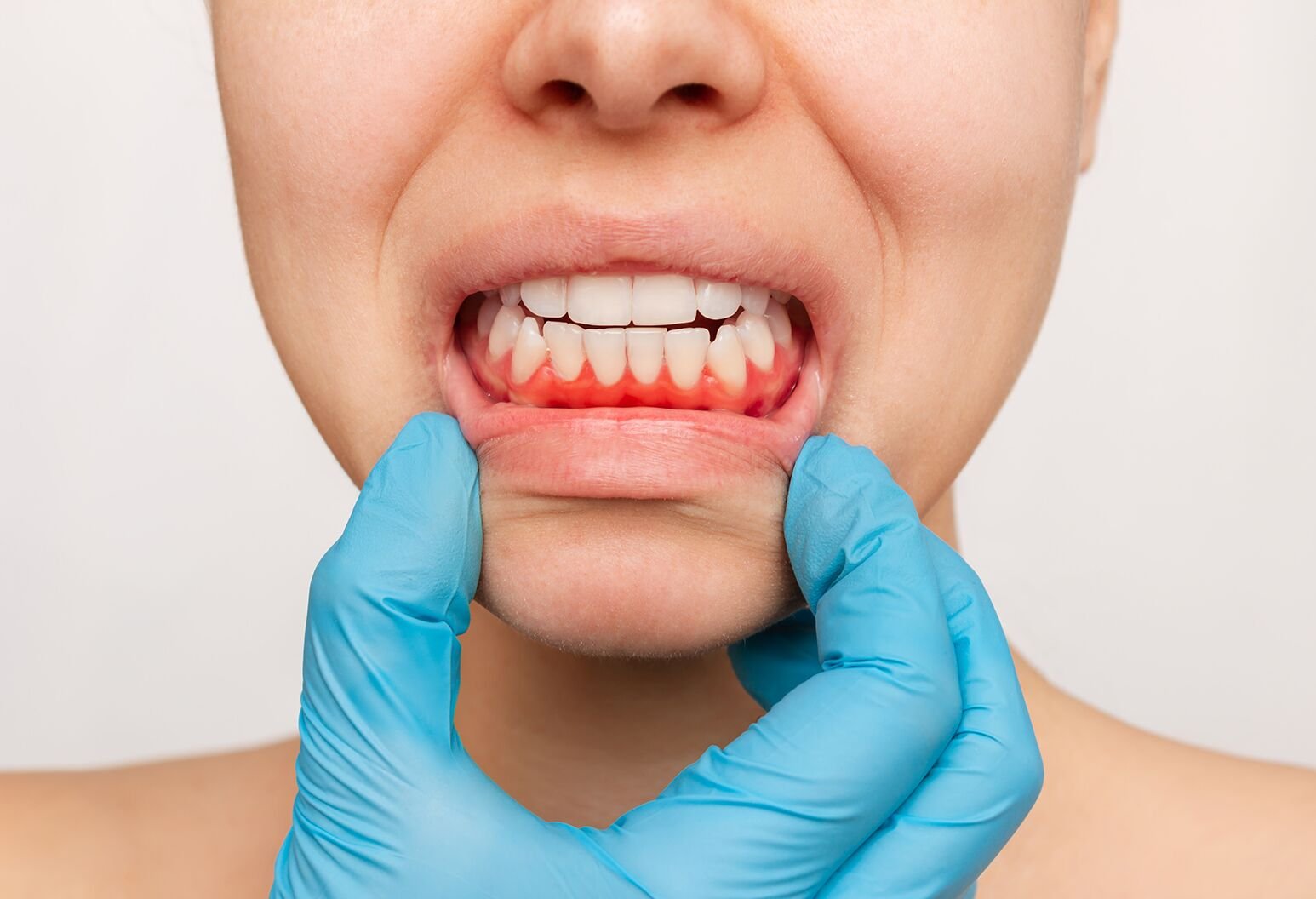
Enamel erosion happens when the enamel surface of your teeth gradually dissolves due to acids from outside or inside the mouth. It’s often called “dental erosion” or “acid wear.” Unlike cavities (which involve bacteria), enamel erosion is purely acid-driven.
For example, sipping on lemonade all afternoon or experiencing frequent heartburn can bath your teeth in acid. Over time, this acid can leave teeth feeling a bit softer or looking worn down.
Imagine leaving an ice cube on your wooden deck: as it melts, the wood shows watermarks and a worn appearance. Similarly, acid can leave telltale marks on your enamel. As someone who chats daily with dentists and patients, I’ve seen how subtle this process can be – often sneaking up before you even notice it. By understanding enamel erosion, we can start spotting trouble early.
Even if you brush regularly and eat healthy, erosion can happen quietly. It’s easy to mix it up with “cavity talk,” but remember – erosion is damage from acid, whereas cavities involve acid plus bacteria. Think of cavities as a crime scene with bacteria, and erosion as the weather slowly weathering a statue.
Both harm your teeth, but they start in different ways. In fact, dental research suggests a surprising number of people (between one-third to two-thirds) show some enamel wear, making it a surprisingly common issue.
Signs of Enamel Erosion
How can you tell if this silent saboteur is attacking your teeth? There are some clues your mouth will give you. Here are the red flags (and yes, I’ve seen these in my own practice):
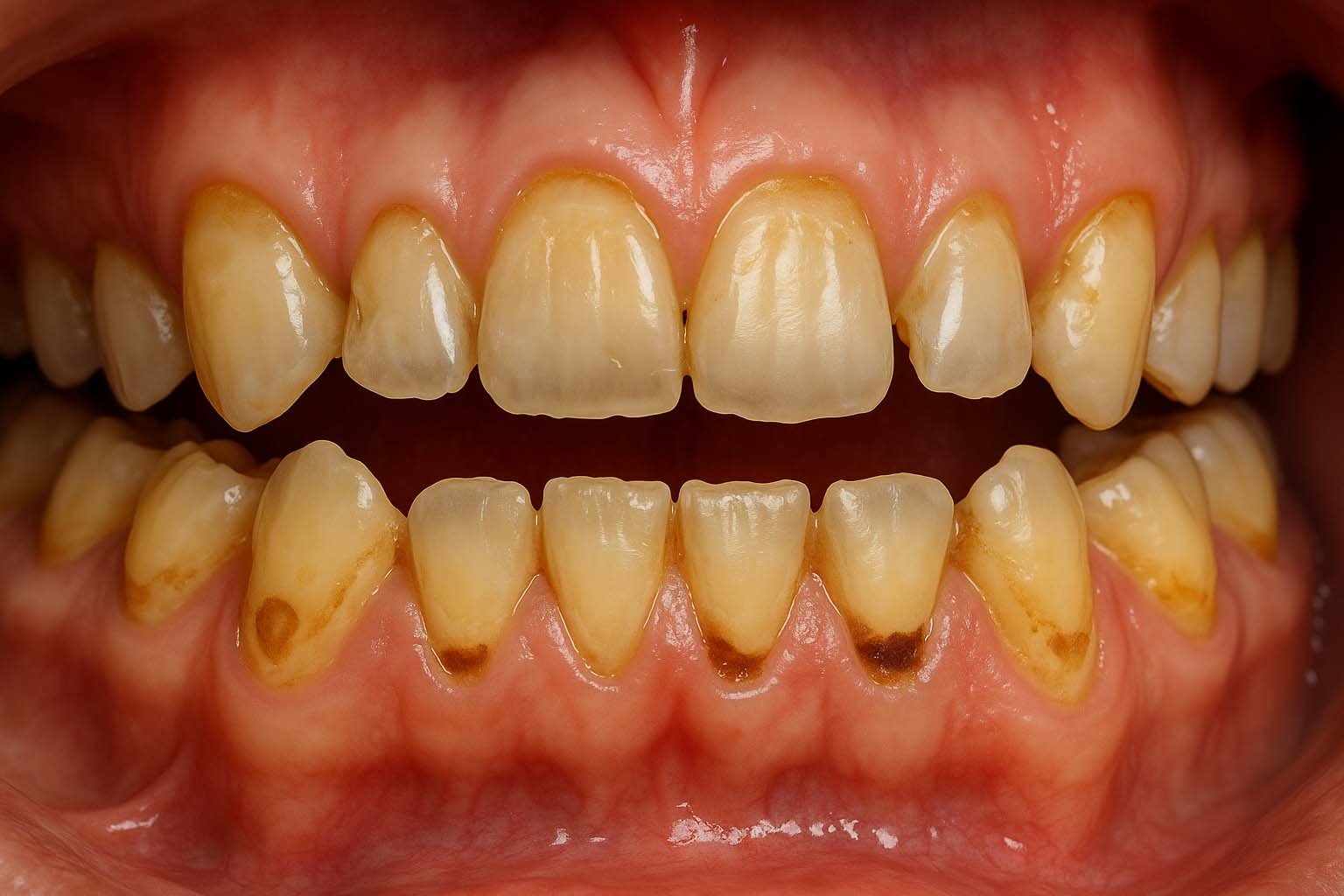
- Yellowish or Translucent Teeth: As enamel wears away, the dentine underneath (which is yellower) begins to show through. This can make teeth look off-white or even glazed. A mate once said his teeth looked “morning-sunny yellow,” which can actually be a sign of thinning enamel.
- Smooth, Shiny Appearance: Contrary to cavities which are usually rough holes, erosion can leave your tooth surfaces looking unusually smooth or glossy. Picture a well-worn, shiny pebble on the beach. In enamel erosion, biting surfaces or edges of teeth can start to look glassy or concave.
- Shortened or Rounded Teeth: Over months or years, enamel wear can literally make teeth shorter or more rounded at the tips. You might notice your smile line changes or tiny notches appearing near the edges.
- Sharp or Chipped Edges: With less enamel guarding them, teeth can chip more easily. Those tiny uneven points you feel with your tongue? It’s worth checking.
- Increased Sensitivity: One of the first things people notice is that teeth become sensitive to hot, cold or sweet stuff. Suddenly that frosty mango sorbet feels like a jolt! That’s because the protective layer is gone in spots, exposing nerves.
- Higher Fillings: If you have fillings, you might feel them as raised “bumps” because the surrounding enamel has worn down. It’s like if you had a pothole next to your driveway; the driveway appears higher even though it’s the pothole that’s sunken.
- Wider Gaps Between Teeth: Erosion can make gaps or spaces more noticeable as tooth shape changes. You might find food getting stuck in new places.
Most of these signs show up gradually, so you or a partner might spot them before you do. It’s a bit like having a mirror for your mouth: regular selfies or mirror check-ins (and listening to your teeth!) helps.
What Causes Enamel Erosion?
Aussie life is full of yummy stuff that can contribute to enamel erosion. Here’s what often puts the acid in the match:
- Acidic Foods and Drinks: This one’s a biggie. Foods and beverages with low pH (meaning they’re acidic) are primary culprits. Think citrus fruits (lemons, limes, oranges), carbonated drinks, fruit juices, vinegary sauces, sauerkraut, and trendy drinks like kombucha or sports drinks. Even sugar-free fizzy drinks count, as they still contain acid. Brisbane’s love for fresh juice or iced coffee with lemon syrup can wear on enamel if you’re not careful. (Pro tip: If you indulge, rinse with water afterwards or use a straw to bypass your teeth.)
- Frequent Snacking: Grazing throughout the day means more constant acid exposure. If you’re popping lollies, mints, or sipping the day away with energy drinks, your teeth never get a break. Aim to limit munching and give your saliva a fighting chance to neutralize acids between meals.
- Acid Reflux and Vomiting: Stomach acid is super strong. Conditions like GERD (heartburn), bulimia, or morning sickness can bring gastric acid into your mouth, directly bathing teeth. I’ve heard patients joke “I brush after breakfast and I still have heartburn – how’s that possible?” I always remind them, if acid from the stomach is coming up, it’s contacting enamel too. Over time, this will erode even the toughest enamel.
- Dry Mouth: Saliva is your enamel’s best mate – it buffers acid and washes debris away. Certain medications, dehydration, or simply breathing through your mouth can leave you dry. Less saliva means acids linger longer. If you tend to sip water often and chew gum, you’re on the right track.
- Medical Conditions/Medications: Some meds and conditions reduce saliva or directly affect enamel. For example, certain asthma inhalers or antihistamines can dry out the mouth. Aspirin and vitamin C tablets (chewables) can also be acidic. If you take medication daily, mention it to your dentist.
- Bruxism (Grinding): Clenching or grinding your teeth (especially at night) can physically wear down enamel. Imagine rubbing sandpaper on wood – over months, that pressure and friction will thin enamel. Stress and anxiety can trigger bruxism, so if you wake up with sore jaws, chat to your dentist.
- Age: As we get older, enamel naturally thins a bit from years of wear. It’s normal, but means we must be extra kind to our teeth as we age. Your forties and beyond might see more sensitivity unless you protect enamel vigilantly.
- Dietary Deficiencies: Lacking calcium, phosphate or vitamin D in your diet can weaken enamel over time (enamel is mineral-based). While less immediate than acid, a poor diet makes repair harder. Enjoy your leafy greens, dairy (yep, that slice of Aussie cheddar!), and leafy greens to help out.
- Dental Misalignment: Sometimes crooked teeth wear unevenly. If one tooth takes more bite pressure, its enamel can wear faster. Orthodontic issues can indirectly contribute.
Basically, anywhere frequent acid contact or mechanical wear happens, enamel goes on defense and eventually can lose ground. Even brushing too hard right after an acidic snack can brush away softened enamel – always wait 30 minutes after eating/drinking acid to brush.
How to Protect Your Enamel
Now for the good news: enamel erosion is largely preventable. With a few smart changes, you can armour-plate those pearly whites. Here’s the strategy I swear by (and share with all my patients in Brisbane):
- Balance Your Diet: Like Queensland Health advises on its oral health page, eat a well-balanced diet and cut down on acidic and sugary foods/drinks. Instead of reaching for soda, opt for water (preferably fluoridated tap water; Brisbane’s supply is fluoridated and that’s great news for your enamel). Choose snacks like cheese, nuts, crunchy veggies or sugarless gum which help neutralize acid. Casein in milk and cheese actually forms a barrier on teeth – so don’t skip that avocado toast with a bit of cheese on top!
- Use a Straw: When you do enjoy an acid-y drink (think iced tea, cola, or even lime cordial), use a straw positioned toward the back of your mouth. This limits contact with front teeth. (No need to look silly – health geeks in high-vis vests drink through straws too!)
- Rinse and Wait: After drinking or eating acidic items, rinse your mouth with water or even plain milk to wash away acid. Then wait at least 30 minutes before brushing. In that time, saliva has a chance to neutralize acids and reharden enamel. Brushing too soon can scrub off softened enamel.
- Chew Sugar-Free Gum: Chewing stimulates saliva. A minty sugar-free gum after meals can be a clever defence – it flushes out acids and keeps teeth feeling fresh. I literally keep a pack in my bag and recommend patients do the same for that mid-morning or afternoon gum fix.
- Gentle Oral Hygiene: Brush gently with a soft-bristled toothbrush and fluoride toothpaste. Over-enthusiastic scrubbing can thin enamel at the gum line. I often tell people: “Think of brushing like petting a cat – gentle and thorough.” Don’t hold the brush in one spot either; use light circles over each tooth, 2 minutes twice a day. Once your enamel is softened by acid, brushing too hard can literally brush it away.
- Regular Dental Check-ups: Don’t skimp on dentist visits. Twice-yearly dental check-ups and cleans can catch erosion early. Your dentist (or hygienist) can spot the subtle wear I mentioned and give your teeth a professional polish without aggression. We can also apply treatments like fluoride varnish or remineralizing gels that help rebuild enamel minerals. If it’s due, book that dental check-up and clean – trust me, prevention is easier than fixing a problem later.
- Manage Acid Reflux: If heartburn or reflux is an issue, talk to your GP. Medications that reduce stomach acid can indirectly protect your teeth. Also, try not to lie flat right after eating. Even natural aids like chewing on sugar-free antacid candies (choose ones without sugar) can help neutralize any rogue acid in your mouth.
- Watch the Gulping Habits: Don’t swish or hold soda or acidic drinks in your mouth – take sips and swallow. The longer acid pools around your teeth, the worse for enamel.
- Stay Hydrated: Saliva is your personal alkaline hero. Drinking plain water throughout the day (not just during workouts) keeps saliva flowing and acidity down. If your mouth often feels parched (Brisbane’s air can be dry in winter!), keep a water bottle handy and refill frequently.
- Add Fluoride: Use fluoride toothpaste and consider a fluoride mouth rinse if your dentist recommends it. Fluoride helps to remineralize enamel and makes it more acid-resistant. Many Aussie tap waters (like in Brisbane) already have fluoride, which is a huge bonus.
- Limit Citrus Wrap-ups: Love lemon water or ginger shots? Try diluting them well or drinking quickly rather than sipping all day. Maybe save the ginger kick for snack time rather than first thing.
- Lifestyle Factors: Quit smoking if you do, and limit alcohol. Tobacco dries your mouth and alcohol (particularly wine) is acidic too. Even red wine can erode enamel with frequent sipping. Chewing ice isn’t good either – those hard cubes can nick enamel surfaces.
At first glance this list might seem like a chore, but think of it this way: A few small swaps now mean major savings and comfort later. For example, swapping one soda a day for water can be a game-changer over months. I’ve even made a game of it with friends: water chug competitions (bragging rights only, and maybe a lifeguard on standby).
When to See Your Dentist
Even with all these tips, sometimes professional help is needed. I always tell my patients: “If your teeth could talk, they’d say see a dentist!” Here’s why a dental visit matters for enamel erosion:
- Early Detection: Your dentist can spot erosion that you might miss. Often it’s not visible to you until it’s more advanced. A dental exam might reveal smooth spots or thinning before they hurt. If we catch it early, a simple fluoride treatment or sealant can put the brakes on further wear.
- Fluoride Treatments: We offer high-concentration fluoride varnishes and gels that can remineralise enamel. These act like a nutritional drink for teeth, bolstering enamel to resist acids. In fact, dentists can customize trays with remineralizing pastes for home use if needed.
- Sealants and Bonding: For particularly vulnerable teeth (like deep grooves on molars), we can apply sealants to provide an extra protective layer. If erosion has already caused minor damage, dental bonding or veneers can shield those spots. (Not everyday fixes for a young, healthy person, but options if enamel loss is advanced.)
- Mouthguards for Grinding: If grinding is part of the problem, a custom-fitted night guard can prevent further attrition. They’re like little enamel shields for your sleep sessions.
- Medical Referrals: Sometimes we spot erosion cues that hint at health issues (like GERD or eating disorders). A dentist will gently guide you to get help if needed. We’re partners in your health, after all. If I see a young person with severe wear, I ask about reflux or diet, not to pry, but to make sure we get to the root cause.
So, if you notice any of the symptoms above – or even if you’re just curious – booking a professional dental exam can give you peace of mind. And yes, I know most folks procrastinate on dentist appointments (guilty as charged in my hectic life too), but think of it as a mini investment in your grin’s future.
If it’s been more than six months since your last check-up, why not make that appointment today? Talk about beating enamel erosion to the punch! Your Brisbane dentist (like me) will cheer you on.
Keeping your teeth strong means you keep smiling with confidence. And a confident smile opens doors – whether it’s landing that job, impressing a date, or just feeling great in the mirror.
Conclusion
At the end of the day, protecting your enamel is about balance. You shouldn’t have to live without your favourite foods or drinks, but enjoying them wisely is key. By listening to your teeth, adopting some simple habits, and keeping up with regular dental care, you can outsmart enamel erosion. Remember, teeth don’t heal themselves once enamel is gone, so let’s play defense together.
I’ve shared a lot of tips – almost like giving you a toolkit for life. Now it’s up to you to put them into action. Brush a little softer, sip through a straw, smile a little brighter knowing you’ve done the groundwork. If you ever feel unsure, have a quick chat with a local dentist (or even drop me a line) – we love to talk teeth in Brisbane!
Stay chill, stay hydrated, and keep those enamel shields shiny. Before you go, ask yourself: How will you protect your smile today?
Frequently Asked Questions
1. What are the early signs of enamel erosion?
Early clues include slight tooth sensitivity (especially to cold or sweet), subtle yellowing of teeth, and unusually smooth or shiny spots on biting surfaces. You might notice tiny chips or that fillings feel higher. If in doubt, a dentist can confirm if erosion is present.
2. How is enamel erosion different from tooth decay (cavities)?
Enamel erosion is caused by direct acid contact (from foods/drinks or reflux), whereas cavities (tooth decay) involve acid produced by bacteria in plaque. In erosion, acid literally dissolves enamel; in decay, bacteria feed on sugars and produce acid as a by-product. Both weaken teeth, but their origins differ.
3. Can enamel erosion be reversed or fixed?
Enamel itself can’t grow back once lost. However, early erosion can often be stopped and even remineralised. Treatments like fluoride gels, enamel-strengthening toothpastes, and dietary changes can restore minerals to softened enamel. Dentists can apply protective sealants or bonding for more severe wear. Think of it like patching up thin spots before they become holes.
4. Which drinks or foods are most harmful to enamel?
Any food or drink with high acidity poses a risk. Common culprits are citrus fruits (lemons, oranges), sodas and fizzy drinks, fruit juices (orange, apple, grape), wine, vinegar-based foods (like pickles), and even some sports/energy drinks. Sugary foods alone can cause cavities, and when combined with acid (like a fizzy Coke), they’re even worse. Tasty yes, but best enjoyed in moderation and followed by water.

 27Jul
27Jul
 24Jul
24Jul
 22Jul
22Jul