Burning Tongue Syndrome: Dental Causes You Shouldn’t Ignore
Ever woken up feeling like you actually devoured a barbie before bedtime, even though it was just a toasted sandwich? That’s your tongue on fire...

Have you ever sat in the dentist’s chair, imagining you’re just a casual patient who snapped a crown, only to have your dentist drop the term “crown lengthening” into the conversation? I’ve been there (and heard that puzzled “Huh?” from patients many times).
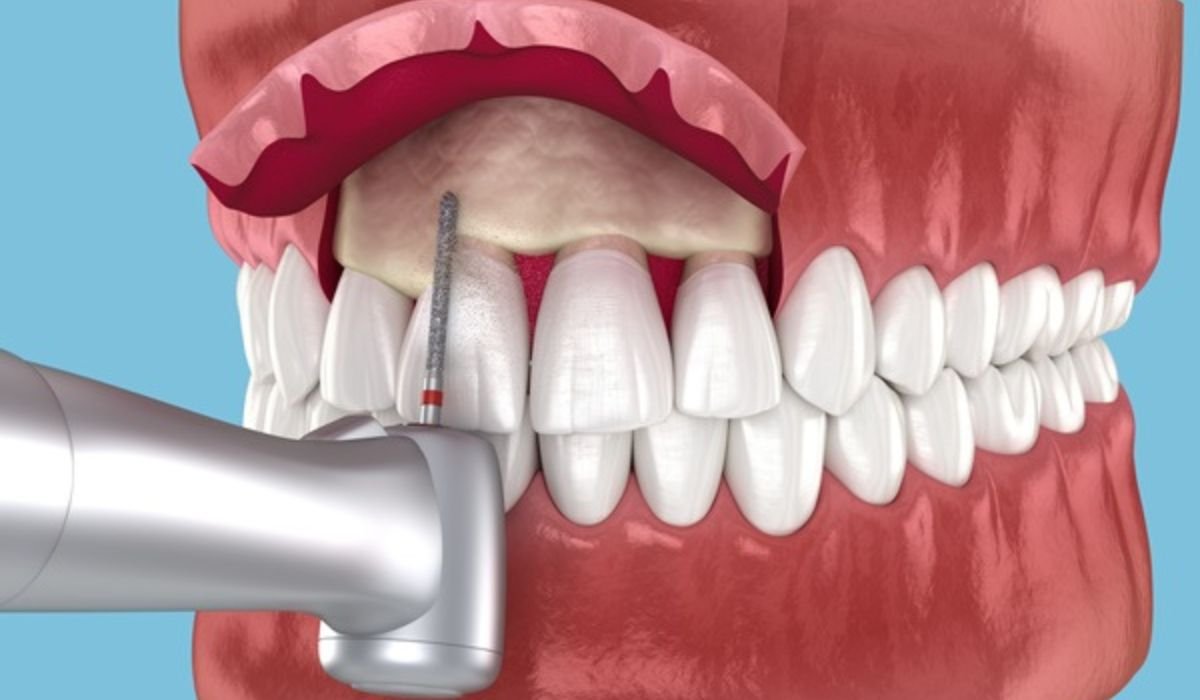
In simple terms, crown lengthening is a bit like trimming and reshaping your gums (and sometimes the underlying bone) so there’s enough natural tooth for a cap or crown to hold onto. For the young professional on the go in Brisbane, understanding this procedure can turn that next dental visit from scary to breezy.
In this guide, I’ll walk you through what crown lengthening actually is, when it becomes necessary, and what to expect from start to finish. No dentist-speak here—just plain English (with an Aussie twang) and a dash of wit to keep it engaging. Let’s dive in and demystify crown lengthening, together.
Crown lengthening is a minor oral surgery that exposes more of a tooth by trimming back some gum tissue—and occasionally a bit of bone. In effect, it gives your dentist a better “view” of the tooth’s root and more surface to work with. Think of it like revealing more of the foundation of a house so you can attach a new roof properly.
Imagine your tooth as a building that’s sunk into the gum “ground”. If you only build a small structure above ground, there’s not enough room to attach a strong, custom-made cap. Crown lengthening ensures there’s enough tooth above the gum line for a secure fit.
According to Healthdirect, a dental crown literally “covers a damaged or broken tooth with a cap” to restore its look and function. But before you crown a tooth, the dentist needs solid tooth to crown onto—hence crown lengthening can be needed.
In my practice, I explain it like this: “Your tooth needs to be tall enough above the gums for the crown to grip. If it’s not, we do a little gum re-sculpting so the new crown isn’t left hanging!” It’s typically done by a periodontist or a dentist with special training.
After a quick numbing shot, they’ll gently remove a line of gum (and if needed, a sliver of bone) from around the tooth. The gums are then stitched back in an even line. It might sound intense, but in Brisbane it’s often an outpatient procedure that takes an hour or less.
You might wonder, “Do I really need this extra surgery, or can we skip straight to the new crown?” Good question. Crown lengthening is not always needed. It’s only recommended in specific situations. Here are the most common reasons I see in the clinic:
So when do you actually say yes to crown lengthening? Here’s a short checklist:
If any of those apply to you, crown lengthening might be on the cards.
For instance, if you’re seeing an Auckland or Brisbane dentist about a badly cracked tooth, they might say, “We’ll do a crown lengthening first to make sure your crown stays on.” It’s part of setting up a strong foundation for that dental crown treatment. In fact, during a dental crown treatment (when prepping a tooth for a crown), I often recommend crown lengthening so there’s plenty of tooth surface. This way the crown isn’t at risk of slipping off.
Sometimes it might seem easier to just extract the tooth instead. If a tooth is borderline, we’ll weigh options: extraction and implant vs. saving with crown+lengthening. A lot of factors (cost, healing time, anatomy) come into play. But if saving the tooth, crown lengthening can be the key first step.
If you do need crown lengthening, here’s roughly what happens step by step in the chair (or, being honest, leaning back in the chair):
During the process, we might even use digital scanning or X-rays (like the screen above) to plan exactly how much to remove.
Recovery is usually quick. In the first 24-48 hours, ice packs can reduce swelling. The stitches might stay in for about 1-2 weeks. Most people are comfortable returning to light activities within a day or two, and you should avoid heavy lifting or intense exercise only for the first couple of days. Your dentist will schedule a follow-up in a week or two to check healing and possibly remove any stitches. By about three months, the bone and gum have mostly healed into their new positions, and you’re ready for that final crown fitting. (Patience pays off—a little wait ensures the crown sits perfectly.)
Aftercare Tips (quick list):
Let’s address money (because we all wonder about it). Crown lengthening costs can vary. In Australia, some Brisbane dental clinics quote around a few hundred to over a thousand dollars per tooth, depending on how many teeth are involved and how extensive the surgery is.
For example, one source suggests from roughly $500 up to $3,000 per tooth as a ballpark. Keep in mind, that’s in US dollars in that reference, so Aussie prices (in AUD) might be similar or slightly different.
In Brisbane, factors include: which suburb you’re in (inner city may cost more), the dentist’s experience, and whether you choose laser vs. traditional. Sadly, crown lengthening isn’t covered by Medicare in Australia, and only some private insurances cover part of it if deemed medically necessary.
It’s best to check with your insurer. Brisbane also has a few public dental clinics, but specialist surgeries often have long waits, so most people go private.
For peace of mind, I encourage patients to get a written quote from the dentist or periodontist. Some practices offer payment plans or financing options. Remember, the cost of crown lengthening is often far less than extracting the tooth and getting an implant later.
No surgery is 100% risk-free. But crown lengthening is routine and safe when done by a qualified dentist. You might experience some normal side effects: slight bleeding in the first day, swelling (which peaks around 1-2 days after), and sensitivity of the tooth to hot/cold for a while. The gums will look obviously higher, so your tooth may look longer next to its neighbors (this is expected and part of the goal).
It’s very important to follow post-op care. The main risks are infection or poor healing. Infection chance is low (similar to other clean surgeries) if you rinse and maybe take antibiotics as prescribed. If an infection does start, you’d get antibiotics and re-cleaning. Sometimes the stitches might come loose; if that happens, call the dentist to have them redone.
One aspect to consider: removing bone means that if down the line the tooth still fails, placing an implant might require more advanced grafting (because there’s less bone). We’ll discuss all these scenarios upfront so you’re fully informed.
Overall, done right, crown lengthening should improve your dental outcome. In fact, reputable sources say it “creates a solid foundation for restorations” and makes cleaning easier. So the benefit is usually well worth the temporary discomfort.
Crown lengthening might have a fancy name, but at its heart it’s just a practical step some teeth need before getting a new crown or smile makeover. It’s common, quick, and in experienced hands, painless in the moment (thanks to modern anesthesia) and recoverable.
If your dentist has mentioned crown lengthening, it’s often because they’re making sure your new crown will last long term. Trust me, I’ve seen crowns fail when this step was skipped—so it’s a safety net for your smile. In Brisbane and beyond, the procedure is straightforward: a bit of gum trimming, a few stitches, and soon you’ll be biting confidently again.
Have more questions or think about your own crown concerns? Chat with your dentist or a Brisbane periodontist. They’ll guide you through the details for your case. Your healthy smile (and comfortable bite) is worth it in the end!
Ready to find out if crown lengthening is right for you? Book a consultation with your local Brisbane dentist or periodontist today. It might just be the extra step that saves you trouble (and tooth) down the line.
Is crown lengthening painful?
Not really. You’ll get numbed up, so the procedure itself is painless. Afterward, expect some soreness (like a stiff jaw) for a couple of days. We’ll give you pain meds just in case. Most people say it feels like a sore muscle, not sharp pain.
How long is the recovery?
You’ll feel better each day. Most folks return to work or normal routine the next day, though you’ll need to avoid heavy exercise for a few days. Stitches come out in 1–2 weeks. By about 6–8 weeks, the gum is mostly healed, but final settling can take up to 3 months (don’t worry, you won’t have stitches that long).
Will it change how my smile looks?
Initially your tooth will look slightly longer than before, which is usually the point (a gummy smile becomes more balanced). It should actually improve your smile by making teeth look the right length. Once healed, your crown will be attached at the new height, giving a natural appearance.
How much does it cost?
It varies, but generally plan for several hundred to over a thousand dollars (in AUD) per tooth. Your dentist can give a quote after evaluating how many teeth and how much tissue needs adjusting. It’s an investment in the success of your crown, so think of it as part of the total restorative plan.
 27Jul
27Jul
 24Jul
24Jul
 22Jul
22Jul
Nearly invisible, removable aligners, 3D-scanned and planned in-house by our Paddington dentist. Book a free consult and we'll tell you if Spark suits your teeth and give you an exact quote.
Simple cases only. Final price depends on treatment complexity; clinical assessment required.