Burning Tongue Syndrome: Dental Causes You Shouldn’t Ignore
Ever woken up feeling like you actually devoured a barbie before bedtime, even though it was just a toasted sandwich? That’s your tongue on fire...

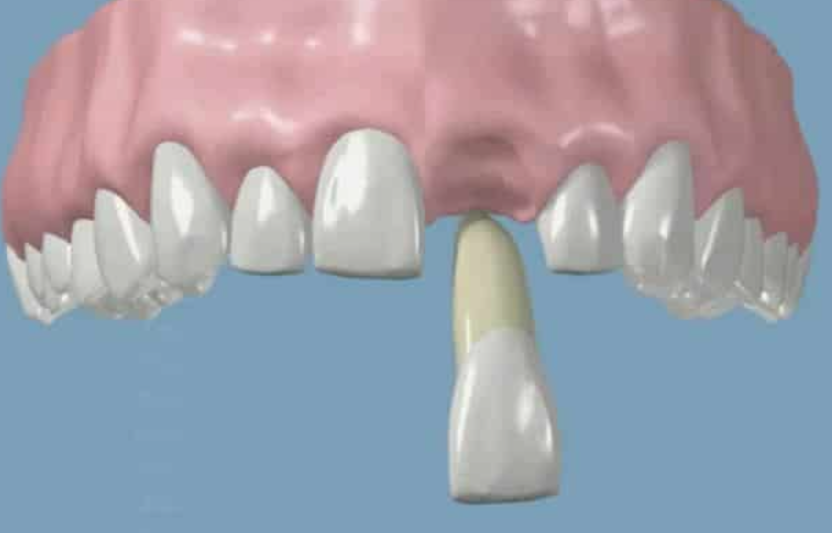
Imagine you’re on a weekend footy match, riding your bike through Red Hill or just falling over on a slippery path. In a split second there is a sharp impact and your tooth is on the ground where it shouldn’t be. It’s a scary moment and your first reaction might be to panic. Trust me, you’re not alone. A Knocked-Out Tooth is one of the most stressful dental emergencies because every minute counts.
The good news is that acting quickly can make all the difference. If you know what to do within the first 30 to 60 minutes, there’s a much better chance your dentist can save the tooth. Keeping calm, treating the tooth correctly and getting professional treatment quickly can make all the difference to the outcome.
The first step to take when you require urgent treatment is to contact an emergency dentist red hill as soon as you can. Fast treatment gives you the best chance of re-implantation success and can help to reduce the risk of long-term complications.
Whether the injury happens during sport, at work, at school, or around the house, knowing the right first-aid steps can save you unnecessary pain, expensive treatment, and even the loss of a permanent tooth. In this guide, I’ll walk you through exactly what you should do, what you should never do, and when it’s time to seek emergency dental care in Red Hill.
A knocked-out tooth is not the same as a chipped or cracked tooth. A knocked-out tooth means the tooth, the surrounding tissues, the blood vessels and the tiny periodontal ligament fibres that help hold the tooth in your jaw are all damaged.
These delicate cells begin to disintegrate the instant a tooth is removed from its socket. The longer the tooth is out of the mouth the less chance there is of saving it successfully. That’s why a knocked-out permanent tooth is always considered a true dental emergency by dentists.
Fast action can help:
Imagine you have accidentally pulled a plant out by its roots and now you are trying to save it. The sooner you put it back in healthy soil the better chance its roots have to survive. Your tooth works in an astonishingly similar way.
Time Matters with a Knocked-Out Tooth in dental emergencies, the first hour is referred to as the “golden window” by dental professionals. This is because the living cells attached to the root of the tooth are at their most viable during this time.
The sooner you receive professional treatment, the greater the likelihood of successful reimplantation.
If you’d like trusted health information about dental emergencies and oral health, the Australian Government’s Healthdirect Australia provides practical guidance for the public:
While online advice can help you understand the situation, it should never replace immediate professional dental treatment.
It’s easy to panic, but taking the right steps can dramatically improve the chances of saving your tooth.
The first few minutes feel overwhelming, especially if there’s bleeding.
Take a deep breath.
If someone else is injured, reassure them and keep them as calm as possible. Clear thinking leads to better decisions.
Locate the tooth immediately.
Pick it up carefully by the crown, which is the white chewing surface you normally see in your mouth.
Never hold the root.
The tiny living cells attached to the root play an important role in helping the tooth reconnect after treatment. Touching or scrubbing them can reduce the chances of success.
These instructions apply to permanent adult teeth.
If a young child loses a baby tooth, don’t try to place it back into the socket because doing so may damage the developing adult tooth underneath.
Instead, arrange prompt dental care to assess the injury.
If dirt or debris sticks to the tooth, rinse it gently using clean milk or saline solution.
If neither is available, use clean running water for only a few seconds.
Avoid:
These actions may damage important root surface cells.
If you feel confident and the injured person remains conscious and cooperative, gently place the tooth back into its socket.
Hold it in place by biting softly onto clean gauze or a folded handkerchief until you reach the dentist.
If reinsertion isn’t possible, don’t force it.
Instead, keep the tooth moist and head straight to emergency dental care.
If you can’t place the tooth back into the socket, your next priority is keeping it moist. The way you store a Knocked-Out Tooth can make a real difference to whether your dentist can successfully save it.
Many people instinctively wrap the tooth in a tissue or place it in a pocket. Unfortunately, both options allow the tooth to dry out, which reduces the chance of successful reimplantation.
Instead, choose one of these storage methods.
| Storage Method | Recommended? | Why It Works |
| Cold milk | ✅ Best option | Help to protect the living cells on the root. |
| Saline solution | ✅ Excellent | Keep the tooth moist and clean. |
| Inside your cheek (adults only) | ✅ Good | Saliva help to stop tooth from drying out. |
| Tooth preservation kit (if available) | ✅ Ideal | Design specially for dental emergencies. |
| Plain water | ⚠️ Last resort | For shortly it can be usable rather than dry |
| Dry tissue or cloth | ❌ Never | Dry tissue can damage the important cells |
It can be intimidating to walk into an emergency dental clinic with a Knocked-Out Tooth, particularly if you’ve never had a dental emergency before. The good news is, your dentist has a very well established treatment process to quickly evaluate the injury and give your natural tooth the best possible chance to survive.
The appointment usually starts with a complete examination of your mouth, gums and adjacent teeth. Your dentist will ask you how the accident happened, when the injury occurred and how the tooth was stored after it was knocked out.
Often dental x-rays are taken to get a better idea of the injury. The pictures can help identify problems that are not always obvious during a physical exam, such as root fractures, jaw injuries, bone damage or tiny pieces of teeth that may still be in the socket. This information enables your dentist to create an accurate treatment plan from the outset.
If the tooth is still in good enough shape to be re-implanted, your dentist will carefully place it back into the empty socket. This is usually faster than most people expect and is done as gently as possible to not cause any further trauma.
Once the tooth has been repositioned, your dentist will usually stabilise it with a small flexible splint that is fixed to the adjacent teeth. This splint will stabilise the tooth while the bone, gums and supporting tissues around the tooth gradually heal over the next few weeks.
The honest answer is no, unfortunately. Dentistry has made great advances in the treatment of dental trauma but many factors come into play in terms of whether a Knocked-Out Tooth can be successfully saved.
Best results are usually obtained if the tooth is reinserted within the first 30 to 60 minutes, has been kept moist after the injury and has not suffered major damage to the root or surrounding bone. Good overall oral health and close attention to your dentist’s after-care instructions are also important for long-term success.
There is good news, though reimplantation may not be possible. Today’s dental treatments can restore your smile and replace missing teeth in many effective ways, while preserving appearance and function.
Your dentist will direct you to the best solution for your particular circumstances.
Seeing your child lose a tooth in a fall can be scary, but it is important to know if it is a baby tooth or a permanent tooth. If a baby tooth is knocked out, don’t be tempted to put it back in the socket. This could damage the permanent tooth developing underneath the gums.
Instead, gently control any bleeding with clean gauze, comfort your child and make an emergency dental appointment as soon as possible.
Your dentist will examine the injured area for any injury to the surrounding tissues and to see if the injury affected the developing adult tooth.
What I’ve learned is that the best thing you can offer your patients when they are in dental emergencies is preparation. Knowing what to do can make all the difference and when you’re calm and quick to act, you’re much more likely to be successful in a Knocked-Out Tooth situation.
I always suggest that you save the details of a good local emergency dentist in your phone. You don’t want to waste precious minutes searching on line for help in a stressful situation. We see patients all the time at Herman Advanced Dental who made a quick decision after an accident and that quick decision provides us a much better chance of saving the natural tooth.
If you or a family member participate in contact sports, one of the easiest and most effective ways to reduce the risk of serious dental injury is to invest in a professionally made custom mouthguard. This mouthguard fits better than a normal store bought mouthguard and offers much better protection during rugby, AFL, basketball, hockey and other high impact activities.
Your treatment does not end when your dentist puts your Knocked-Out Tooth back into its socket. And in many ways that’s where the real healing starts. In the coming weeks and months, your tooth, gums and supporting tissues will need time to recover. The care you take during this period can have a significant impact on the final outcome.
Healing takes a bit of patience but is well worth the effort. In the first few weeks, your dentist will usually advise you to eat soft foods, to not chew on the injured side, to brush gently around the site and, if appropriate, to use an antibacterial mouth rinse.
They’ll also advise you to stop smoking and vaping, both of which can slow healing and increase the risk of complications. Most importantly, do not skip your follow-up visits.
While you can’t control all accidents, you can reduce your risk by cultivating a few good habits.
These simple precautions are well worth considering if you or your family enjoy an active lifestyle around Red Hill.
Whatever your sport, a custom-fit mouthguard provides excellent protection against dental injuries in rugby, AFL, basketball, hockey or martial arts.
Custom mouthguards fit better, are more comfortable and provide more protection than over-the-counter options.
If your place of work involves heavy machinery, construction or physical labour, always wear the recommended protective equipment.
Improper use of protective gear is the cause of most dental injuries in the workplace.
Healthy teeth are generally stronger and better able to withstand accidental blows.
Getting regular checkups with your dentist means you can catch things like gum disease, weakened fillings, or tooth decay early, before they turn into bigger problems.
A Knocked-Out Tooth can happen when you least expect it, but your response during the first hour can have a lasting impact.
The key points are simple:
These actions may seem small, yet together they can significantly improve the chance of saving your natural tooth.
When you’re prepared, you’re far more likely to make the right decisions under pressure.
Nobody plans for a dental emergency, but knowing how to handle a knocked-out tooth can make all the difference. The best chance you have of saving your natural tooth and avoiding more complex treatment later is to act quickly, store the tooth properly and seek immediate professional care.
If you live in Red Hill or the local area, do not wait for the pain to fade or think the problem will fix itself. Dental emergencies require immediate care and every second counts. The sooner you get help the better chance you have for a successful outcome.
Call for Action if you or a family member has a Knocked-Out Tooth. Take immediate action today to safeguard your smile for years to come.
The best chance to save a Knocked-Out Tooth is within 30 to 60 minutes of the injury. The sooner you get emergency dental treatment the better the chance of successful replanting of the tooth.
No. When you need to rinse away dirt, use water briefly. For transport keep the tooth in cold milk, saline solution or a tooth preservation kit to help protect the living cells on the root.
No. A Knocked-Out Tooth is permanent and will not grow back naturally. But if you act quickly and seek prompt dental care, your dentist may be able to re-implant and save the original tooth.
Never try to put the baby tooth back in the socket as this could damage the permanent tooth growing underneath. Get your child to the dentist as quickly as possible for a mouth examination and treatment option to be recommended.
 27Jul
27Jul
 24Jul
24Jul
 22Jul
22Jul