Ever caught yourself thinking dental sealants are just for kids? Well mate, let’s have a yarn about something many grown-ups might be overlooking. Imagine your back teeth are like a rugged mountain range of nooks and crannies – the perfect hideout for sugar bugs.
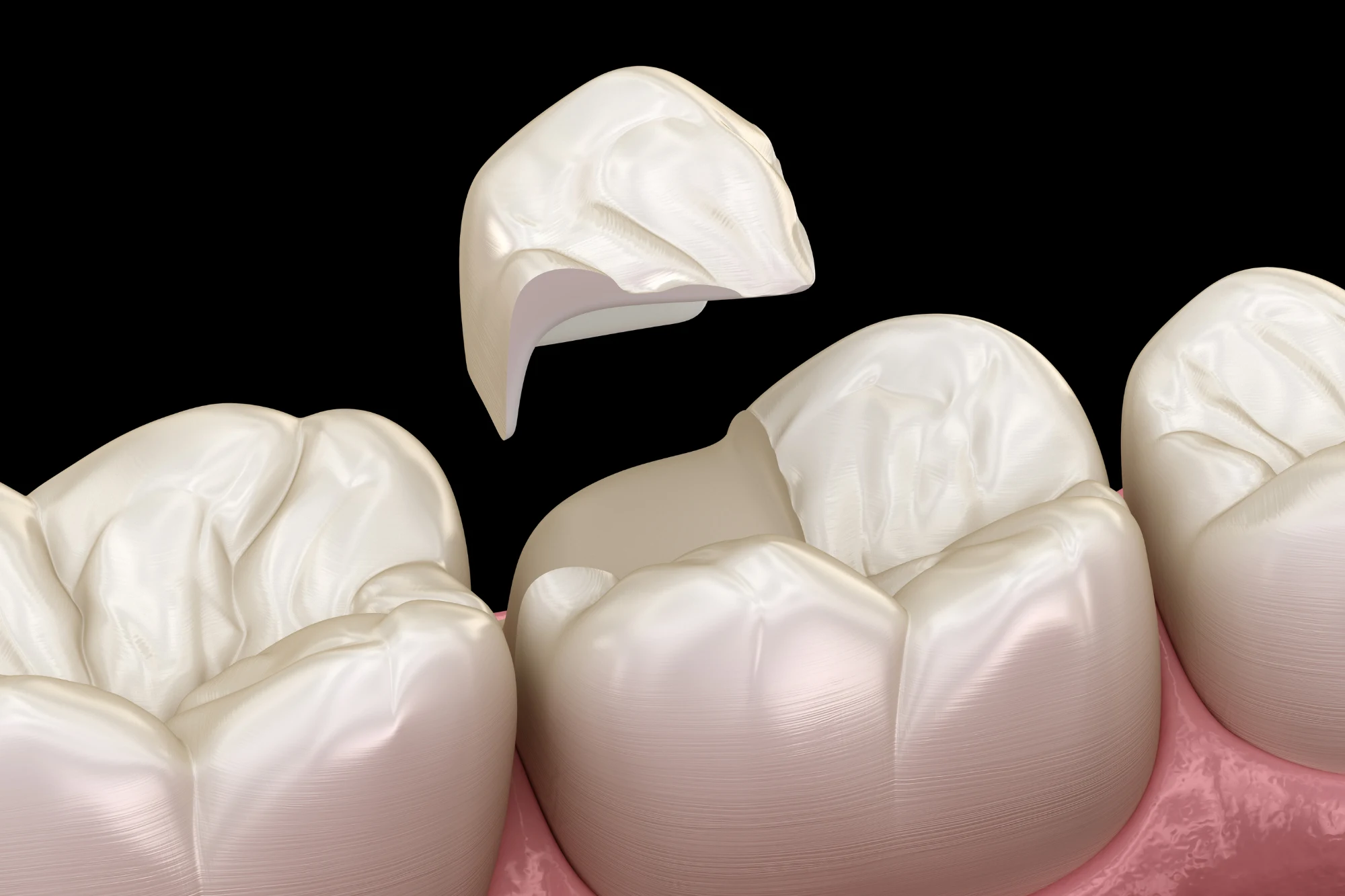
A dental sealant is basically a super-thin coating (think of it like a raincoat) painted over those deep grooves. It seals off the pits in your molars, making it much tougher for decay-causing plaque to throw a party.
In this blog, we’ll dive into whether giving your adult molars this extra armour is worth the fuss, especially here in Queensland where sugar and sun are in abundance.
How Dental Sealants Work
These thin coatings usually cover the chewing surfaces of your back teeth (molars). The idea is simple: sealants fill in all those tiny fissures and pits so food and bacteria can’t get stuck. Think of it like painting over the grooves with a clear varnish.
According to Queensland Health, sealants are “thin coatings of dental material applied to the grooves” of teeth to keep out food and plaque. With the grooves sealed off, you’ve got a smooth surface that’s easier to clean with your toothbrush.
In practice, your dentist or hygienist will clean and dry the tooth, apply a special gel (no drilling needed), and then paint on the liquid sealant. A curing light (blue light) quickly hardens it. Voila – your tooth now has an extra layer of defence.
It’s pretty painless – no needles, no buzzing drill – just a quick paint-and-cure, usually done in under 30 minutes for all four molars. Because sealants are tooth-coloured (clear or white), they’re barely noticeable and feel totally natural in your mouth.
Benefits of Sealants for Adults
You might have heard “sealants = kids’ treatment,” but don’t chuck this idea out just yet. Even as an adult, your molars can catch cavities in those deep grooves. In fact, young adults (think 20s and 30s) often end up with more untreated decay in back teeth than other age groups. Sealants act like VIP security for those hard-to-reach spots. Here are some Aussie-friendly perks:
Cavity prevention. By keeping sugar bugs out of the pits, sealants can dramatically cut your cavity risk. Studies suggest sealants can prevent up to 80% of decay in molars during the first year or two. Even after 5–7 years, they still offer about half the protection. It’s like having a mosquito net around your molars – fewer bugs mean fewer holes.
Saves money (maybe!). They’re relatively cheap per tooth (see table below). For the price of a coffee or two, you get years of protection. That’s cheaper than a filling or root canal down the track. It’s prevention versus cure: chucking a few dollars on sealants now could save you hundreds on future treatments.
Quick and painless. No drilling or injections. Most people (even adults) barely notice when we do sealant. You just sit back and watch some Netflix while we apply it – and then you’re done.
Better hygiene. Fewer nooks to scrub means brushing and flossing do a better job. You might actually find your teeth feel smoother, and those tricky molars get cleaner.
Of course, there are some things to think about. Sealants don’t last forever – typically 5–7 years if well cared for – and they can chip or wear in spots. Regular dental check-ups (every 6–12 months) include a quick sealant check. If one edge has lifted, we just re-seal that spot.
Also, if you already have a ton of fillings or an obviously broken-down tooth, your dentist may suggest a filling or crown instead of a sealant. And remember, sealants only protect the surfaces they cover – you still need to brush, floss and watch the sugary snacks.
In short, sealants give you an extra layer of protection, not a replacement for good oral care. If you tend to have plaque-loving deep grooves, they can be a real boon. As one local Paddington Dental Clinic dentist puts it, “Sealants are a bit like insurance for your back teeth – cheap, painless, and they let you skip some drama later on.”
Costs, Insurance and What to Expect
Sealants are generally inexpensive. On average in Australia, you’ll pay about $45–90 per tooth (roughly $60 each). In other words, sealing all four molars might run you $200–$360. By comparison, a single cavity filling can cost anywhere from $150 to $300 (or more if it’s tricky), and a crown can be well over a grand. Check out this quick table:
Procedure
Approx. Cost (AUD)
Lifespan / Notes
Dental sealant
$50 – $100/tooth
Lasts ~5–7 years (often longer if intact)
Dental filling
$150 – $300/tooth
Until decay returns or it wears out
Full dental crown
$800 – $2,000/tooth
Permanent fix for big damage
Routine check-up (clean + exam)
$200 – $250
Typically needed twice a year
These are ballpark figures – actual fees vary by clinic and location (QLD dental fees can be higher in city clinics). If you have private health extras cover, check your plan: many will cover sealants or at least reduce your out-of-pocket.
Public schemes like the Child Dental Benefits Schedule cover kids, but unfortunately most adult sealants aren’t publicly funded in Queensland. That said, some concession-card holders may get subsidised care at community dental clinics. It’s worth asking your dentist what deals they have.
Either way, sealing four molars for, say, $250–$300 is a small price for up to half a decade of extra protection. Even if the sealant chips, it’s an easy repair when you’re in for your next clean. Think of it as a little pre-investment in avoiding bigger issues later.
The Sealant Procedure (What to Expect)
Got a minute? That’s about all the time you need. On the day of your sealant appointment, we’ll start with a routine check-up and clean. As long as your tooth is free of obvious decay, we’re good to go. The whole process is surprisingly simple:
Clean & dry. We clean your tooth really well (micro-brushing or polishing) so the sealant will stick. Then the tooth is dried off.
Etch the surface. A mild acidic gel is painted on the enamel. This roughens up the surface microscopically, so the liquid sealant can bond tightly.
Apply sealant. Using a tiny brush or applicator, we ‘paint’ the liquid plastic into all the pits and grooves. It flows into every nook as needed.
Cure. A quick hit of UV light (like what nails salons use!) hardens the sealant within seconds.
Check bite. We gently test your bite to make sure it feels normal. Any excess material is smoothed off.
Done! It feels like a smooth tooth, maybe a little bulky at first but you soon forget it’s there. There’s absolutely no pain – most folks kick back and chat while we paint on each tooth. We usually seal all molars in one session, but sometimes might split it into two appointments if someone’s jaw gets tired.
Aftercare is low-key. You can eat and drink normally right away (just avoid super-hot or sticky stuff for an hour). Keep brushing and flossing as usual; the sealant actually makes brushing easier.
It’s wise to mention you have sealants to your hygienist or dentist at every visit. They’ll lightly explore the grooves to make sure the sealant is still solidly bonded. If a bit has worn away (often after a few years), they’ll just touch it up.
Maintaining sealants is as easy as normal dental care. If you feel any rough edges or notice a little chip, let your dentist know – a quick fix will restore the smooth surface. In practice, sealants rarely chip off completely.
Most of the time, we just monitor them during routine cleanings. Remember: sealants aren’t a one-and-done magic wand, they’re more like a “last line of defence” – so keep up with your brushing, sugar moderation and those check-ups.
Pros and Cons: Should You Get Sealants?
Here’s the straight-up lowdown:
Pros:
Prevents many cavities. If you’ve ever had a filling in a molar, sealants could keep you from needing another.
Quick and easy. No needles, no drills, no splashing pain – just a quick appointment.
Saves money long-term. Fewer cavities means fewer fillings or crowns down the track (which are pricier).
No ageing limit. Even if you’re in your 50s or beyond, you can still get sealants on healthy molars.
Cons:
May wear over time. They do chip or wear, so they need a check every now and then. (Not a big deal – usually a quick repair.)
Not covered by Medicare. You’ll likely pay out-of-pocket unless extras cover it.
Not a replacement for brushing. Sealants only protect what they cover. You still need to brush, floss, and avoid too many lollies.
Limited use on broken teeth. If you already have big holes or fillings, sealants aren’t suitable for those teeth – you need conventional treatment first.
I’m all for sealants on the right candidates. As a dentist I’ve seen many adults save themselves from future agony. Imagine skipping that needle and drill in favour of a light-cure varnish and then never having to fix that spot again (for a long while).
But it makes sense mostly if you’re a bit cavity-prone or can’t guarantee a perfect brush job on your molars. If your dentist says your enamel on the chewing surfaces is sound but has deep grooves, a sealant is a no-brainer.
Conclusion: Are They Worth It?
So are dental sealants worth it for adults? In my honest Aussie opinion: if you’ve got healthy molars at risk of decay, they absolutely can be. They’re cheap insurance against painful, expensive problems later.
It feels surprisingly cool to have this low-key shield on your teeth. Not a magic cure-all, but a clever trick in the dentist’s toolkit. If this chat made you go “Hmm, maybe my teeth need that!” – why not bring it up at your next check-up?
Give it a go! Your molars spend all day chewing and grinding – it’s fair to give them a helping hand. Talk to your dentist (or drop by your local Paddington Dental Clinic) to see if sealants suit your smile.
It might just be the easiest thing you do all year to keep your teeth Aussie-strong. After all, the only thing worth more than a strong jaw is the peace of mind that you’ve done the best to protect it.
FAQs
Q: Can adults really benefit from dental sealants? A: You bet. While sealants are often applied in childhood, adults can use them too. If your back teeth (molars) have deep grooves or you’ve had cavities there before, a sealant can give extra protection. Think of it as age-blind insurance for any tooth at risk.
Q: How long do dental sealants last on adult teeth? A: Usually around 5–7 years, sometimes longer. They don’t dissolve in your mouth, but they can chip a little. Your dentist will check them at each visit and repair or replace any worn spots. With good care, many sealants stay effective for a decade or more.
Q: Does it hurt, or are there any side effects? A: Nope, it’s a breeze. No drilling, so no drilling pain or needles. Most people feel nothing more than a light taste of the gel or sealant. Rarely, some gum irritation can happen if it touches soft tissue, but this is very uncommon. All in all, sealants are considered extremely safe.
Q: Are dental sealants covered by Australian Medicare or insurance? A: Medicare doesn’t cover routine dental procedures, so sealants aren’t covered there. Some private health funds do cover or rebate sealants under extras. Public dental clinics offer free or low-cost services for eligible adults (like pensioners) but availability is limited. It’s best to check with your insurance or the clinic about rebates. In many cases, the out-of-pocket cost is still low compared to the benefit.
Nearly invisible, removable aligners, 3D-scanned and planned in-house by our Paddington dentist. Book a free consult and we'll tell you if Spark suits your teeth and give you an exact quote.

 27Jul
27Jul
 24Jul
24Jul
 22Jul
22Jul