Teeth Implants Recovery: Healing Time, Care and What to Avoid
Getting Teeth Implants can feel like a big step, but recovery does not need to feel confusing. Once the implant goes in, your body starts doing the quiet work behind the scenes: healing the gum, calming the area and helping the jawbone bond with the implant.
I like to think of implant recovery like building a strong foundation under a beautiful home. You do not rush the foundation. You protect it, let it settle and follow the right steps so the final result feels solid, comfortable and long-lasting.
If you need guidance before or after treatment, a same day teeth implants Brisbane dentist can explain your options, check your healing and help you protect your new smile with the right aftercare plan.
Why Teeth Implants Recovery Matters
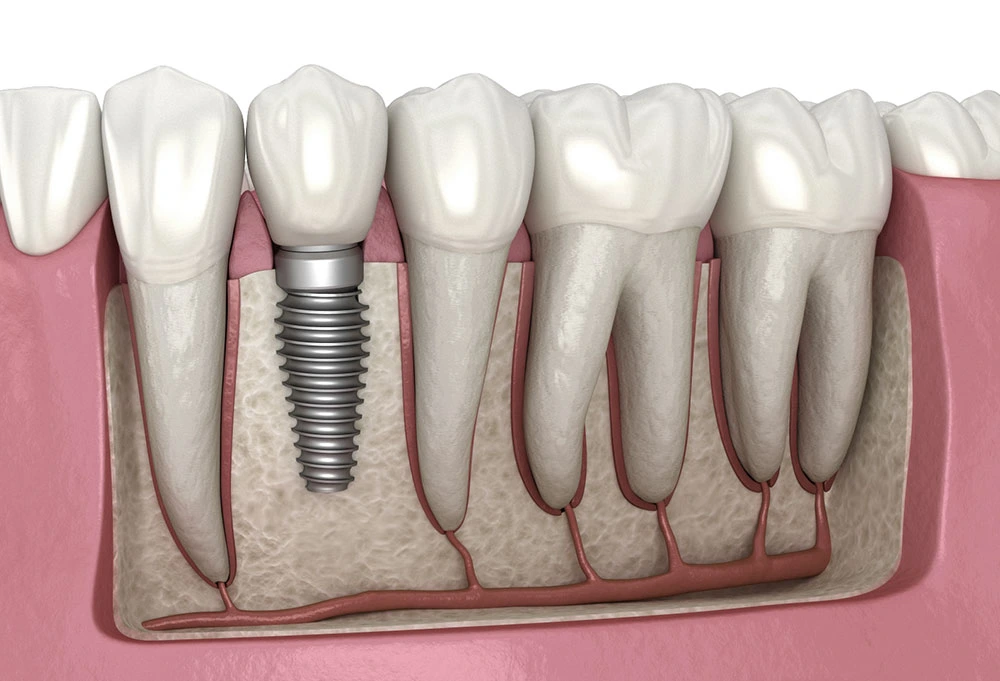
Good recovery helps your implant settle properly. After surgery, your gum and bone need time to heal around the implant. Your dentist may call this process osseointegration, which simply means your jawbone grows around the implant and helps hold it firmly in place.
That healing stage matters because Teeth Implants rely on stability. You want the implant to sit securely before your dentist adds the final crown, bridge or denture. If you chew too hard too soon, skip cleaning advice or ignore warning signs, you can slow healing or create problems.
Most people recover well when they follow their dentist’s instructions. The trick is patience. I know, not glamorous. But patience does more for implant healing than any fancy mouthwash sitting proudly on the bathroom shelf.
How Long Does Teeth Implants Recovery Take?
Recovery happens in stages. You may feel better within a few days, but full healing takes longer. Healthdirect Australia explains that bone can take about three months to grow around a dental implant, and patients should follow professional aftercare advice during healing through its dental implant information.
Here is a simple timeline:
Recovery Stage
What Usually Happens
What You Should Do
First 24 hours
Mild bleeding, swelling and tenderness
Rest, use gauze as advised and avoid hard foods
Days 2 to 3
Swelling may peak
Keep food soft and follow pain relief advice
First week
Gum starts settling
Brush gently and avoid chewing on the implant area
2 to 3 weeks
Soft tissue heals further
Attend follow-up visits if booked
Around 3 months
Bone integration continues
Avoid heavy pressure until your dentist clears you
Final restoration stage
Crown, bridge or denture may be attached
Maintain excellent daily cleaning
Every patient heals differently. Your recovery may depend on your overall health, bone quality, implant location, number of implants, whether you needed a bone graft and how closely you follow aftercare steps.
What to Expect in the First 24 Hours
The first day after Teeth Implants matters most. Your body starts forming a clot and calming the surgical area. You may notice light bleeding, swelling, mild pain, tenderness or a strange “full” feeling near the implant site.
Keep things simple during this stage.
You should:
• Rest and avoid heavy activity • Bite gently on gauze if your dentist gives it to you • Use an ice pack as advised • Eat soft, cool foods • Avoid rinsing your mouth strongly • Avoid alcohol and smoking • Take medication exactly as your dentist recommends
Do not poke the area with your tongue or fingers. I know the temptation feels real. Your tongue turns into a detective after dental work. But let the site heal in peace.
What Can You Eat After Teeth Implants?
Food can either help healing or annoy the surgical site. For the first few days, choose soft foods that need little chewing.
Good options include:
• Yoghurt • Smoothies without a straw • Mashed potato • Scrambled eggs • Soft pasta • Soup that has cooled down • Avocado • Soft fish • Porridge • Steamed vegetables
Avoid foods that can irritate or disturb the area.
Eat This
Avoid This
Soft eggs
Crunchy chips
Mashed vegetables
Nuts and seeds
Smooth yoghurt
Popcorn
Soft pasta
Hard toast
Cool smoothies
Hot spicy meals
Soft fish
Sticky lollies
Lukewarm soup
Tough steak
Brisbane has no shortage of good food, but your implant site does not need to meet a crunchy sourdough roll on day two. Give it a gentle menu first.
What to Avoid After Teeth Implants
After Teeth Implants, you want to protect the healing site from pressure, bacteria and irritation. Some habits can slow recovery or increase the risk of complications.
Avoid these during early healing:
• Smoking or vaping • Drinking through a straw • Alcohol in the first healing stage • Hard or crunchy foods • Sticky foods • Heavy exercise too soon • Touching the implant site • Skipping medication instructions • Missing follow-up appointments • Chewing directly on the implant area
Smoking deserves a special mention. It can affect healing and increase the risk of implant problems. If you smoke, speak with your dentist before surgery and ask for practical advice. No judgement. Just smart planning.
How to Manage Pain and Swelling
Mild pain and swelling can happen after implant surgery. This does not mean something has gone wrong. Your mouth has just had a surgical procedure, so it may act a little dramatic for a few days.
You can usually manage discomfort by:
• Taking pain relief as directed • Using cold packs during the first day • Resting with your head slightly raised • Eating soft foods • Avoiding hard chewing • Keeping the area clean as advised
Swelling often peaks around the second or third day, then starts improving. If swelling gets worse after several days, or if pain becomes stronger instead of easing, call your dentist.
How to Clean Your Mouth After Teeth Implants
Cleaning matters, but you need to do it gently. Your dentist may give specific instructions based on your procedure.
In the first 24 hours, you may need to avoid strong rinsing. After that, your dentist may recommend gentle rinsing or a special mouthwash.
General care may include:
• Brush other teeth gently • Avoid brushing directly over the surgical site until advised • Use mouthwash only if your dentist recommends it • Keep food away from the implant area • Clean around the site carefully as healing improves • Return for professional checks
Once healing progresses, you will need to care for Teeth Implants much like natural teeth. That means brushing, flossing or using interdental brushes, and attending regular check-ups.
Implants cannot get decay like natural teeth, but gums around them can still get inflamed or infected. Clean gums matter.
Can You Work After Teeth Implants?
Many people return to work within a day or two, especially after a simple single implant. However, you may need more time if you had multiple implants, sedation, bone grafting or a more complex procedure.
If you work at a desk, you may feel fine quite quickly. If you work outdoors, lift heavy items, manage tools or move around a lot in Brisbane heat, ask your dentist when you should return.
A good rule: give yourself room to recover. Your inbox can wait. Your jawbone has more important architecture to handle.
Exercise After Teeth Implants
Avoid heavy exercise during the early recovery period. Intense activity can increase bleeding, swelling or throbbing around the implant site.
For the first couple of days, choose rest over workouts. After that, slowly return to normal activity when your dentist says it suits your case.
Avoid:
• Running too soon • Heavy lifting • High-intensity training • Contact sports • Bending and straining • Swimming if your dentist advises against it
Light walking may feel fine for many people, but listen to your body. If your mouth throbs, slow down.
Warning Signs After Teeth Implants
Most healing follows a steady path. Still, you should know when to call your dentist.
Contact your dentist if you notice:
• Heavy bleeding that does not stop • Pain that gets worse after a few days • Swelling that increases instead of improving • Fever or feeling unwell • Pus or bad taste near the implant • Implant feeling loose • Numbness that does not improve • Trouble opening your mouth • Severe pain when biting • Bad smell from the surgical area
Do not wait and hope the issue disappears. Early care can prevent a small concern from becoming a bigger problem.
How to Help Teeth Implants Last Long-Term
Long-term success starts with daily habits. Once your implant heals and your dentist adds the final tooth, you still need to keep the area clean and protected.
To support long-term results:
• Brush twice a day • Clean between teeth daily • Attend regular dental check-ups • Avoid smoking • Wear a night guard if you grind your teeth • Avoid chewing ice or hard objects • Report gum bleeding or swelling early • Follow your dentist’s maintenance plan
I always say implants reward consistency. You do not need a complicated routine. You need a reliable one.
Teeth Implants Recovery and Brisbane Lifestyle
Brisbane life can get busy fast. Work, gym, school runs, coffee catch-ups, weekend markets and hot afternoons can make recovery feel like something you need to “fit in.” But implant healing deserves a little space.
Before your appointment, prepare your recovery setup:
• Stock soft foods • Arrange transport if you need sedation • Avoid major plans for the first day • Keep ice packs ready • Ask your dentist about medication timing • Book your follow-up appointment • Keep your oral care products nearby
Small preparation makes recovery feel smoother. You do not want to return from surgery and realise your only dinner option is crusty bread and regret.
Common Mistakes to Avoid
People usually make recovery mistakes when they feel better too soon. The pain settles, confidence returns and suddenly the implant site faces a crunchy snack attack.
Avoid these common mistakes:
Mistake
Why It Can Cause Trouble
Chewing on the implant area too early
Can disturb healing tissue
Smoking
Can slow healing and increase risk
Skipping follow-up visits
Delays early problem detection
Eating hard foods
Can irritate or damage the area
Poor cleaning
Increases gum inflammation risk
Heavy exercise too soon
Can increase swelling or bleeding
Ignoring warning signs
Allows problems to progress
Your dentist gives aftercare instructions for a reason. Follow them closely, even when you feel fine.
When Can You Get the Final Tooth?
Your dentist will decide when your implant feels ready for the final crown, bridge or denture. In many cases, the bone needs several months to bond with the implant before final restoration.
Some patients may qualify for temporary teeth sooner, depending on the case. However, not every patient suits immediate loading. Your dentist will assess bone strength, bite pressure, implant position and healing progress.
With Teeth Implants, timing matters. A rushed result can create risk. A well-planned result can feel comfortable and stable for years.
Conclusion
Teeth Implants recovery works best when you give your mouth time, care and the right support. The first few days focus on rest, soft foods, swelling control and gentle cleaning. The next few weeks help the gum settle. Over the next few months, your jawbone continues building strength around the implant.
You can protect your result by avoiding smoking, hard foods, heavy exercise too soon and missed follow-up appointments. You should also call your dentist if pain, swelling, bleeding or unusual symptoms get worse.
A dental implant can be a strong long-term solution, but your aftercare plays a big role in the final outcome.
If you are planning Teeth Implants in Brisbane or need advice after implant surgery, book a dental consultation and get clear aftercare guidance for a healthier, longer-lasting result.
Frequently Asked Questions
1. How long does Teeth Implants recovery take?
Early recovery may take a few days to a couple of weeks, but the jawbone can take around three months to bond with the implant. Your dentist will confirm your healing timeline.
2. What should I avoid after tooth implants?
Avoid smoking, alcohol in the early stage, hard foods, sticky foods, drinking through a straw, heavy exercise and chewing directly on the implant area until your dentist says it is safe.
3. Is pain normal after teeth implants?
Mild pain, swelling and tenderness can happen after implant surgery. Pain should gradually improve. Contact your dentist if pain gets worse, swelling increases or bleeding continues.
4. How do I care for teeth implants long-term?
Brush twice daily, clean between teeth, attend regular dental check-ups, avoid smoking and ask about a night guard if you grind your teeth. Good gum care helps implants last longer.
Nearly invisible, removable aligners, 3D-scanned and planned in-house by our Paddington dentist. Book a free consult and we'll tell you if Spark suits your teeth and give you an exact quote.

 27Jul
27Jul
 24Jul
24Jul
 22Jul
22Jul