Burning Tongue Syndrome: Dental Causes You Shouldn’t Ignore
Ever woken up feeling like you actually devoured a barbie before bedtime, even though it was just a toasted sandwich? That’s your tongue on fire...

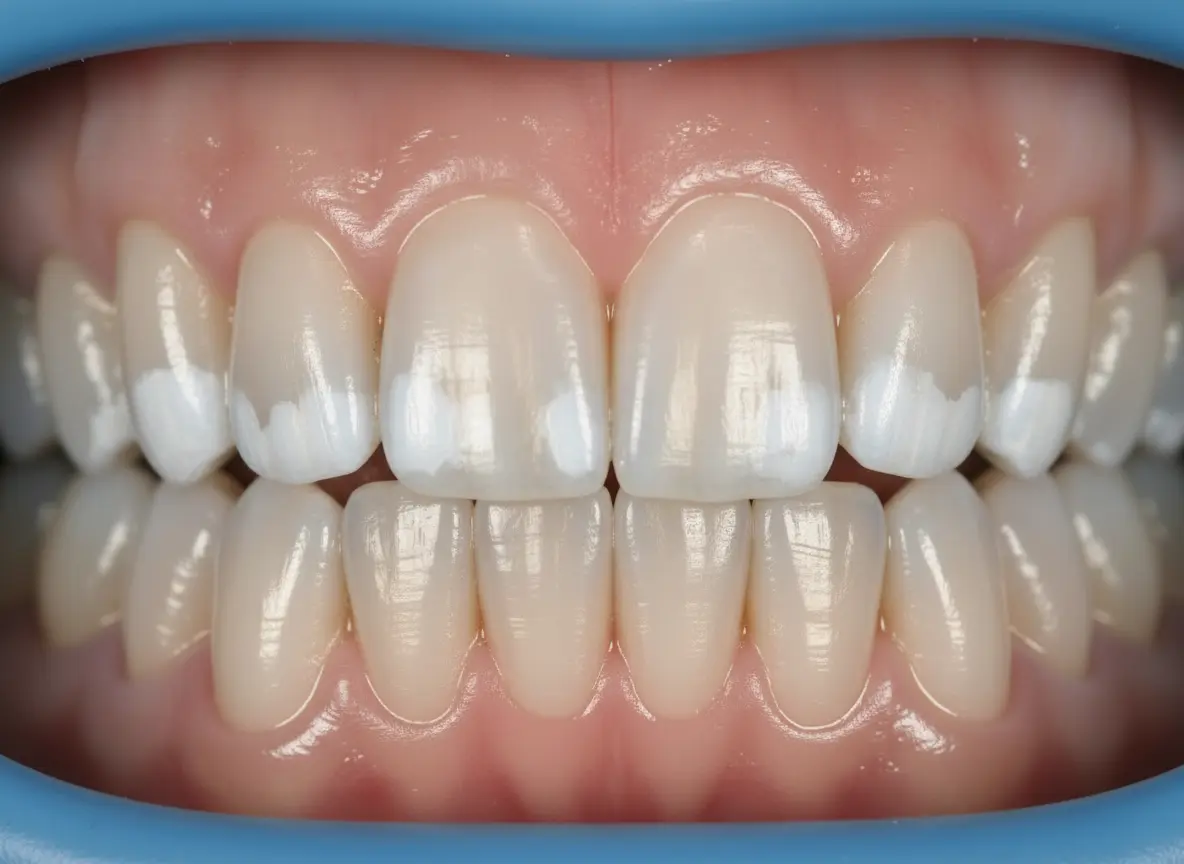
Ever spotted a chalky white smudge on your pearly whites and wondered, “What on earth is that?” White spots on teeth are actually pretty common – a lot of us notice them after a bit too much coffee, braces, or a bout of childhood illness. They usually look like tiny chalky patches or streaks against your normal enamel.
Often they’re just cosmetic, but they can also hint that the enamel (that hard, shiny coat on your teeth) is a bit under the weather. In this guide, I’ll walk you through what these spots are, what causes them, and what you can do about them – all in a laid-back, Aussie style. Stick around and you’ll learn how to keep your smile bright and spot-free.
Imagine your tooth enamel as a tough, shiny fortress. White spots happen when parts of that fortress lose minerals – we dentists call this demineralisation. It’s like little chalk scribbles on your tooth. These spots can range from barely noticeable frosty streaks to more obvious white patches. They can pop up at any age, on baby teeth or adult choppers.
Usually, a small white spot isn’t a dental emergency. Think of it as your enamel whispering for help. Sometimes it’s purely cosmetic – maybe you had a lot of fluoride toothpaste as a kid, or your enamel formed a bit unevenly (we call that enamel hypoplasia).
Other times, those spots can be the earliest clue of decay building under the surface. In fact, Queensland Health points out that small white spots near the gumline are often the first visible sign of a developing cavity. The good news? At that stage, it’s totally possible to reverse the damage with good habits and treatment.
So, the key first step is to figure out why they’re there. Are they from a high-sugar diet, braces, or just too much fluoride as a kid? Let’s break down the usual suspects.
There are a bunch of reasons these chalky patches can show up. Some are about how your teeth developed, and others are about habits or conditions that affect your enamel. Here are the big ones:
Basically, anything that demineralises enamel can leave a white mark. It pays to catch it early, because spot treatment is much easier than fixing a full-blown cavity later on.
Alright, let’s talk about fixes. The good news is modern dentistry offers a whole menu of treatments beyond just “living with it”. Here’s how we tackle those spots:
Remineralisation Therapy: This is the gentle, first-line fix. It uses high-fluoride toothpaste or mouth rinses, and products like calcium-phosphate gels (ever heard of Tooth Mousse?) to pump lost minerals back into enamel. Think of it as a healing salve for your teeth. Done regularly, it can fade mild white spots by rebuilding your enamel. It’s most effective on early spots that aren’t too deep.
Microabrasion: This is a fancy term for a light sanding of the enamel surface. Your dentist applies a gentle acid-abrasive paste that removes a microscopic layer of enamel (about the thickness of a grain of salt). This can wipe away superficial white chalkiness almost instantly. It’s excellent for shallow spots and is pain-free. After microabrasion, the tooth surface is smooth and the white area often disappears or blends in.
Icon Resin Infiltration: I love this modern trick. The dentist etches the enamel to open up tiny pores, then paints on a clear resin. The liquid resin seeps into those pores (where the white spot is) and is then hardened with a light. Voila – it camouflages the spot from within. This is great for the white spots that appear after braces or early decay lesions. No drilling, no pain, just a bit of goo and light magic.
Teeth Whitening (Bleaching): This one depends on the spot. Professional teeth whitening can even out some mild spots by lightening the overall shade of your teeth. But beware: if your spots are much lighter than your natural tooth colour, whitening might actually make them stand out more at first. It’s usually recommended after remineralisation or resin infiltration has done its job, as a finishing touch. Many local Brisbane dentists offer safe, supervised whitening treatments that can boost your confidence too. (If you’re keen on giving it a go, check out local teeth whitening Brisbane services for expert care and top results.)
Bonding or Veneers: For stubborn cases where other methods don’t fully erase the spots, cosmetic options exist. Composite bonding involves applying tooth-coloured resin to mask the spot. It’s like a little resin patch that matches your enamel. Porcelain veneers are thin shells bonded over the front of your teeth. Both are more invasive (they may involve trimming a bit of enamel) and are usually reserved for big spots or for people who want a full smile makeover. Think of them as the heavy artillery when you need a picture-perfect grin.
| Treatment | How It Works | Best For |
|---|---|---|
| Remineralisation | Uses fluoride & minerals (tooth mousse, gels) | Mild early spots; enamel rebuilding |
| Microabrasion | Gently sands off a tiny enamel layer | Superficial white patches |
| Icon Resin Infiltration | Resin flows into enamel pores and hardens | Post-braces white spots; early lesions |
| Whitening | Bleaches tooth colour evenly | Mild spots (best after other treatments) |
| Bonding/Veneers | Covers spot with tooth-coloured resin/porcelain | Large or stubborn spots; cosmetic makeovers |
Every smile is different, so chat with your dentist about the right combo of treatments. Sometimes a short series of fluoride gels, a bit of microabrasion, and a whitening session can do wonders.
Prevention is always easier than fixing spots later. Some simple daily habits can keep those pesky patches at bay:
Brushing & Flossing: The basics never fail. Brush twice a day for two minutes with a fluoride toothpaste. (Fluoride helps remineralise enamel and ward off decay.) If you’re a brace-wearer or have any braces experience, invest in an electric toothbrush or at least a compact head so you can really get around brackets. Don’t skip flossing – plaque loves hiding between teeth. Even a water flosser can help blast plaque away if you have tight spaces or braces. (Fun fact: Brushing after meals and then spitting – without rinsing out all that fluoride paste – gives your enamel a longer stay with fluoride.)
Smart Eating Habits: Your plate (and drinks) have a big say. Cut down on sugary and acidic treats. Sodas, sports drinks, fruit juice, lemony foods, sugary snacks and candies – all these can erode enamel over time. When you do indulge, try to have them with meals rather than grazing all day (eating little and often gives acids less time to attack). After snacking or drinking something acidic, swish plain water around to neutralise pH. Chewing sugar-free gum (with xylitol) after meals can also boost saliva and help remineralise.
Fluoride in Moderation: Fluoride is a friend, but like anything, balance is key. In Australia our tap water has fluoride to strengthen teeth. Just brushing properly with a good toothpaste (1000–1500 ppm fluoride for adults) is usually enough. For kids under 6, use only a pea-sized amount of kids’ fluoride toothpaste and supervise them so they spit, not swallow. Don’t rinse your mouth vigorously after brushing – a little fluoride paste left behind acts like enamel armour. If you have a bit of tooth sensitivity or high decay risk, ask your dentist about prescription fluoride rinses or gels.
Stay Hydrated – Drink Water: A dry mouth is a fast track to enamel trouble. Drink plenty of water throughout the day to keep saliva flowing. Brisbane tap water is fluoridated and fantastic for oral health – aim to sip water, especially if you’ve been munching on snacks. If you snack on something sugary, a quick rinse with water afterward can help wash away leftover sugar.
Regular Dental Check-ups: Don’t wait for pain. Seeing your dentist every 6 to 12 months means those white spots (or the plaque behind them) get caught early. Professional cleans remove stubborn tartar that brushing misses, and your dentist can apply fluoride varnish or sealants if needed. In fact, Queensland Health’s oral health advice stresses regular check-ups and balanced diets to keep decay at bay from the start. If you catch a white spot early, your dentist can usually reverse it before drilling is needed.
Watch Those Health Habits: Keep an eye on things like mouth-breathing and chronic dry mouth. If you snore like a ute or constantly wake with cotton-mouth, chat with your doctor. Treating nasal congestion or allergies (which cause mouth-breathing) helps restore saliva flow. Also, certain meds cause dry mouth – drink extra water or ask your pharmacist about saliva substitutes if needed.
By sticking to these simple tips – think of them like pampering your teeth daily – you can often prevent white spots before they start. Prevention works hand-in-hand with treatment. After all, a little effort in brushing and diet goes a long way to keeping those enamel chalk bits away.
White spots on your teeth aren’t the end of the world and they’re definitely not a fad. They’re clues about your enamel’s history, not permanent doom. With today’s dental know-how (and a bit of Aussie grin-pride), we can usually fix or conceal those chalky patches without a fuss. A touch of fluoride cream, a quick micro-sand, or a whitening boost can put you back on track for a confident smile.
So, don’t stress if you spot a few white specks. Instead, take action: double up on your brushing, tweak your diet, and if needed, book a chat with your dentist. They’ll help guide you through the best treatment mix. And hey, once that job’s done, your smile will thank you – it’s brighter, healthier, and ready for its close-up.
Ready to show off that flawless smile? Keep rocking those oral care habits, and if whitening is on your to-do list, consider professional teeth whitening Brisbane options for a safe, dazzling result. Your friends will notice, and you’ll feel great flashing those pearly whites at the next barbie or Zoom call!
Q: Are white spots on teeth serious?
A: Not usually – most white spots are a sign of early enamel demineralisation or cosmetic enamel changes. They can often be reversed or concealed. However, if the spot is from decay, it needs quick attention before it turns into a cavity. Keep up good oral hygiene and see your dentist to be sure.
Q: Can I get rid of white spots naturally at home?
A: Home care like using fluoride toothpaste, eating a tooth-friendly diet, and even using remineralising products (like fluoride or calcium gels) can help fade early spots. But for stubborn spots, professional treatments (microabrasion, resin infiltration or in-office whitening) are usually needed.
Q: Will teeth whitening make white spots worse?
A: It can, if used alone. Whitening brightens the whole tooth, which may make existing white patches stand out more initially. That’s why dentists often recommend whitening after treatments like remineralisation or resin infiltration. In other words, fix or fill the spot first, then use whitening for an even shade.
Q: How can I prevent white spots in future?
A: The best prevention is strong daily habits: brush twice with fluoride toothpaste, floss daily, drink water instead of sugary drinks, and keep snacking on meals. For kids, use just a smear of fluoride paste and supervise brushing. And don’t forget regular dental visits – your dentist can catch troubles early and even suggest protective sealants for vulnerable teeth.
 27Jul
27Jul
 24Jul
24Jul
 22Jul
22Jul