Burning Tongue Syndrome: Dental Causes You Shouldn’t Ignore
Ever woken up feeling like you actually devoured a barbie before bedtime, even though it was just a toasted sandwich? That’s your tongue on fire...

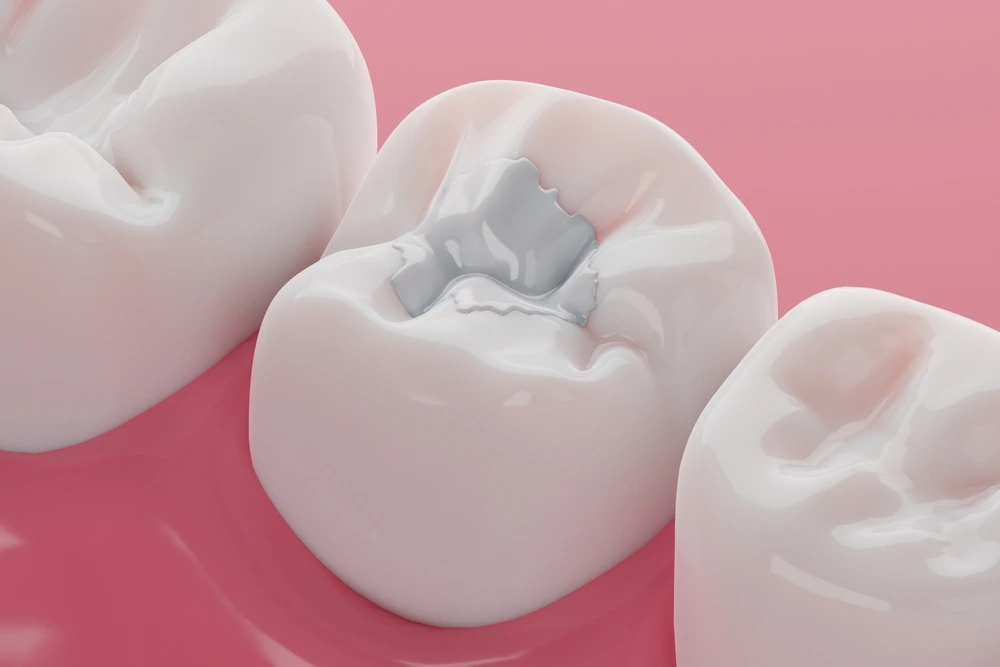
It was just another day in Brisbane – a sneaky meat pie, a bite of popcorn and suddenly you feel a familiar crunch. Uh-oh. You run your tongue over your tooth and discover a gap where a filling used to be. How did this happen? And more importantly, what now? Take a breath and relax.
Lots of Aussies have been there, and there’s good news: with prompt care, you can usually get that filling replaced quickly, often on the very same day. Losing a filling is a dental emergency, yes, but it’s hardly the end of the world.
In fact, by acting fast and knowing the drill, you’ll protect your tooth, avoid pain, and save yourself bigger trouble down the track. Let’s walk through what to do, when to get to the dentist, and how a new filling is done (so you can get back to biting into that lamington).
First things first – don’t panic. I know it’s scary to feel a hole in your tooth, but staying calm helps you think clearly. Quickly rinse your mouth with warm salt water to clean the area. This is gentle – no fierce swishing or mouthwash overkill.
Next, cover the exposed cavity. If you have a temporary filling kit (available at most pharmacies), use that sticky putty to plug the hole following package instructions.
No kit on hand? A small piece of sugar-free chewing gum or orthodontic wax can act as a short-term seal. Press it gently into the gap – it’s not a permanent fix, but it’ll shield the tooth from air, food, and bacteria until you see a dentist.
While you’re at it, watch what you eat and drink. Keep the tooth unused: chew on the opposite side of your mouth, and avoid hot, cold, or sugary stuff that could irritate the exposed nerve.
If you feel any pain or sensitivity, take an over-the-counter painkiller like ibuprofen or paracetamol (always follow the label directions). And resist the urge to play detective with a metal tool or your tongue – poking around might make it worse.
Basically, treat the tooth gently as if it were an open wound. Saltwater rinse, temporary cover, soft foods, and pain relief are the first aid steps you can do right away.
Here’s a quick list of do’s and don’ts after your filling falls out:
So, is a lost filling an emergency? In short, yes – it’s considered an urgent dental issue. In fact, the Queensland Government advises that dental emergencies like this should be treated immediately to save the tooth.
A fallen-out filling exposes the soft inner parts of your tooth to bacteria and decay. Even if you’re not in agony yet, the problem will only get worse with time. Think of it as a leak in a dam – if left untreated, the damage can spread (toothache, infection, or even loss of the tooth).
The good news is that same-day dental appointments are often possible for this situation. In Brisbane, plenty of dentists and emergency clinics prioritise urgent cases. If you’ve lost a filling, call your local dentist straight away and let them know it’s an emergency.
Many practices offer same-day or next-day slots for lost fillings. You could arrange to see a same day dentist in Brisbane for urgent dental care as soon as possible. (A quick tip: mention your location and the details – “lost filling, some sensitivity” – so they can assess urgency.) Even if their schedule looks full, clinics often shuffle appointments for true emergencies.
If it’s after hours and pain is severe or you have facial swelling, head to a hospital emergency department – they can provide temporary pain relief and instructions. But ideally, you should see a dentist.
In Brisbane’s typical case, dentists are open 5-6 days a week, and many have evening or weekend hours for exactly these surprises. The faster you get professional care, the less risk of infection, and the more likely it is you’ll walk out with that filling replaced (instead of just a temporary patch).
When you arrive at the dental clinic, the dentist will first assess the situation. They’ll remove any temporary cover you put in, clean the tooth, and check for decay or fractures. Based on what’s found, there are two main paths:
Either way, your tooth will be protected before you leave. If it’s a simple refill, you’re done. If you need that lab work, you might leave with a sturdy temporary cover.
Did you know not all fillings are the same? Here’s a quick comparison of common filling materials you might encounter in Australia:
| Material | Same-Day Possible? | Pros | Cons |
|---|---|---|---|
| Composite resin | Yes | Tooth-coloured, bonds well, versatile | Slight shrinkage risk, more expensive than silver |
| Amalgam (silver) | Yes | Very durable, cost-effective | Metal look (not cosmetic), can weaken tooth edges |
| Glass ionomer | Yes | Quick set, releases fluoride, cheap | Lower strength (often temporary for kids) |
| Porcelain (ceramic) | No (lab needed) | Highly aesthetic, long-lasting | Expensive, requires two visits (unless CAD/CAM) |
| Gold | No (lab needed) | Very durable, precise fit | Very expensive, obvious gold colour |
Most modern general fillings are composite resin, which your dentist cures with a light right in the chair. That means if you lose a composite filling, the replacement is typically same-day.
Amalgam (a mix of metals) also can be refilled in one visit. Glass ionomer cement is often used for very small cavities or temporary fixes – not very common for big fillings unless it’s a kids’ baby tooth or an emergency interim fix.
The dentist will choose the best material based on where the tooth is, how big the hole is, and your preference (for example, you might insist on white fillings so no one can see it). Just know this: most filling replacements are done in one go.
Getting your filling replaced is pretty straightforward. Here’s what usually happens:
If a crown is needed, steps include taking an impression or digital scan, fabricating a lab crown, and fitting it later. But for one-visit fillings, it’s all done up front, often under local anaesthetic (so you feel no pain during the drilling).
Afterwards, your mouth may still be numb. Wait for the numbness to fade (avoid biting your cheek or tongue!). Your tooth might feel a bit strange – maybe sensitive to cold or slightly tender – but that usually eases in a few days.
Use a soft toothbrush and gentle flossing around the area. And avoid crunching on hard things with that tooth for at least 24 hours to let everything settle.
Nobody loves surprise bills, but knowing what to expect can ease the sting. In Brisbane, the cost of a single-surface composite filling typically ranges around $150–$300 in private clinics. It can be higher for multi-surface fillings.
Amalgam fillings are slightly cheaper, but many dentists these days rarely place new amalgam. If a crown is needed, plan for over $1,000 for a standard porcelain crown in the city.
If you have private health insurance with dental extras, you’ll usually get a rebate (often $60–$150 per filling, depending on the fund and cover level). Even with insurance, you’ll likely pay a “gap” out-of-pocket.
For example, if the dentist’s fee is $300 and your rebate is $100, you pay $200 yourself. Tip: use on-the-spot claiming (HICAPS) if available to instantly reduce your cost.
For those without insurance, ask the dentist for an estimate first. Many clinics in Brisbane offer payment plans or payment on the spot. Remember, leaving a filling out can cost you more later – cavities can get bigger, needing crowns or root canals, which are far pricier. So it’s generally cheaper to fix it promptly than wait.
A word on public dental care: Queensland Health provides free or subsidised dental care to eligible people (children, pensioners, concession card holders, etc.). If you qualify, you might get emergency fillings done at no cost – but keep in mind public clinics usually have longer wait times.
Queensland Health advises that eligible patients who need routine public dental treatment may experience significant waiting times, with general care managed through waiting lists and a target of treatment within two years, while urgent cases receive priority based on clinical need.
Congrats, you got your filling fixed! Now, let’s keep that smile intact. Follow these tips:
If anything doesn’t feel right after the repair (severe pain, swelling, or the filling feels very high even after a week), call the dentist to recheck it. It’s better to fix an issue early.
Losing a filling is annoying, but with quick action, it’s usually solved easily. You’ve learned that it’s important to clean the area, use a temporary cover, and contact a dentist right away. In Brisbane, emergency dental care is available. Modern fillings and dental tech often allow same-day replacement, so you’ll be chewing and smiling normally before you know it.
Keep an eye on that repaired tooth, and treat it gently as it heals. And remember, maintaining good oral hygiene and habits is key to preventing future filling failures. Your teeth deserve the best care, and you deserve peace of mind. If you’ve lost a filling or notice anything odd, book that appointment now and let the pros handle it. Your smile (and wallet) will thank you!
If you or someone you know has had a filling fall out, don’t wait. Book an emergency dental appointment today to get back on track with a healthy, worry-free smile.
What should I do immediately if I lose a filling?
Stay calm and rinse your mouth with warm salt water. Cover the hole with sugar-free gum or temporary filling material from a pharmacy. Avoid chewing on that side and take pain relief if needed. Then, call a dentist as soon as possible for an emergency appointment.
Can a lost filling be replaced in one visit?
In most cases, yes. Dentists can usually remove any decay and insert a new composite (tooth-coloured) or amalgam filling in the same appointment. If the damage is extensive, they might place a temporary filling and schedule a second visit for a permanent crown. But simple filling replacements are typically done on the spot.
Will replacing a filling hurt?
Most likely not, because the dentist will numb the tooth first. You’ll feel a pinch from the injection, but the filling process itself should be pain-free. After the numbness wears off, you might feel some sensitivity, but any discomfort is usually mild and short-lived.
How much will filling replacement cost?
Costs vary. A single-surface composite filling in Brisbane might be roughly $150–$300. Insurance can cover part of it (often $60–$100 rebate). An amalgam filling is a bit cheaper. If a crown is needed instead, expect a higher cost (often $1000+). Always ask your dentist for an estimate before treatment.
 27Jul
27Jul
 24Jul
24Jul
 22Jul
22Jul