How to Become a Dentist in Australia
Your Essential Guide from Brisbane’s Trusted Dental Professionals Becoming a dentist in Australia is a highly respected and rewarding career...

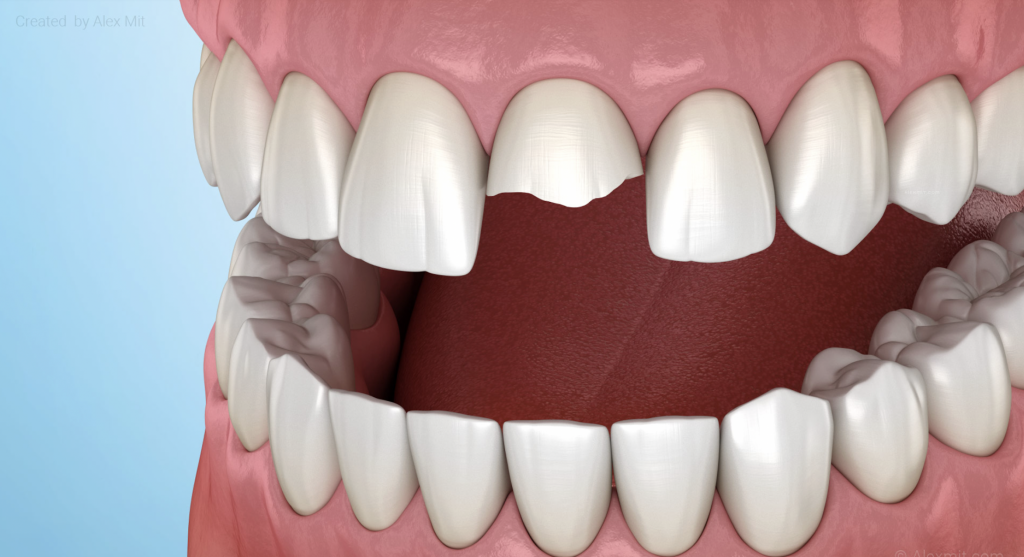
Imagine biting into a crunchy chip only to feel a sharp snap in your jaw – suddenly you’ve got a fractured tooth. It’s a jarring, oww-inducing experience, but don’t panic. Tooth fractures (cracks or breaks in a tooth) are surprisingly common, and Brisbane dentists fix them every day.
In this guide, I’ll walk you through why teeth fracture, how to spot the problem, and what your treatment and recovery might look like (in Aussie terms, of course). By the end, you’ll know exactly what to do – and which pros to call – to keep your smile intact.
A tooth fracture is any crack, chip or break in the hard structure of your tooth. When people first notice this kind of damage, having clear, reliable information becomes important, and resources such as the Best Dentist for Tooth Fractures in Brisbane help explain treatment options and expected outcomes.
Unlike a cavity (caused by decay), a fracture is usually the result of trauma or pressure, think sports, accidents or just chewing on something way too hard. Teeth have several layers (enamel, dentin, pulp), and cracks can stay superficial or run deep.
Each type is like a different level of drama. Even a tiny chip is a warning sign: if ignored, it can grow into a pain- and expense-packed problem. That’s why, no matter how small it seems, a tooth fracture deserves attention.
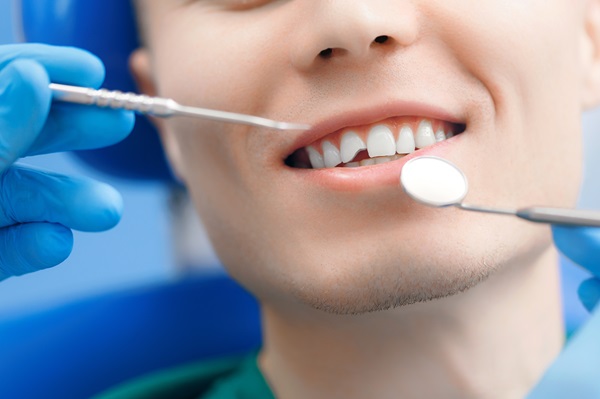
You might wonder how an enamel titan like your tooth can break. Well, life happens – and teeth take the hit. Here are some common culprits behind dental fractures:
Picture, teeth are built tough, but not invincible. Even a thin line can turn into a big break if pressure keeps piling on. The takeaway? Avoid unwise stunts (like using your teeth as bottle openers), wear a mouthguard for contact sports, and get regular check-ups to catch tiny cracks before they grow.
It’s one thing to break your leg and know it immediately – but teeth can be sneaky. Some fractures hurt, some don’t, and some make you notice odd sensations. Keep an eye (and tooth) out for these red flags:
However, here’s a kicker: not all cracks hurt. Smaller craze lines often feel nothing. That’s why it’s worth mentioning any incident (like a fall or bang) to your dentist, even if you “feel fine”. They’ll examine it carefully – sometimes with an X-ray or special dye – to spot hidden splits.
“The minute I chipped my tooth on a yogurt lid, my dentist told me, ‘Even if it’s just a little crack, we’d rather fix it now than deal with a broken tooth later.’ Wise words.”
Not all dental dramas need a 000-level emergency, but many tooth fractures do. If you knock your tooth and it hurts a lot or the nerve (the pink inside) is exposed, that’s an emergency.
Queensland Health (and dentists!) are clear: “If a tooth is chipped, fractured or cracked, seek dental treatment as soon as possible.” (Read more on the Queensland Government’s emergency dental page for official advice.) Waiting can turn a fixable crack into a root canal (or worse) situation.
First aid steps: If the tooth’s only chipped or cracked with a sharp edge, rinse your mouth with warm water and save any broken piece (in a clean container or milk). A cold pack on the outside cheek can reduce swelling. If there’s bleeding, gentle pressure with gauze is good. Take paracetamol or ibuprofen for pain (avoid aspirin on the gums, it can burn). But remember, these are stopgaps – seeing a dentist fast is key.
In Brisbane, most clinics offer emergency appointments, and some hospitals have dental on-call. Many of us have weekend sports injuries, so help is available. Don’t tough it out: even a small split can rapidly worsen with chewing and bacteria. You’re better safe than sorry when it comes to your pearly whites.
Once the dentist has a look, the fix depends on how bad the break is. Here are the common remedies:
Most fixes happen over one or two visits. For example, a crown usually needs a temporary cap first, then a final one a couple weeks later. Fillings and bondings can often be done in a single visit. The dentist might also apply a thin protective liner or “pulp cap” under a filling if the crack is near the nerve, to help it heal.
Table: Treatment Options for Fractured Teeth
| Treatment Option | What it Fixes | Recovery | Typical Cost (Brisbane, AUD) |
|---|---|---|---|
| Polishing & Bonding | Small chip or superficial crack | Same day, minimal | ~$150–$400 |
| White Filling/Inlay | Medium crack not reaching nerve | 1-2 days soreness | ~$200–$600 |
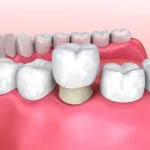
| Dental Crown | Large fracture or cuspal break | 1–2 weeks | ~$1,700–$2,000 |
| Root Canal + Crown | Crack into pulp (nerve injury) | 1–2 weeks | ~$900–$1,500 (for canal) + crown cost |
| Tooth Extraction | Non-salvageable (split/root fracture) | Few days | ~$150–$400 (simple) |
(AUD costs are approximate ranges in Brisbane; private insurance may rebate a portion.)
After treatment, your tooth often feels much better right away (especially if the nerve was involved). Recovery is typically quick:
Key aftercare tips: Keep the area clean – brush gently around the tooth and floss normally (if there’s no stitches). An antibacterial mouthwash can help if recommended. Don’t skip check-up appointments: the dentist will want to see you again to make sure healing is on track and the tooth is functioning well. After all, the goal is a long-term fix, not just a quick patch!
Now to the big question: how much is this going to cost? Dental prices in Brisbane can vary a fair bit depending on the clinic and the complexity of your case, but here are some ballpark figures in AUD for common fracture treatments:
These figures can be offset by private health insurance if you have it. Many Aussie health funds cover a good portion (especially for crowns and root canals) after any waiting periods. Public dental clinics might also help in emergencies if you qualify, but waiting lists exist. It’s worth checking.
In any case, the expense is an investment: leaving a cracked tooth untreated can lead to bigger costs (like full-mouth troubles, infections or even needing implants later).
Of course, an ounce of prevention is worth a pound of cure. Keep those teeth sturdy with a few smart moves:
Tooth fractures might sound dramatic, but with prompt care you can usually get back to full smile-power in a flash. Remember, every second counts – that little crack can grow quietly under pressure. Brisbane has plenty of skilled dentists ready to stitch you up.
If you ever find yourself asking “Why does my tooth hurt only when I bite?” or see a chip, don’t wait. Put that cheeky gossip magazine down and get on the phone to your dentist. As I learned the hard way, fixing it now beats a world of pain (and cost) later.
Stay safe out there, and keep those chompers smiling!
Rinse your mouth with warm water to clean it. If there’s bleeding, gently bite on gauze. Retrieve any broken pieces and keep them in milk or saliva. Use a cold pack on your cheek to reduce swelling and take pain relievers like paracetamol if needed. Then call your dentist or emergency clinic for an appointment as soon as possible.
Unfortunately, no. Unlike a minor cut, a crack won’t “glue” itself back. In fact, if untreated, the crack usually worsens. Food and bacteria seep in and can infect the tooth nerve. Seeing a dentist quickly prevents further damage and preserves as much tooth as possible.
For minor repairs (like smoothing or bonding), most people feel 100% the same day. For crowns or root canals, expect any soreness to last a few days, with complete recovery in about 1–2 weeks. Follow your dentist’s advice on eating and hygiene during this period, and you’ll be back to normal chewing soon.
Costs vary by treatment. Small fillings or bonding might be a few hundred dollars. Crowns typically cost around $1,700–$2,000, and a root canal around $900–$1,500 (not including the crown). Simple extractions are $150–$300. These are private-practice estimates – always get a quote from your dentist. Having dental insurance or splitting payments can make it easier on your wallet.
Yes, if the crack is deep or painful. Any fracture reaching the nerve can quickly lead to infection. If a piece broke off or you have sharp pain on biting, it’s wise to book an emergency dental appointment. The sooner it’s treated, the easier and cheaper the fix. Brisbane has many after-hours clinics, so you don’t have to wait until Monday.